
You walk into a bar in Rome at 3 p.m. and order a cappuccino. The barista raises an eyebrow. The couple next to you pauses mid-sip. Nobody says anything, but you’ve just committed a minor cultural infraction that marks you as a tourist from across the room.
Ordering coffee in Italy is not complicated, but it is specific. The rules are unwritten, strictly followed, and almost never explained to visitors. This guide covers what actually happens at an Italian coffee bar — what to say, when to drink what, and how to avoid paying triple the local price for the same shot of espresso.
This is a travel phrasebook with practical instructions, not legal advice about Italian commercial regulations. For disputes involving consumer rights in Italy, consult an Italian attorney or the European Consumer Centre.
What ‘Un Caffè’ Actually Means in Italy
If you order a “coffee” in Italy, you will not get what you expect. The word caffè means one thing: a single shot of espresso served in a small ceramic cup, about 25-30 ml, with a layer of crema on top. There is no drip coffee. There is no 16-ounce cup. There is no free refill.
The default coffee in Italy costs between €1.00 and €1.50 at the bar counter in most cities. In Venice’s Piazza San Marco, that same espresso can cost €4.50 if you sit at a table. Same drink, different chair.
The Counter vs. The Table
Italian bars have a two-tier pricing system that confuses first-time visitors. You pay one price to stand at the banco (the counter) and a higher price to sit at a tavolo (a table). The difference is not small. A cappuccino that costs €1.20 at the counter might cost €4.00 or more at a table in tourist areas.
The reason is simple: tables take up space, require table service, and imply you’ll linger. The counter is for the Italian way — walk in, order, drink standing up in two or three minutes, leave. Most locals never sit down for coffee unless they’re meeting someone for a long conversation.
If you want the local experience and the local price, stand at the counter. If you need to rest your feet after three hours in the Uffizi, pay the table premium and don’t feel guilty about it. Just know what you’re paying for.
Pay First or Pay After?
The payment system varies by bar and by region. In most of Italy, you order at the counter, the barista makes your coffee, you drink it, and then you pay at the register near the door. In busier tourist bars, especially in Rome and Florence, you’ll often pay first at the cassa (cash register), get a receipt, and hand that receipt to the barista.
Watch what locals do. If they hand over a receipt before ordering, do the same. If they order directly and pay after, follow that pattern. No barista will be offended if you ask “Pago prima o dopo?” (Do I pay first or after?).
When Italians Drink What: A Timing Guide
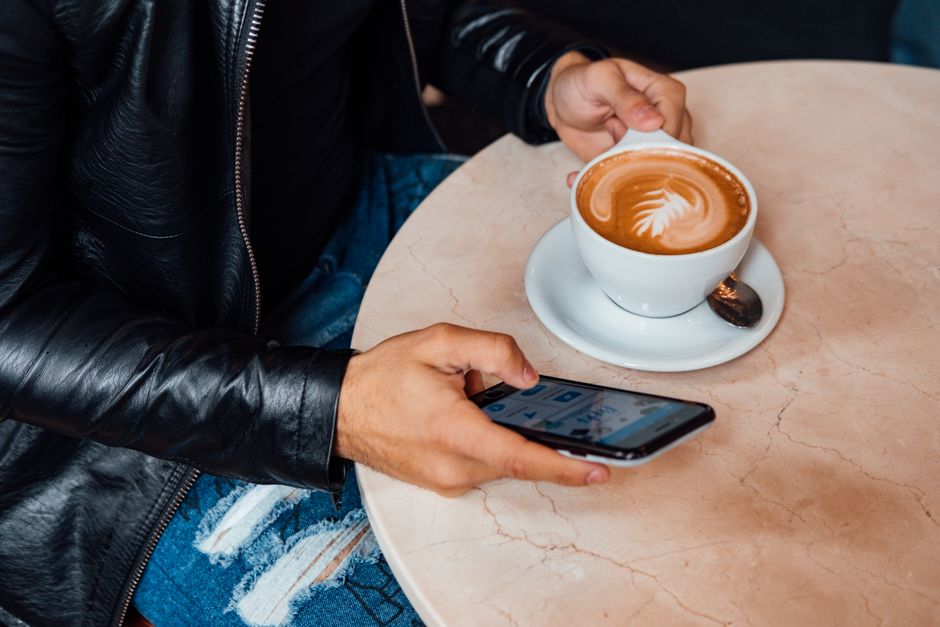
The cappuccino rule is the one every travel blog mentions, and for good reason. Italians drink cappuccino only in the morning, typically before 11 a.m. Ordering one after lunch or dinner is not illegal — nobody will refuse to serve you — but it signals that you didn’t do your homework.
The reasoning is culinary. Italians consider milk-heavy coffee to be a breakfast drink. A cappuccino after a heavy pasta meal is seen as hard on digestion. If you want a coffee after lunch or dinner, order a caffè (espresso). If you want something slightly longer, order a caffè macchiato — an espresso with a small spot of steamed milk.
| Time of Day | What Italians Order | What to Avoid | Typical Price at Counter |
|---|---|---|---|
| Before 11 a.m. | Cappuccino, caffè latte, espresso | Nothing — all coffee is acceptable | €1.20–€1.50 |
| 11 a.m. – 2 p.m. | Espresso, macchiato | Cappuccino (borderline) | €1.00–€1.30 |
| After lunch (2–5 p.m.) | Espresso, caffè corretto | Cappuccino, caffè latte | €1.00–€1.30 |
| After dinner (8 p.m.+) | Espresso, amaro | Cappuccino, any milk-heavy drink | €1.00–€1.50 |
The caffè corretto deserves a mention. It’s an espresso “corrected” with a shot of alcohol — usually grappa, sambuca, or brandy. It’s a working-class tradition most common in northern Italy and most often ordered in the late afternoon or after dinner. If you order one, specify the alcohol: “caffè corretto alla grappa” or “caffè corretto alla sambuca.”
The Phrasebook: What to Say at the Bar
You don’t need fluent Italian to order coffee. You need about eight phrases and the confidence to use them. Here’s the core vocabulary:
- “Un caffè, per favore” — One espresso, please. This is the default order.
- “Un caffè doppio” — A double espresso. Note: this is not the same as two espressi. A doppio uses double the coffee grounds in the same extraction time, producing a stronger, not larger, drink.
- “Un cappuccino, per favore” — One cappuccino. Morning only.
- “Un caffè macchiato” — Espresso with a spot of milk. Good afternoon compromise.
- “Un caffè americano” — Espresso diluted with hot water. The closest thing to American drip coffee, but still not the same.
- “Un caffè decaffeinato” or “un deca” — Decaf espresso. Ordering decaf after dinner is completely normal.
- “Al banco” — At the counter. Say this to confirm you’re not sitting down.
- “Da portare via” — To take away. Useful if you’re rushing to a train.
One phrase you should not use: “I’ll have a latte.” In Italian, latte means milk. If you order a latte, you will receive a glass of milk. The drink you want is a caffè latte, which is espresso with warm milk, served in a tall glass or large cup, and also considered a morning drink.
If someone asks “Vuole qualcos’altro?” (Do you want anything else?), the answer “No, grazie” ends the transaction. That’s it. No small talk required.
Regional Differences That Actually Matter
Italy has twenty regions and roughly twenty regional coffee cultures. The differences are real, but for a traveler, three matter most.
In Naples and the south, coffee is darker roasted, served hotter, and often accompanied by a glass of water. The water is free and meant to be drunk before the coffee to cleanse the palate. If you see a small glass of water next to your espresso, drink it first. In Naples, there’s also the tradition of caffè sospeso — a “suspended coffee” you pay for in advance that gets given to someone who can’t afford one. You can participate by telling the cashier “caffè sospeso” and paying for two.
In Milan and the north, coffee culture is faster and more businesslike. The espresso is lighter roasted. Bars are crowded at 8 a.m. and again at 4 p.m. The cappuccino here is often artier than in the south — expect latte art in Milan, none in Naples.
In Trieste, the port city near Slovenia, coffee vocabulary changes entirely. A nero is an espresso. A capo is an espresso with a small amount of milk, similar to a macchiato. A capo in b is served in a glass. If you’re in Trieste and order a “caffè,” the barista might ask “nero?” — just say yes.
Knowing these regional quirks won’t just help you order correctly. It signals to the barista that you’re not a generic tourist. In a country where coffee is a point of pride, that small signal changes how you’re treated.
Common Mistakes That Cost You Money or Respect
Most coffee mistakes in Italy fall into three categories: ordering the wrong drink at the wrong time, paying more than necessary, or misunderstanding the social script.
The first mistake is the post-lunch cappuccino. It won’t get you kicked out, but it will get you a look. The second mistake is sitting down without checking the price difference. In Rome’s Piazza Navona, a cappuccino at a table can cost €6.00. At the bar inside the same café, it costs €1.50. That €4.50 difference is the price of not reading the menu posted outside.
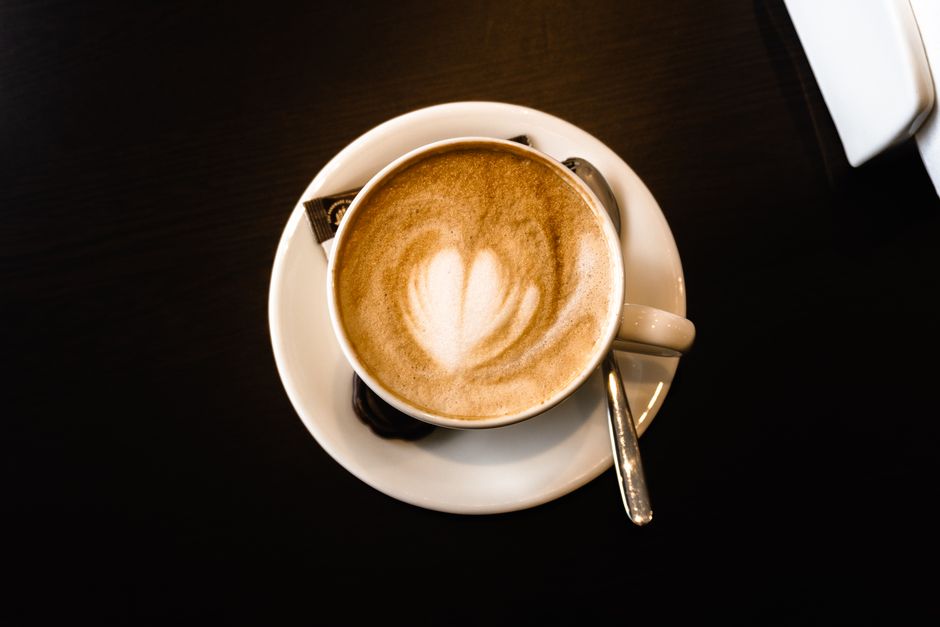
The third mistake is lingering at the counter. Italian coffee bars are not workspaces. You order, you drink, you leave. Standing at the counter scrolling your phone for twenty minutes blocks the flow and irritates the barista. If you want to sit and read, pay for a table. If you want to stand, drink your coffee in under five minutes.
One more thing: don’t ask for modifications that don’t exist. There is no oat milk at most traditional Italian bars. There is no vanilla syrup. There is no iced latte on the summer menu at a neighborhood bar in Bologna — though you’ll find caffè shakerato, a shaken iced espresso with sugar, in many bars during summer months. If you order a caffè shakerato, expect it sweet unless you specify “senza zucchero” (without sugar).
The most common pricing trap is the tourist-menu café attached to a major monument. These places charge table service fees, add a “coperto” (cover charge), and serve mediocre coffee. Walk two blocks in any direction and you’ll find a bar serving better espresso at half the price. The rule: if the café has a direct view of the Colosseum, the Duomo, or the Grand Canal, you’re paying for the view, not the coffee.
For travelers who want to practice ordering before arrival, language apps like Babbel and Pimsleur include coffee-ordering scenarios in their Italian courses. A basic Italian phrasebook on your phone — Google Translate’s offline Italian pack works fine — removes the anxiety of those first few bar interactions. None of these are necessary, but they help if you’re the type who freezes when speaking a foreign language out loud.
The espresso you order at a bar in Italy is not a luxury product. It’s a daily ritual priced for daily use. Treat it that way and you’ll blend in.