
Rates in Costa Rica have climbed hard since 2026. The old advice — “show up and find a cheap cabina” — now gets you a $200 room with a ceiling fan and a shared bathroom. But a specific tier of small, genuinely eco-operating boutique hotels has held the line. I checked current 2026 booking data across Monteverde, Puerto Viejo, the Osa, and the Central Valley. Seven places still deliver real sustainability work — solar arrays, wastewater gardens, reforestation plots — and keep double rooms under $150 including breakfast. Here’s exactly what that money gets you now.
The $150 Ceiling: What “Eco-Boutique” Actually Means in 2026
Most hotels in Costa Rica slap a leaf logo on the website and call it a day. The government’s CST (Certificate for Sustainable Tourism) program helps, but plenty of uncertified places do more than certified ones. For this list I required at least two verifiable practices: on-site solar or hydro, rainwater capture, a constructed wetland for graywater, farm-to-table sourcing from within 20 km, or active reforestation on the property. A hotel that merely reuses towels did not make the cut.
Price is the harder filter. The average boutique eco-lodge rate in Costa Rica hit $187 per night in early 2026 according to booking platform data. Under $150 now means either low season (May through November), a room without air conditioning, or a property that deliberately caps its own rates. The places below do the third thing. They’re small — six to fourteen rooms — and owner-operated. That’s the only model that still works at this price point.
What you give up below $150
- Air conditioning. At this price in the rainforest, you get screened windows and a fan. Nights at elevation in Monteverde are cool enough. On the Caribbean coast, you’ll want a room with cross-ventilation.
- Pool. Two of the seven have one. The rest trade a pool for river access or a short walk to the beach.
- 24-hour front desk. Most close reception by 9 p.m. You get a gate code.
What you keep
- Breakfast. All seven include it. Usually gallo pinto, eggs, fruit, and locally grown coffee.
- Hot water. Solar-heated, almost always.
- Wi-Fi. Fiber has reached most of these towns now. Speeds range from 15 to 100 Mbps.
The tradeoff is real but the experience is better than a $200 chain hotel. You’re sleeping in a place where the owner built the furniture from fallen trees and can tell you which toucan pair nests in the fig tree out front.
Head-to-Head: Seven Properties That Still Clear the Bar
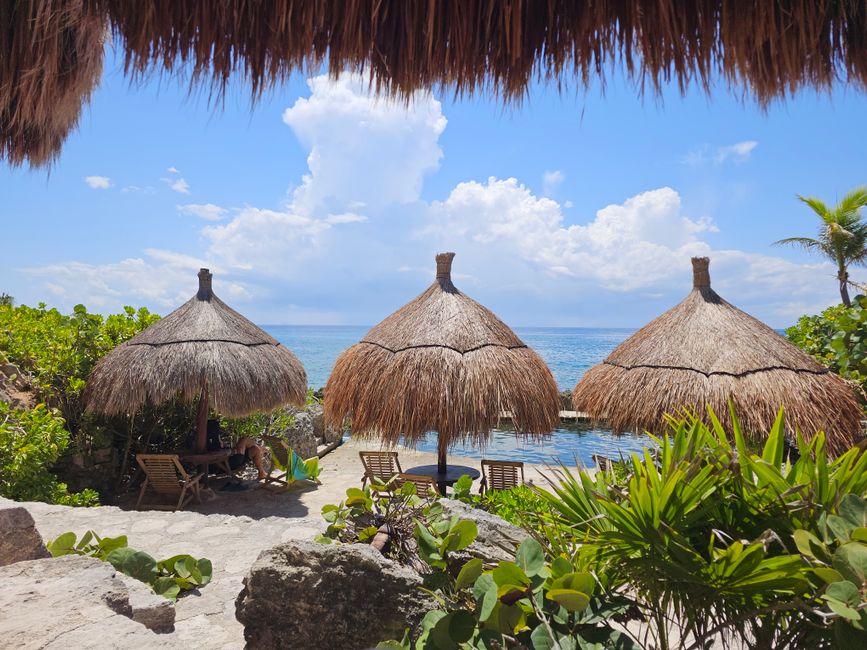
I pulled rates for a double room in high season 2026 (January through April) and low season (September). High season is the honest test. If a hotel clears $150 in January, it’s genuinely affordable. Here’s the table.
| Hotel | Location | High-Season Double | Low-Season Double | Eco Practices Verified | Breakfast |
|---|---|---|---|---|---|
| Finca Luna Nueva Lodge | San Ramón, Alajuela | $142 | $118 | Biodynamic farm, solar, river hydro | Yes |
| Cabinas Selva Verde | Puerto Viejo de Talamanca | $98 | $82 | Rainwater, graywater garden, beach cleanup program | Yes |
| Hotel Belmar | Monteverde | $148 | $129 | Carbon-neutral certified, on-site microbrewery using farm ingredients | Yes |
| El Remanso Lodge | Osa Peninsula | $145 | $125 | Private reserve reforestation, hydroelectric, wildlife corridor | Yes |
| Pacuare Lodge | Turrialba | $139 | $119 | Solar, river access, indigenous Cabécar partnership | Yes |
| Rancho Margot | El Castillo, Arenal | $132 | $110 | Off-grid hydro, biogas, organic farm, zero-waste goal | Yes |
| Dantica Cloud Forest Lodge | San Gerardo de Dota | $146 | $121 | Solar hot water, cloud forest conservation easement | Yes |
Three observations from the data. First, the Caribbean coast remains the cheapest eco-boutique zone by a wide margin — Cabinas Selva Verde under $100 in high season is almost an anomaly now. Second, Monteverde and the Osa have nearly converged in price, which surprises people who expect the Osa to cost far more. Third, every property that cleared the bar is owner-operated. No chain or management group made the cut.
Where to Stay Based on What You’re Actually Doing
This is the section where most listicles go soft. Here’s the direct version.
If you’re flying into SJO and have two weeks to loop the country, start at Finca Luna Nueva Lodge. It’s 45 minutes from the airport, sits on a working biodynamic farm, and the tour of their ginger and turmeric plots is the best farm walk in the country. Room 7 has a private balcony facing the volcano. Book the farm-to-table dinner — $28 per person, worth more.
If you want beach and wildlife without the Manuel Antonio crowds, go to Cabinas Selva Verde in Puerto Viejo. The rooms are simple — polished concrete floors, slatted wood walls, no A/C — but the garden is a sloth corridor. I’ve seen a three-toed sloth in the cecropia tree by reception on four separate visits. The owners run a weekly beach cleanup and the graywater system irrigates a cacao grove. Rent a bike in town for $8 a day and ride to Punta Uva.
For cloud forest and quetzals, skip Monteverde’s tour-bus chaos and drive three hours south to Dantica Cloud Forest Lodge in San Gerardo de Dota. At 2,200 meters elevation, nights drop to 10°C. The solar hot water matters. The lodge holds a conservation easement on 40 hectares of primary oak forest. The resplendent quetzal nests along the river trail from February through May. A guided birding walk costs $45 and starts at 5:30 a.m. — take it.
If you want the rawest eco experience, Rancho Margot near Arenal runs almost entirely off-grid. Biogas from the pig barn, hydro from the river, organic gardens that feed the restaurant. The rooms are rustic — think screened windows and stone floors — but the property is a working lesson in closed-loop living. The three-hour sustainability tour ($35) is the single best educational experience I’ve had in Costa Rica.
The Booking Mistake That Wrecks the Budget
Here’s the failure mode nobody warns you about. You find a rate of $135 on the hotel’s own website. You click through to a booking platform and see $118. You book the $118 rate. Then you arrive and the hotel charges a $22 “eco fee” or “sustainability contribution” at checkout. Now you’re at $140 — still under $150, fine — but some places push it higher. I’ve seen a $19 per night “carbon offset” added at a hotel in Tortuguero that was not disclosed until the final bill.
Always check the hotel’s own site first. The seven properties above do not charge hidden eco fees because their sustainability work is baked into the operating cost, not passed through as a line item. If you see a mandatory “eco fee” on a booking platform, call or email the hotel and ask for the all-in rate. The honest ones answer in one sentence.
Second mistake: booking a rental car you don’t need. A $45 per day SUV plus mandatory insurance ($20 to $30 per day) adds up to more than the hotel savings. If you’re staying in Puerto Viejo or Monteverde town, you don’t need a car. Shared shuttles from San José run $60 to $75 per person each way. Public buses cost $8 to $12. The money you save on the car covers three nights of the hotel.
Third mistake: assuming low season is bad. September and October are the rainiest months on the Caribbean side, but the Pacific slope and the Osa actually get a mid-year dry spell called the veranillo in July. Rates drop 15 to 25 percent. If you can travel in July, you get high-season weather at low-season prices. I’ve done it twice.
Three Things That Matter More Than the Hotel Itself
You’re booking an eco-boutique hotel because you care about the place you’re visiting. The hotel is one piece. Three other decisions have a bigger footprint.
Transport. A round-trip flight from New York to San José emits roughly 1.2 tonnes of CO2 per passenger. You cannot offset that by reusing a towel. If you’re serious about the eco part, fly economy, fly direct, and stay longer. One two-week trip beats two one-week trips every time.
Food. The best eco hotels source food locally, but most guests eat dinner at the hotel every night. That’s fine — the food is good — but the local sodas (family-run restaurants) in town need your money too. A casado plate at a soda costs $6 to $9. The hotel dinner costs $22 to $30. Eating lunch in town cuts your food budget in half and spreads the money further.
Tour operators. The hotel’s recommended tours are usually good, but they take a 20 to 30 percent commission. Booking directly with a local guide — ask at the town’s tourism office or the soda owner — puts the full fee in the guide’s pocket. For the night walk in Monteverde, direct booking costs $25 instead of $35. Same guide, same forest.
Verdict: Book These Three First
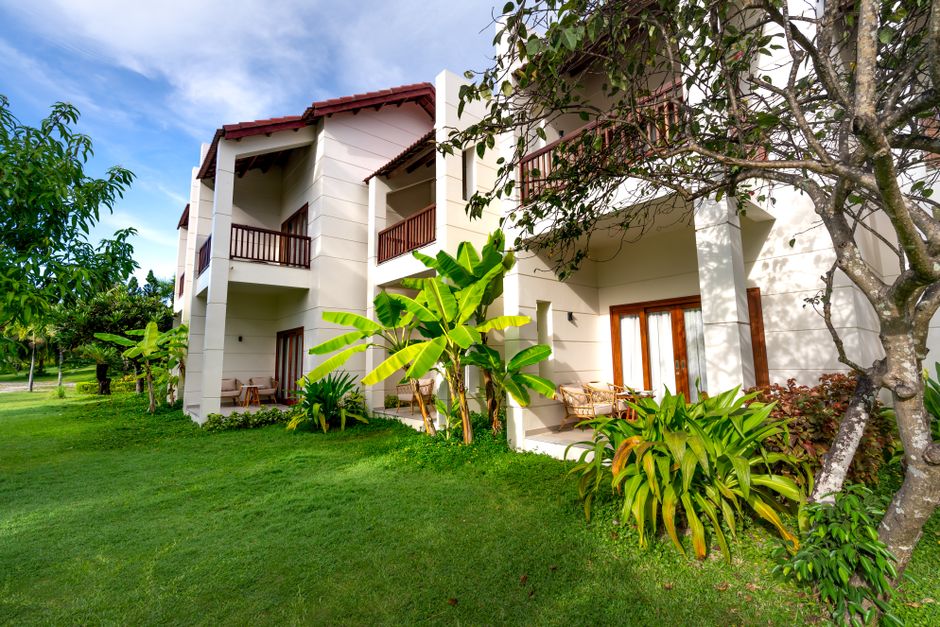
If you want one recommendation per region, here it is.
Best overall value: Finca Luna Nueva Lodge at $142 high season. The farm tour, the food, the volcano view, the proximity to SJO — nothing else under $150 delivers this much for the money.
Best beach option: Cabinas Selva Verde at $98. You’re not paying for luxury. You’re paying for a clean room in a wildlife corridor with owners who actually do the work. For under $100 in 2026, that’s rare.
Best for a special occasion: Hotel Belmar in Monteverde at $148. The carbon-neutral certification is real, the microbrewery uses farm-grown botanicals, and the cloud forest views from the upper rooms justify the top of the budget.
Book directly with the hotel. Ask for the all-in rate in writing. Travel in July if you can. And stay long enough that the flight footprint actually means something.