
Inflation hit Europe hard. Coffee in Paris now runs €4. A dorm bed in Amsterdam can cost €45. Most travel blogs quietly retired their “Europe for $50 a day” guides because they stopped being true. I kept mine. The method changed, but the number still holds — if you pick your cities correctly and stop pretending Western capitals are budget destinations.
This is not legal advice about anything. It’s a budget breakdown based on actual 2026 prices from booking platforms, transit operators, and my own receipts from a six-week trip through Portugal, Poland, Hungary, and the Czech Republic.
The Real Daily Budget Breakdown
Most budget guides lie by omission. They list accommodation, food, and transport but forget ATM fees, laundry, SIM cards, and the occasional museum ticket. Here’s what a genuine €46 (about $50) day looks like in Krakow or Porto in 2026:
| Category | Cost (EUR) | Cost (USD) | Notes |
|---|---|---|---|
| Hostel dorm bed | €14–18 | $15–20 | 8–10 bed mixed dorm, booked 2 weeks out |
| Groceries + 1 cheap meal | €10–12 | $11–13 | Breakfast from Lidl, lunch from a milk bar or bakery |
| Local transport | €2–4 | $2–4.50 | 24-hour tram/bus ticket or walking |
| One paid activity | €4–8 | $4.50–9 | Museum, walking tour tip, or thermal bath entry |
| Buffer (laundry, SIM, ATM fees) | €3–5 | $3.50–5.50 | Averaged across the week |
| Total | €40–47 | $44–52 | Realistic, not aspirational |
The buffer category is where most budgets collapse. A single €12 hostel laundry load and a €10 eSIM from Airalo eat into three days of margin. Plan for them or they’ll plan for you.
Why the $50 Number Still Works in 2026
Because of geography, not magic. The eurozone’s eastern edge — Poland, Hungary, Czech Republic — and southern Portugal still price daily life far below Amsterdam, Copenhagen, or Zurich. The method is city selection first, frugality second. You cannot frugality your way through Reykjavik on $50 a day. You can live well in Porto.
City Selection Is the Entire Game
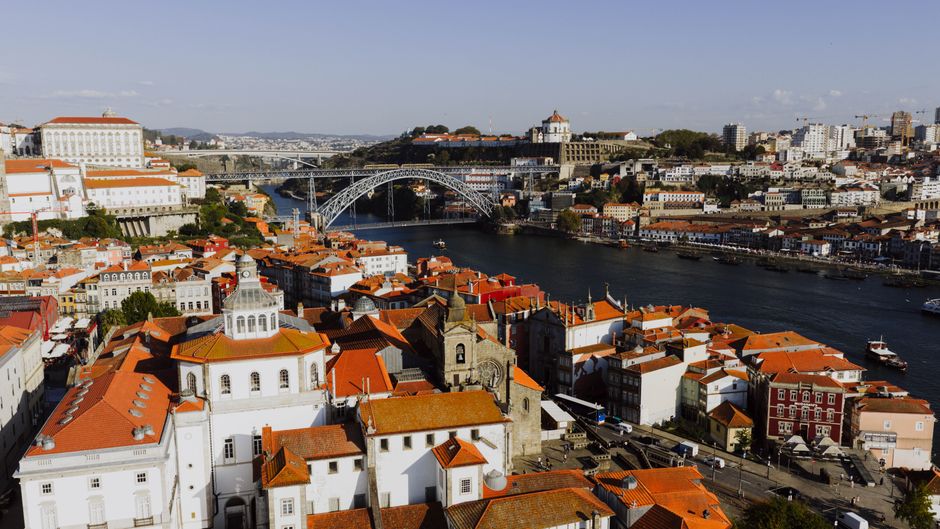
This is the mistake most budget travelers make: they pick cities from Instagram, then try to force a $50 budget onto them. Wrong order. Pick cities where $50 is a comfortable local salary, not a stretch. Then the budget takes care of itself.
The 2026 shortlist for under $50 a day:
- Krakow, Poland: Dorm beds from €12, pierogi plates for €5, 24-hour tram ticket €3. The best all-around budget city in Europe right now.
- Porto, Portugal: Dorm beds from €14, francesinha sandwich €8 (feeds two), port tasting from €5. Cheaper than Lisbon by 20–30%.
- Budapest, Hungary: Dorm beds from €13, thermal bath entry €15 (splurge day), ruin bar beer €2.50. The Széchenyi bath is the one activity worth blowing the daily buffer on.
- Prague, Czech Republic: Dorm beds from €15, trdelník €3, public transport €1.50 per ride. Slightly pricier than Krakow but still under the line.
- Sofia, Bulgaria: Dorm beds from €9, banitsa breakfast €1.50, metro €0.80. The cheapest capital in the EU. Flights from Western Europe on Wizz Air often cost less than a dinner in Paris.
When NOT to Attempt This Budget
Skip the $50 target entirely if you’re traveling in July and August. Hostel prices in Prague and Budapest jump 40–60% during peak season. A €15 dorm bed in March becomes €24 in August. Shoulder season — April, May, September, October — is the actual budget window. If you’re locked into summer dates, either raise the budget to $70 or shift to smaller university towns like Brno, Czech Republic or Olomouc, where student housing keeps prices low year-round.
Transportation Without the Eurail Tax
Eurail passes are a trap for budget travelers. The 2026 Global Pass starts at €283 for four travel days. That’s €70 per travel day before you’ve paid for a single reservation fee on high-speed routes. For a $50 daily budget, intercity transport must cost €10–20 per trip, not €70.
Here’s what actually works in 2026:
- FlixBus remains the budget backbone. Krakow to Prague runs €12–18, 6 hours. Prague to Budapest €15–22, 7 hours. Book 2–3 weeks out for the lowest fares. The buses have Wi-Fi, USB ports, and are cleaner than you expect.
- BlaBlaCar rideshares fill the gaps where buses are slow. A Krakow to Zakopane ride costs €5. Drivers are rated, and the app handles payment. It’s the cheapest way to reach smaller towns.
- Ryanair and Wizz Air still run €9.99–19.99 base fares if you fly midweek with a small backpack. The catch: always check the total with baggage. A €15 fare becomes €60 with a cabin bag on Wizz Air. Fly with just a personal item or don’t fly.
- Local trains win for day trips. A Krakow to Wieliczka Salt Mine train ticket costs €1.20 each way. The same trip by tourist shuttle costs €15. Learn the local operator — in Poland it’s Polregio, in Czech Republic it’s České dráhy.
One more thing: book directly on the operator’s website. FlixBus and Ryanair both charge service fees on third-party booking platforms. The savings from direct booking add up to one free hostel night per week.
Hostel Strategy: The Difference Between a Bed and a Nightmare
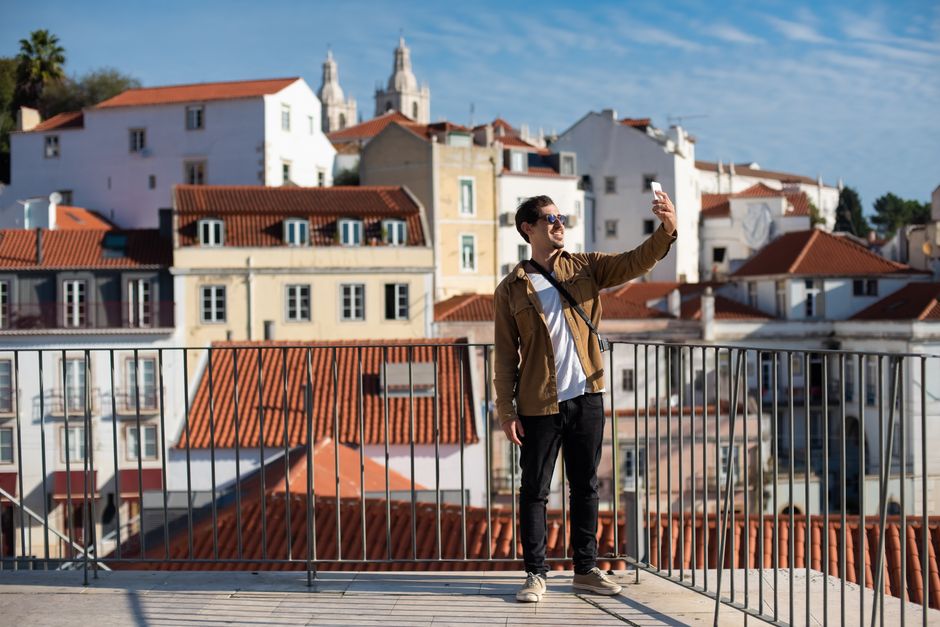
At $50 a day, accommodation is 30–40% of your budget. You cannot afford private rooms. You can afford a good dorm bed if you know what to look for. The difference between a €12 bed and a €18 bed is often the difference between sleeping and not sleeping.
What to filter for on Hostelworld in 2026:
- Rating above 8.5. Below that, you’re gambling with bedbugs, broken locks, or a party crowd when you need sleep.
- Curtains on bunks. Hostels that install privacy curtains also tend to maintain cleaner bathrooms. It’s a proxy for management quality.
- Kitchen access. A hostel kitchen saves €8–10 per day. You can cook pasta, store breakfast yogurt, and make coffee. The best budget hostels in Krakow — like Greg & Tom Beer House Hostel or Mosquito Hostel — have full kitchens and free breakfast.
- Lockers in the room. Not in the hallway. In the room. Bring your own padlock.
Specific Picks for 2026
In Krakow, Greg & Tom Beer House Hostel (€13–16 per night) includes a hot breakfast and dinner. That’s two meals covered in the bed price. In Porto, Gallery Hostel (€16–19) has a garden, free walking tour, and one of the best hostel kitchens in Europe. In Budapest, Maverick City Lodge (€14–18) sits on Kazinczy Street, a two-minute walk from Szimpla Kert ruin bar, and its dorm beds have thick mattresses and individual reading lights.
Avoid any hostel that markets itself primarily as a “party hostel” unless you plan to drink through your budget. The free pub crawl costs you €30 in drinks by midnight.
The Money Logistics Nobody Explains
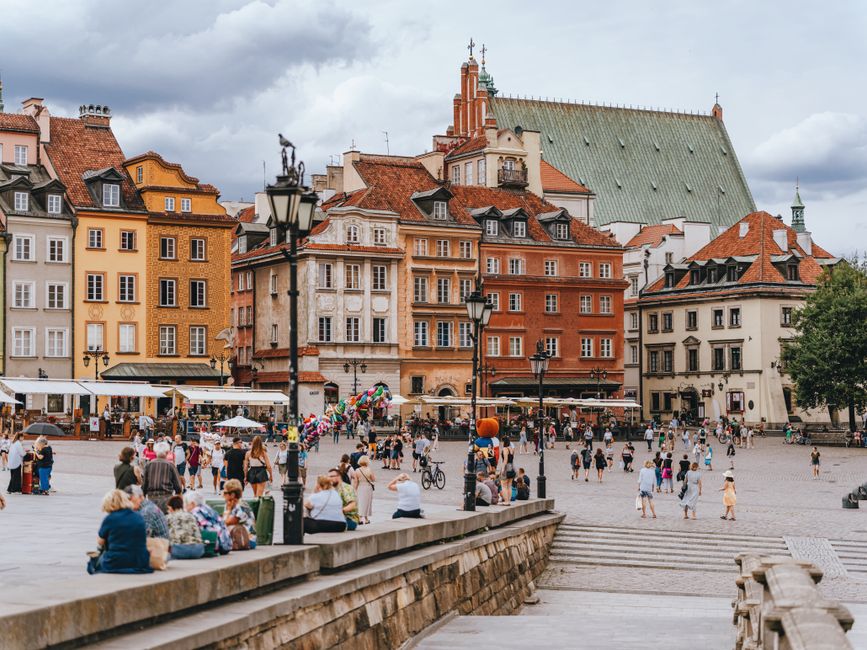
You can budget perfectly and still lose $50 a week to bad money habits. ATM fees, dynamic currency conversion, and card surcharges are the silent budget killers. Here’s the setup that works in 2026.
Open a Wise or Revolut account before you leave. Both offer mid-market exchange rates and fee-free ATM withdrawals up to a monthly limit — Revolut’s free plan allows €200 per month, Wise allows €200 per month equivalent. After that, fees apply. Withdraw cash in local currency only. When the ATM asks if you want to be charged in your home currency, decline. That’s dynamic currency conversion, and it costs 3–7% on every transaction.
For phone data, skip the airport SIM kiosks. An eSIM from Airalo or Holafly costs €5–15 for 1–5GB across Europe and activates before you land. The airport SIM in Krakow costs €10 for less data and requires passport registration. Not worth the hassle.
One final note on the $50 number: it works because you’re paying attention. The moment you stop checking prices, the moment you take a taxi instead of the tram, the moment you buy a €6 latte at a tourist square — the budget breaks. This isn’t a vacation budget. It’s a travel method.