
You’re standing in your kitchen at 2 a.m., staring at a flight confirmation email. Heart rate up. Palms damp. The thought loop starts: What if I get lost? What if I can’t read anything? What if I’m just lonely for two weeks?
That was me. March 2026. First solo international trip. Japan.
I almost canceled. Twice. The second time, I had the airline’s refund page open in one tab and a YouTube video of someone eating ramen alone in a Tokyo alley in the other. The ramen won.
Here’s what I learned: solo travel anxiety isn’t a personality flaw. It’s a planning gap. Japan happens to be the single best place on earth to close that gap fast. This article breaks down exactly what triggered my anxiety, what actually helped, and what I’d do differently.
What Solo Travel Anxiety Actually Is
Let’s stop treating this as vague “nervousness.” Solo travel anxiety is a specific fear of uncontrolled variables. You’re not afraid of Japan. You’re afraid of the moment between landing and understanding. The gap where you don’t know the language, don’t know the train system, don’t know if you’ll find food, don’t know if you’ll feel safe.
That gap is real. But it’s also measurable and shrinkable.
For me, the anxiety broke into three buckets:
- Navigation fear: Getting lost, missing trains, not reading signs.
- Social fear: Eating alone, looking stupid, not being able to ask for help.
- Safety fear: What if something goes wrong and I have no backup?
Japan systematically eliminates all three. Not because it’s magic. Because its infrastructure was built for precision, and precision is the enemy of anxiety. You just have to know which tools to plug into it.
The Exact Moment the Anxiety Switched Off
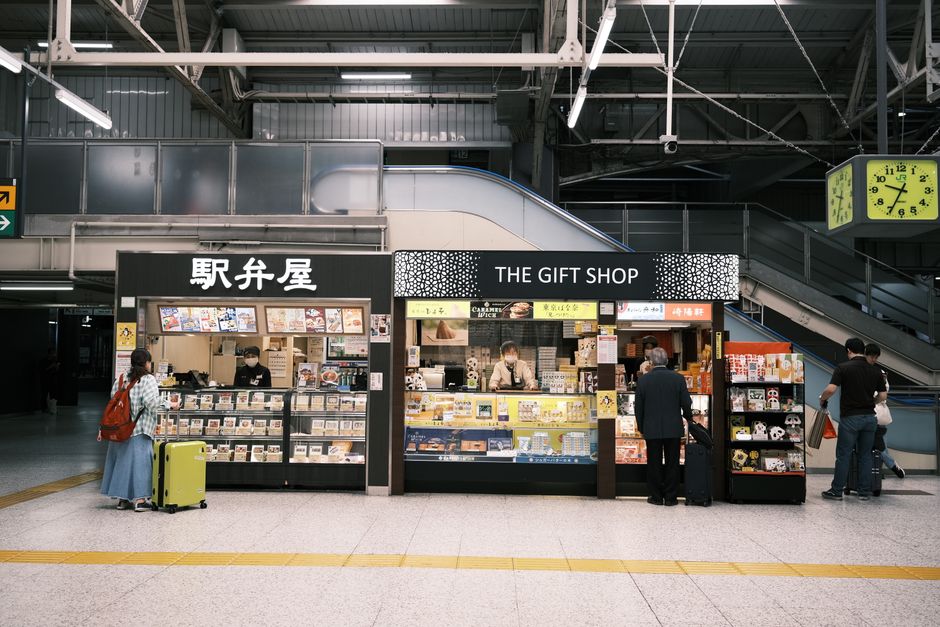
It wasn’t at a temple. It wasn’t at a sushi counter. It was on the Narita Express from Narita Airport to Tokyo Station. I’d booked the ticket online before leaving. The seat was assigned. The train arrived exactly on time. The announcement was in Japanese and English. The overhead display showed the next stop in kanji, romaji, and English. I sat there with my backpack and thought: I can do this.
That’s the whole game. One successful transfer. One system that works exactly as advertised. Anxiety collapses after that because your brain gets proof.
Here’s the thing nobody tells you: Japan rewards preparation more than any destination I’ve ever visited. Every system has a clear input and output. You buy a Suica card, you tap it, you walk through. You reserve a seat, you get a seat. You book a pocket WiFi, you have internet. The country runs on predictable loops. For an anxious brain, that’s medicine.
Three Tools That Did the Heavy Lifting
I’m not going to tell you to “just relax” or “trust the journey.” That’s useless. Here’s what actually worked, with real product names.
Japan Wireless Pocket WiFi
I rented the Japan Wireless Pocket WiFi Premium ($68 for 14 days, unlimited data). Picked it up at the Narita Airport post office. Took four minutes. This single device removed 80% of my navigation anxiety because Google Maps worked everywhere, instantly. No SIM card swapping. No dead zones in subway stations. The battery lasted about 9 hours, so I carried an Anker PowerCore 10000 ($25) as backup.
Google Maps + Japan Official Travel App
Google Maps in Tokyo is absurdly good. It tells you which exit to take, which platform to stand on, and which car to board for the fastest transfer. I paired it with the Japan Official Travel App for train schedules and platform numbers. Between the two, I never once got on a wrong train in 14 days. That’s not luck. That’s infrastructure.
Suica Card on iPhone
I added a Suica card directly to my Apple Wallet before leaving. Loaded ¥5,000. Tapped my phone at every gate. No ticket machines. No fumbling with coins. If you have an iPhone, do this before your flight. It works at convenience stores, vending machines, and even some restaurants. For an anxious traveler, not having to interact with a ticket machine while people wait behind you is worth more than any guidebook.
These three tools cost less than $100 combined and removed the majority of my trip anxiety before I even left the airport.
Where the Anxiety Still Showed Up
I want to be honest here. Japan doesn’t delete anxiety. It just moves it to different rooms.
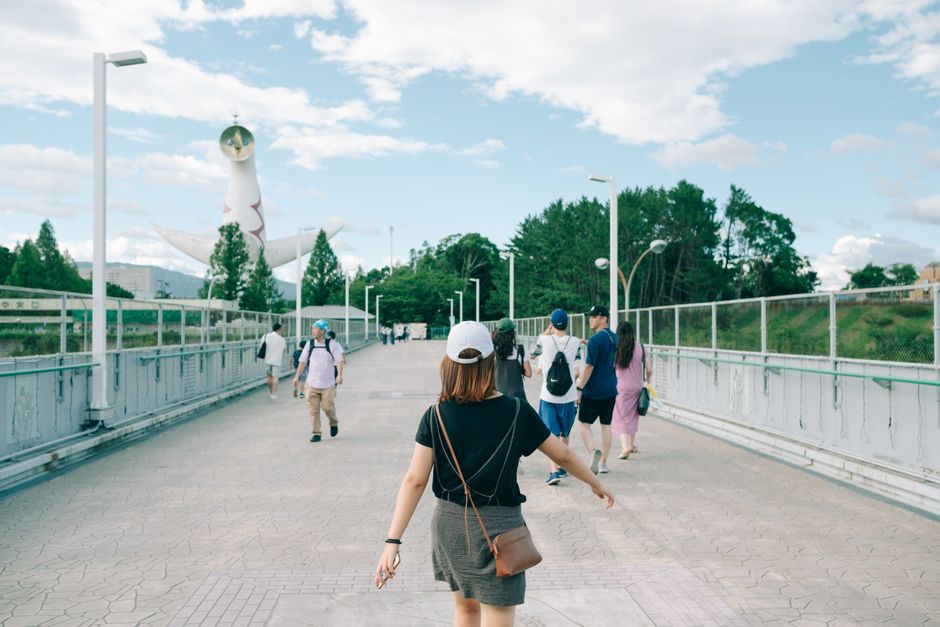
My biggest spike came at a tiny ramen shop in Shinjuku. Ticket machine only, Japanese only, no pictures. I stood there for 30 seconds feeling like everyone was watching. Then the guy behind me stepped forward, pointed at the top button, and said “tonkotsu.” I pressed it. He nodded. That was it.
The lesson: preparation reduces anxiety, but small human interactions finish the job. You can’t pre-plan every moment. At some point, you have to trust that people are mostly decent. In Japan, they are. The social anxiety I packed from home was heavier than anything I encountered there.
A 14-Day Anxiety-Reducing Itinerary
Here’s the exact route I took. It’s structured to front-load the easiest, most predictable cities and gradually add complexity as your confidence builds.
| Day | Location | Why It Works for Anxiety | Key Tool |
|---|---|---|---|
| 1-4 | Tokyo | English signage everywhere, dense transit, endless convenience stores | Suica, Google Maps |
| 5-7 | Kyoto | Slower pace, bus system is simple, temples have clear paths | Kyoto City Bus One-Day Pass ($5) |
| 8-9 | Osaka | Smaller, friendlier, food culture is casual and walk-in friendly | Osaka Amazing Pass |
| 10-11 | Hakone | One loop route, hard to get lost, ryokan experience is structured | Hakone Free Pass |
| 12-14 | Back to Tokyo | Familiarity by now, you’ll feel like a local | Narita Express return |
This order matters. Tokyo first because it’s the easiest despite its size. Kyoto second because it’s slower. Osaka third because it’s social. Hakone fourth because it’s a single loop. Tokyo last because by then you’ve built the muscle memory.
What I Wouldn’t Do Again
I packed too much. Physically and mentally.
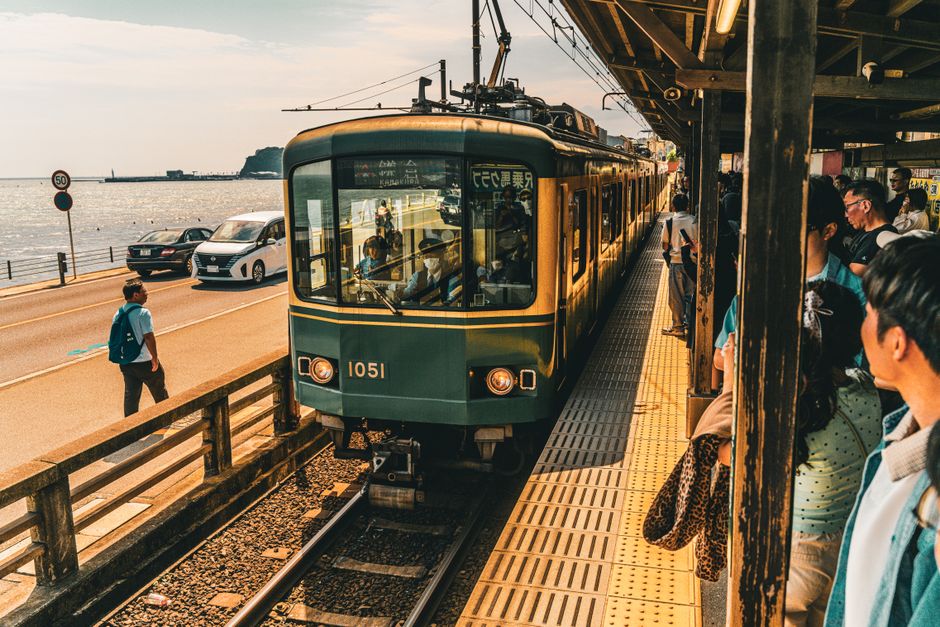
I brought a 40L backpack plus a daypack. Mistake. Japan has luggage forwarding services (Yamato Transport, about $15 per bag) that move your main bag between hotels while you travel light. I should have used it from day one instead of hauling everything through Shinjuku Station at rush hour. That was the closest I came to a panic attack.
I also over-planned restaurants. I had a spreadsheet of “must-eat” places. Half were closed or full. The best meals I had were random walk-ins: a standing sushi bar near Tsukiji, a curry shop under a train track in Kyoto, a 7-Eleven egg sandwich at 6 a.m. The spreadsheet became a source of pressure, not guidance.
And I booked one “group tour” thinking it would ease me in. It did the opposite. Being herded with 20 tourists made me feel more alone than eating solo. If you’re an anxious solo traveler, skip the group tours. The anxiety comes from lack of control, and group tours take away more control, not less.
The Verdict
Japan didn’t cure my anxiety. It gave me a controlled environment to practice being uncomfortable. That’s the whole trick. You can’t think your way out of solo travel anxiety. You have to do your way out, one successful train ride at a time.
If you’re sitting on a flight confirmation email right now, do this: book the pocket WiFi, add the Suica to your phone, and book your first night’s hotel near a major station. That’s it. Don’t plan the whole trip. Plan the first 24 hours. Anxiety lives in the future. Shrink the future to a single day, and it gets quieter.
Japan is the easiest hard thing you’ll ever do. Go.