
I used to think that if you wanted to see a sloth while drinking world-class coffee, you had to go to La Fortuna. It is a common misconception that Costa Rica holds a total monopoly on the “Pura Vida” lifestyle or the specific brand of biodiversity that makes Central America so magnetic. For a long time, the marketing machine worked so well that travelers simply ignored the borders to the north and south. We assumed that once you crossed out of the land of toucans and zip-lines, the jungle somehow became less green or the wildlife less abundant. That is simply not the case. In fact, many of the landscapes people associate exclusively with the Osa Peninsula or Monteverde are actually part of a much larger biological corridor that stretches deep into South America and up through Mexico.
I have spent the last decade drifting through these humid corridors. What I have learned is that while Costa Rica has perfected the infrastructure of eco-tourism, it has also perfected the pricing that comes with it. If you are looking for that same rush of seeing a quetzal in the mist or surfing a pristine Pacific break, but you want a different cultural flavor or perhaps a slightly lighter hit to your bank account, there are several alternatives that deliver the same goods. Sometimes they even do it better. You just have to be willing to trade a little bit of that polished tourism infrastructure for a bit more raw adventure.
Is Panama the closest alternative to Costa Rica for wildlife?
Panama is the most logical successor for anyone who loves the Costa Rican vibe. Geographically, they are twins. They share the same mountain ranges, the same Caribbean and Pacific coastlines, and a significant portion of the same species. However, Panama often feels like Costa Rica did twenty years ago—less crowded, slightly more rugged, and significantly more affordable once you get outside of the capital. The Chiriquí Highlands, specifically the town of Boquete, offer a cloud forest experience that rivals Monteverde but with a more authentic mountain-town feel. You can hike the Volcán Barú at dawn and see both oceans on a clear day, a feat you cannot easily replicate elsewhere.
The biodiversity in Panama’s Bocas del Toro archipelago is another heavy hitter. While Costa Rica has incredible beaches, the island culture in Bocas adds a layer of Afro-Caribbean history that you won’t find in the Guanacaste region. You can boat between islands, snorkel in mangroves, and see sloths hanging over the water. For this kind of island hopping, I always recommend a solid carry-on backpack. I’ve used the Osprey Farpoint 40 (approx. $185) for years. It is incredibly durable and fits into overhead bins on those tiny regional flights. The main pro is the harness system which makes it feel like a real hiking pack, though the con is that the laptop sleeve placement in older models can make the bag feel unbalanced if overpacked.
Comparing Panama and Costa Rica for Eco-Travelers
| Feature | Costa Rica | Panama |
|---|---|---|
| Primary Vibe | Eco-Luxury & Wellness | Adventure & Hidden Gems |
| Ease of Transit | High (Shuttles everywhere) | Moderate (Buses & regional air) |
| Average Daily Cost | $100 – $150 USD | $60 – $100 USD |
| Key Wildlife | Sloths, Toucans, Monkeys | Harpy Eagles, Sloths, Sea Turtles |
The infrastructure in Panama is catching up fast. You can find high-end eco-lodges in the San Blas islands that offer a level of seclusion that is increasingly hard to find in Manuel Antonio. Panama uses the US Dollar as its primary currency (the Balboa exists but is pegged 1:1), which makes financial planning much easier for North American travelers. If you want the jungle without the “Disney-fied” feeling that some parts of Costa Rica have adopted, Panama is the first place you should look.
Why Guatemala offers a more rugged volcanic experience
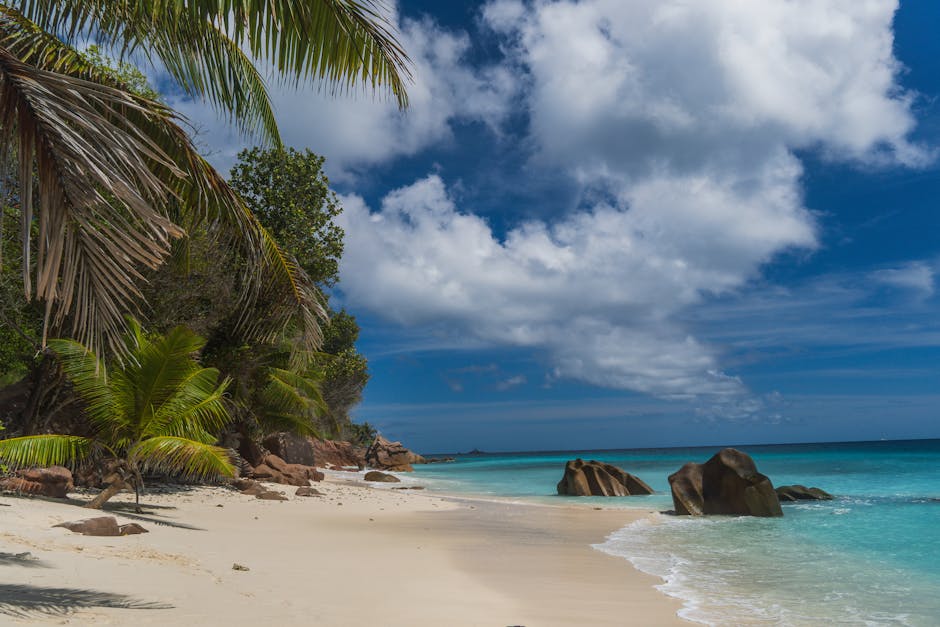
If your favorite part of Costa Rica is the volcanic activity and the dramatic elevation changes, Guatemala is a revelation. While Costa Rica has the perfectly conical Arenal, Guatemala has an entire chain of active volcanoes that you can actually climb and camp on. Acatenango is the gold standard here; you spend a grueling day hiking up to 3,976 meters to watch the neighboring Volcán de Fuego erupt every fifteen minutes throughout the night. It is visceral and raw in a way that looking at a volcano from a hot spring resort just isn’t. The scale of the landscape in the Western Highlands is massive, and the cultural density is far higher than what you find in the southern reaches of the isthmus.
Lake Atitlán is another destination that checks the “natural beauty” box but adds a profound indigenous cultural layer. Surrounded by three volcanoes, the lake is dotted with Mayan villages, each with its own distinct textile patterns and traditions. It offers a spiritual and aesthetic depth that rivals the Nicoya Peninsula’s yoga retreats. However, the terrain is unforgiving. If you are planning to document these landscapes, you need a camera that can handle the humidity and the dust. I suggest the Sony ZV-1 II (approx. $798). It is compact enough for long hikes but has a 18-50mm wide-angle lens that captures the scale of the volcanoes perfectly. The autofocus is world-class, though the battery life is notoriously short, so you will need to carry spares.
Top Adventure Spots in Guatemala
- Antigua: A colonial basecamp for volcano trekking.
- Semuc Champey: Limestone bridges and turquoise pools hidden in the jungle.
- Tikal: Massive Mayan ruins surrounded by a biosphere reserve full of howler monkeys.
- Lake Atitlán: High-altitude volcanic lake with diverse village cultures.
Guatemala is significantly cheaper than Costa Rica. Your money goes about twice as far here, especially when it comes to high-quality textiles and local food. The trade-off is safety and logistics. You have to be more aware of your surroundings, and the “chicken buses” are an experience in endurance rather than comfort. But for the traveler who wants to feel the earth move under their feet—literally—Guatemala is the superior choice.
Can Colombia’s Pacific Coast rival the Osa Peninsula?
Many travelers go to Costa Rica’s Osa Peninsula because it is billed as the most biologically intense place on earth. While that might be true by certain metrics, Colombia’s Chocó region on the Pacific coast is a very close contender and remains one of the least visited wilderness areas in the Americas. This is where the Andes meet the Pacific, creating a rainforest so dense and wet that there are no roads leading to the main towns like Nuquí or Bahía Solano. You have to fly in on a prop plane. Once you arrive, you are in a world of humpback whales, nesting sea turtles, and jungle that literally touches the surf.
The experience here is much more elemental than in Costa Rica. There are no paved roads, no large grocery stores, and very limited electricity in some areas. It is the definition of off-the-grid. During whale season (July to October), you can sit on the porch of a basic eco-lodge and watch mothers and calves breaching just offshore. The humidity is intense, often hovering around 90%, which means your electronics and your body will be tested. I have found that having a reliable power source is non-negotiable. The Anker 737 Power Bank (approx. $149) is a beast that can charge a laptop and a phone multiple times. Its main pro is the 140W fast charging, but the con is that it’s quite heavy—almost like carrying a brick in your daypack.
Colombia also offers the Lost City Trek (Ciudad Perdida) in the Sierra Nevada de Santa Marta. This is often compared to Machu Picchu but feels much more like a Costa Rican jungle expedition. You spend four days trekking through heat and mud to reach ancient ruins that are still managed by the indigenous Kogi and Wiwa people. It is a grueling, sweaty, and deeply rewarding alternative to the more manicured trails of Monteverde. Colombia’s diversity is its greatest strength; you can go from the Caribbean beaches of Tayrona to the high-altitude paramo of Chingaza in a single trip, mirroring the ecological variety of Costa Rica on a much larger scale.
Comparing the rainforests and reefs of Belize to Costa Rican coastlines
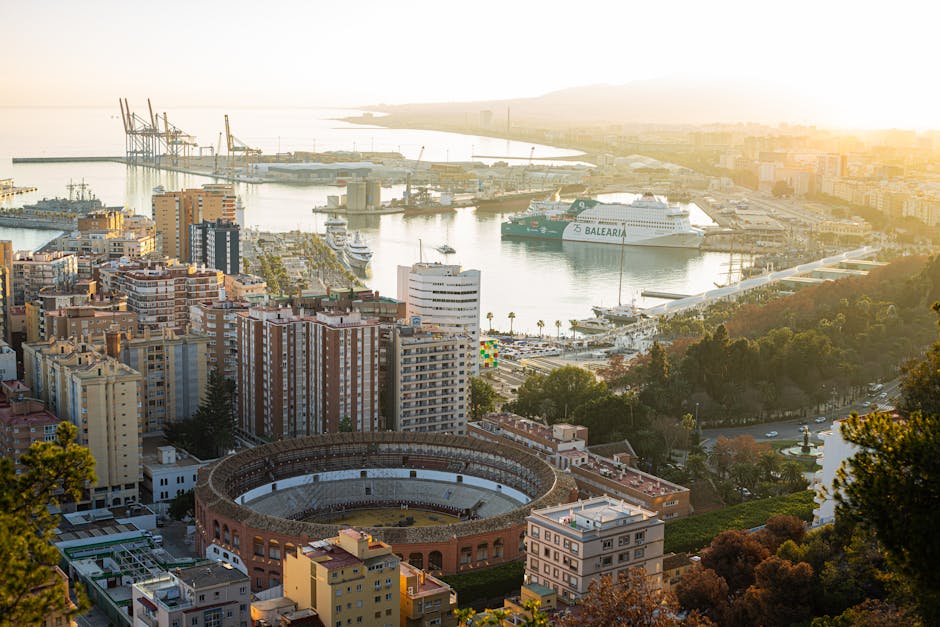
Belize is a unique outlier in Central America because it manages to combine the dense jungle interior with the second-largest barrier reef in the world. If you find yourself torn between the lush forests of Manuel Antonio and the diving opportunities of the Caribbean, Belize allows you to do both within a very small geographic area. The Cayo District, centered around San Ignacio, is the heart of Belizean eco-tourism. It’s home to the Mountain Pine Ridge Forest Reserve and the ATM (Actun Tunichil Muknal) cave, where you can swim through underground rivers to see ancient Mayan sacrifices. It has that same “adventure around every corner” feeling that defines the Costa Rican experience.
However, the coastal experience in Belize is vastly different. Instead of the long, surfing-focused beaches of Costa Rica’s Pacific side, you have the Cayes. Caye Caulker and Ambergris Caye are low-lying coral islands where the motto is “Go Slow.” The snorkeling at Hol Chan Marine Reserve is arguably better than anything you will find on the Costa Rican mainland. You are swimming with nurse sharks and manatees in crystal-clear water. The cultural mix is also fascinating—a blend of Maya, Mestizo, Garifuna, and Creole that makes the food and music scene incredibly vibrant.
Logistical Breakdown: Belize vs. Costa Rica
- Language: English is the official language in Belize, making it much easier for those who aren’t confident in their Spanish.
- Currency: The Belize Dollar is pegged 2:1 to the US Dollar. You can use USD almost everywhere.
- Transport: Water taxis are the primary mode of transport between islands, while small planes (Tropic Air) connect the jungle to the coast.
- Cost: Belize is generally more expensive than Guatemala or Nicaragua, sitting somewhere just below Costa Rica in terms of overall budget.
One thing to keep in mind is that Belize is small. You can drive from the western border with Guatemala to the Caribbean coast in a few hours. This makes it an excellent choice for people who only have a week but want to see both the jungle and the ocean without spending half their trip in a van. It lacks the massive, sweeping national parks of Costa Rica, but it compensates with its intimacy and the ease of moving between ecosystems.
Essential gear and financial tools for tropical eco-adventures
When you are bouncing between these destinations, the logistical friction can wear you down. One of the biggest hurdles is staying connected and managing money without getting destroyed by fees. I’ve stopped trying to buy local SIM cards at every border crossing because it’s a time-sink. Instead, I use Airalo eSIMs (prices vary from $5 to $30 depending on the country). The pro is that you can buy a regional plan that covers all of Central and South America, so your phone just works the moment you land. The con is that it’s data-only, so you won’t have a local phone number for making traditional calls, though WhatsApp works fine.
Financially, the landscape has changed. I no longer carry stacks of cash or rely on my primary bank card, which often flags international transactions as fraud. I use the Wise Multi-Currency Account (The card is free or a small $9 fee depending on the region). It allows you to hold balances in dozens of currencies and convert them at the mid-market rate. The pro is that it saves you a fortune on exchange fees at ATMs. The con is that there are monthly limits on free ATM withdrawals, so you have to plan your cash outs carefully. In places like rural Guatemala or the Colombian coast, cash is still king, so having a card that doesn’t punish you for using an ATM is essential.
“The best travel gear isn’t the stuff that has the most features; it’s the stuff that removes the most obstacles from your day.”
Finally, let’s talk about footwear. Costa Rica’s trails are often well-maintained, but if you head to Panama or Colombia, you will encounter real mud. I see people trying to hike in fashion sneakers, and it always ends in a twisted ankle or a ruined pair of shoes. Invest in a pair of lightweight, breathable trail runners. They dry faster than leather boots and provide the grip you need for slippery volcanic scree or muddy jungle paths. When you combine the right gear with a willingness to look beyond the most famous names on the map, you realize that the spirit of adventure isn’t confined to a single country. Costa Rica is incredible, but the rest of the region is waiting with its own version of paradise, often at a fraction of the cost and with twice the mystery.
Whether you choose the volcanic peaks of Guatemala, the hidden reefs of Belize, or the wild Pacific shores of Colombia, the key is to approach each with the same respect for nature that Costa Rica has championed. These destinations are in different stages of their eco-tourism journey, and as a traveler, you have the chance to see them before they become the next big thing. Pack light, stay connected, and keep your eyes open—the jungle looks different everywhere you go, but the feeling of standing in it remains the same.