Yellow fever vaccination is not a health advisory — it is a border condition. In more than 40 countries across Africa and South America, customs officers will turn you back without a stamped International Certificate of Vaccination or Prophylaxis (ICVP). No yellow fever jab, no entry. That rule applies whether you are flying out of Brisbane, Cairns, or the Gold Coast.
The broader picture for Queensland travelers is more nuanced. Some vaccines are legally required. Others are strongly recommended by travel medicine specialists. A few get pushed aggressively by clinics but are genuinely unnecessary for most itineraries. Knowing which is which saves money — and a lot of unnecessary needle anxiety.
Required vs. Recommended: The Distinction That Matters at the Border
Required vaccines are entry conditions set by a destination country’s government. Your doctor cannot waive them. The airline will not help you at the gate. Arrive without proof and you either get vaccinated at the airport medical centre — at whatever price they set — or you reboard the next flight home.
Recommended vaccines are genuine medical advice based on disease risk at your destination. They protect you, but missing them will not get you turned away at customs. This is where cost-benefit decisions happen between you and your travel doctor, not between you and an immigration officer.
| Vaccine | Required for Entry? | Most Relevant Destinations | Doses Required | Brand Names |
|---|---|---|---|---|
| Yellow Fever | Yes — 40+ countries | Sub-Saharan Africa, Amazon Basin | 1 (lifelong protection) | Stamaril |
| Hepatitis A | No — recommended | Southeast Asia, India, Pacific Islands | 2 doses (6–12 months apart) | Havrix, Vaqta |
| Hepatitis B | No — recommended | Long-stay travel anywhere | 3 doses or accelerated schedule | Engerix-B, Twinrix |
| Typhoid | No — recommended | India, Southeast Asia, East Africa | 1 injectable or 4 oral capsules | Typhim Vi, Vivotif |
| Japanese Encephalitis | No — recommended | Rural Asia, May–October season | 1 or 2 doses depending on brand | Imojev, Ixiaro |
| Meningococcal ACWY | Required for Hajj/Umrah | Saudi Arabia (pilgrims only) | 1 | Menveo, Nimenrix |
| Rabies (pre-exposure) | No — recommended | Remote travel, animal exposure risk | 3 doses over 21+ days | Rabipur |
| Cholera / Traveler’s Diarrhea | No — rarely recommended | High-risk backpacker routes | 2 oral doses | Dukoral |
Yellow fever is the only vaccine where a hard border refusal is standard and consistent. Meningococcal ACWY is required specifically for Hajj and Umrah pilgrims entering Saudi Arabia — not general tourists. For most Southeast Asia itineraries, no vaccine is required for entry at all, though several are worth having.
How Far in Advance You Actually Need to Book

This is what travel clinic websites bury in fine print. Some vaccines need weeks — or months — to generate immunity before your departure date. Book your travel health appointment at least 6–8 weeks before you leave. For complex itineraries involving rabies pre-exposure or the full Twinrix series, start 3–6 months out.
Critical lead times by vaccine:
- Yellow Fever (Stamaril): Must be administered at least 10 days before arrival. Your ICVP is not legally valid before that window closes.
- Hepatitis A (Havrix): First dose offers reasonable protection within two weeks. The second dose, given 6–12 months later, locks in long-term immunity.
- Typhoid injectable (Typhim Vi): Needs two weeks post-injection to take full effect. Oral Vivotif requires four capsules across seven days, then two additional weeks.
- Japanese Encephalitis (Imojev): Single dose, but allow 28 days before potential exposure in rural areas.
- Rabies pre-exposure (Rabipur): Three doses over a minimum of 21 days. No accelerated option exists. This timeline is fixed.
- Twinrix (combined Hepatitis A and B): Standard schedule runs 0, 1, and 6 months. An accelerated schedule — 0, 7, and 21 days plus a booster at 12 months — exists for last-minute situations, but you need at least a month to start it.
Leaving in two weeks? Some of these are simply not achievable on a standard schedule. A specialist travel clinic can advise on what is still possible, but do not count on shortcuts for every vaccine on your list.
Where to Get Travel Vaccinations in Queensland
Not every GP in Queensland is equipped for travel medicine. Standard practices can handle Hepatitis A and B and typhoid, but yellow fever administration requires specific government approval and certified cold-chain storage. That rules out most suburban clinics entirely.
What is the difference between a GP and a dedicated travel clinic?
A GP with travel medicine experience covers the core vaccines — Hepatitis A, Hepatitis B, typhoid, influenza — and can prescribe malaria prophylaxis such as Malarone. That is enough for most Southeast Asia trips where the vaccine list is short and predictable.
A dedicated travel clinic goes further. Staff track active disease outbreaks by destination, can administer yellow fever and issue a valid ICVP on the same day, and deal regularly with complex multi-country itineraries. For Africa, South America, or off-track Asia, the consultation alone is worth the cost difference.
Which Queensland clinics can administer yellow fever?
Travelvax Australia operates in Brisbane (multiple sites), Gold Coast, and Cairns. One of Australia’s most established travel medicine networks, they handle the full vaccine spectrum including Stamaril and can issue an ICVP on the day. Appointments can be booked online and their consultants stay current on regional outbreaks.
TMVC (Travel Medicine and Vaccination Centre) has Queensland locations and offers both walk-in and appointment-based consultations. Their online pre-assessment form shortens in-clinic time noticeably — worth completing before you arrive.
Travel Medicine Alliance is an accredited practitioner network rather than a chain clinic. Particularly useful for Queensland travelers in regional areas where the larger networks do not have a physical presence. Check their directory for your nearest accredited provider.
Can Queensland Health public clinics administer travel vaccines?
Some Public Health Units in Queensland do offer vaccines including yellow fever, typically at cost. These are not walk-in centres. Call ahead, expect a waiting period for appointments, and confirm they stock whatever you need before making the trip. For most travelers, a private travel clinic is faster, easier to schedule, and no more expensive once the consultation fee is factored in.
What Travel Vaccinations Actually Cost in QLD — No Medicare Surprises

Medicare covers almost nothing for travel vaccinations. These are not classified as routine preventive care under the Medicare Benefits Schedule, so the full cost falls on you unless your private health extras cover preventive treatments — and most do not cover vaccines specifically. Check your policy wording before assuming.
Realistic 2026 pricing at Queensland travel clinics:
- Consultation fee: $50–$120 (some clinics waive this when vaccines are administered on the same visit)
- Yellow Fever — Stamaril: $120–$145 per dose, one dose for lifelong protection
- Hepatitis A — Havrix: $80–$105 per dose, two doses needed for full coverage
- Twinrix (combined Hepatitis A and B): $100–$130 per dose across three doses
- Typhoid injectable — Typhim Vi: $70–$90
- Typhoid oral — Vivotif (four capsules): $60–$80
- Japanese Encephalitis — Imojev (single dose): $220–$260
- Rabies pre-exposure — Rabipur: $120–$160 per dose across three doses, totaling $360–$480
- Meningococcal ACWY — Menveo or Nimenrix: $90–$130
- Malaria tablets — Malarone (28-day course): $120–$180, prescription required
A standard Southeast Asia trip — consultation, Hepatitis A, typhoid — runs roughly $250–$350 out of pocket. An Africa or Amazon Basin itinerary involving Stamaril, Hepatitis A, Menveo, and a Malarone prescription can exceed $700 before the flights are booked.
One exception worth checking directly with your GP: healthcare workers and people with certain underlying medical conditions may qualify for Medicare-rebatable vaccines. Do not assume the travel clinic reception desk will flag this automatically — ask your GP to confirm before your appointment.
Destination by Destination: What QLD Travelers Actually Need
Vaccine priorities shift significantly depending on where you are going. Here is a practical breakdown for the destinations Queensland travelers book most frequently.
Southeast Asia: Thailand, Bali, Vietnam, Cambodia
No vaccines are required for entry into any of these countries. The recommended list: Hepatitis A is almost universally advised — contaminated food and water are consistent risks throughout the region. Typhoid is worth adding if you eat street food, visit rural areas, or stay longer than two weeks. Hepatitis B is worth reviewing if childhood vaccination records are unclear.
Bali specifically requires a separate conversation about rabies. The island has one of the highest rates of canine rabies transmission in Asia — this is documented, not alarmist. Travelers planning a month or more in Bali, or doing any rural or animal-adjacent activity, should discuss Rabipur pre-exposure vaccination with their travel doctor. Three doses over a minimum of 21 days means planning well in advance.
Japanese encephalitis is relevant for extended rural travel between May and October. For two-week stays in tourist centres, the risk is low enough that most travel physicians will not push it. Ask anyway and let them guide the decision based on your specific itinerary.
India and the Indian Subcontinent
Hepatitis A, typhoid, and Hepatitis B form the core recommendation. Oral Vivotif is popular for India specifically because it covers enterotoxigenic E. coli alongside typhoid — practical for travelers eating adventurously across street stalls and local restaurants. Japanese encephalitis is relevant for rural northern India and long-stay travelers. Rabies pre-exposure via Rabipur is a genuine consideration for rural India, Nepal, and Sri Lanka, particularly for anyone spending time in remote villages or with animals.
Sub-Saharan Africa and South America (Amazon Basin)
Stamaril yellow fever is a hard entry requirement for most of these destinations. Beyond that: Hepatitis A, Hepatitis B, typhoid, meningococcal ACWY for West African countries specifically, and malaria prophylaxis throughout. This is the itinerary category where a specialist travel clinic consultation — not a GP visit — genuinely pays for itself. The disease environment is more complex, outbreak situations shift faster, and the cost of getting it wrong is considerably higher.
Pacific Islands: Fiji, Vanuatu, PNG, Solomon Islands
No yellow fever requirement across the region. Hepatitis A is recommended. Papua New Guinea is a different situation — malaria is high-risk throughout most of the country, prophylaxis is non-negotiable, and Japanese encephalitis vaccination is recommended for rural travel. Typhoid is worth considering for Fiji and other island destinations where rural food hygiene is inconsistent outside resort areas.
Japan, South Korea, Taiwan
Minimal requirements. Confirm that routine vaccinations — MMR, tetanus-diphtheria — are current before any international departure, which is good practice regardless of destination. Japanese encephalitis is technically possible in rural Japan but the risk for short-stay city travelers is low enough that most clinicians will not recommend it. Hepatitis A remains a sensible baseline for any international trip.
The Certificate Is Not the Same as the Vaccine
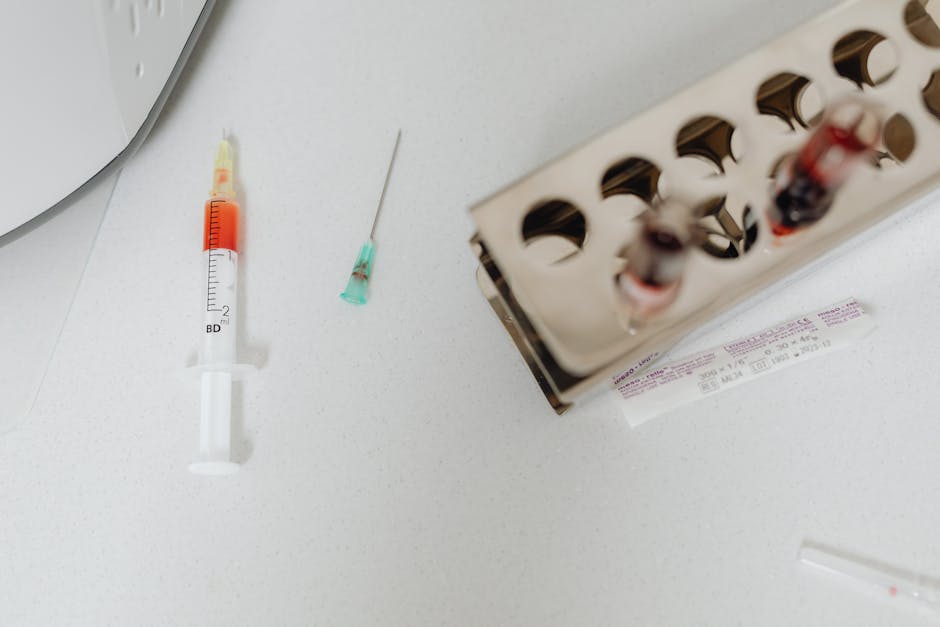
Getting vaccinated and having valid proof are two separate things — and it is the proof that gets enforced at the border.
For yellow fever, you must receive an International Certificate of Vaccination or Prophylaxis — the official yellow booklet issued by your vaccine administrator at the time of injection. A GP’s handwritten note on clinic letterhead will not work. A printout from your online patient portal will not work. Only the official ICVP, completed and signed by an approved vaccinator at the time of administration, is accepted at international checkpoints. One important update: since 2016, the World Health Organization revised the validity rules. A single yellow fever dose now confers lifelong protection, and ICVP certificates no longer carry an expiry date. If you hold an older certificate with a 10-year validity stamp, it may still be accepted at some borders, but a current certificate with no expiry date removes any ambiguity. If yours is old, get revaccinated and collect a fresh one — Stamaril is a one-dose vaccine and the cost is minimal compared to the risk of a border refusal.
Store the ICVP with your passport. Not in your carry-on bag separately. Not in your travel wallet. With your passport. Travelers who separate the two documents consistently encounter problems at airline check-in, which will request it before boarding for yellow fever-entry destinations.
For all other vaccines, documentation matters for continuity across doses. Travelvax Australia and TMVC maintain records within their own networks and can pull prior vaccination history if you return for a booster or second dose. If you have spread doses across different providers — a GP for dose one, a travel clinic for dose two — bring a printed summary from your GP to the travel clinic appointment so no clinician resets your schedule from scratch.
Australia’s AIR (Australian Immunisation Register) records administered vaccines and is accessible via MyGov. Useful as a personal reference and backup, but not a substitute for the physical ICVP at an international border.
The clearest recommendation: book a dedicated travel clinic — Travelvax Australia or TMVC are the most accessible Queensland options with yellow fever certification — at least eight weeks before departure. Bring your full itinerary, not just your destination country, because the specific regions, activities, and duration of your trip determine which vaccines are genuinely necessary versus which ones a clinic might suggest out of habit.