
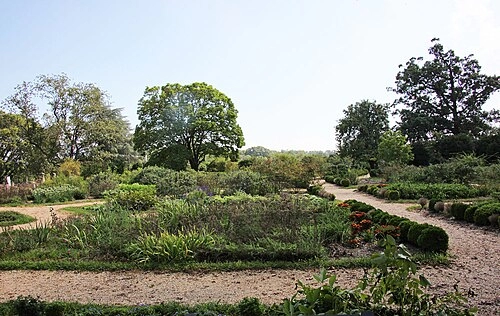
Historical Context: The Rise of Public Gardens in the Colonial Era
Walking through Europe’s grand public gardens today, it’s easy to forget these green spaces were once powerful tools of empire. During the 18th and 19th centuries, botanical and public gardens rose in prominence—not just as places of leisure, but as strategic sites in the colonial project. European powers established these gardens to showcase and control the natural world, reflecting the ambitions and reach of imperialism.
These gardens played a crucial role in plant bioprospecting and economic botany. They were living laboratories where species like rubber, quinine, and tea were cultivated, trialed, and eventually transferred across continents. This exchange was far from innocent; it was driven by profit and the desire to dominate global markets by controlling valuable resources. The plants themselves symbolized power—exotic, yet tamed within European borders.
Funding for these sprawling urban gardens and city redesigns often came from colonial wealth. The fortunes built on slavery, plantations, and resource extraction poured into metropolitan centers. This capital fueled ambitious projects, reshaping cityscapes while subtly embedding the empire’s legacy into everyday urban life.
So next time you stroll through a stately park, ask yourself: beneath the blooms and shaded avenues, what stories of empire, trade, and ecological conquest quietly unfold? These gardens are more than pretty spaces—they are echoes of a past deeply entangled with European colonialism.
Iconic Gardens and Their Colonial Ties
Many of Europe’s most famous gardens carry deep colonial histories. The Tuileries Garden in Paris, for example, was not just a leisure spot but also a space where debates on slavery’s abolition and reinstatement under Napoleon played out. Its development was funded by colonial revenues, tying it directly to the empire’s profits from plantations and trade.
Kew Gardens in London stands as a central hub for imperial plant exchanges. It became famous for economic botany, driving the global transfer of valuable plants like rubber and tea. Kew’s legacy includes the era of “plant hunters” — explorers sent across continents to collect exotic species, often without regard for indigenous peoples.
Elsewhere, botanical gardens in Amsterdam, Berlin, and Lisbon reveal similar colonial connections. These gardens were often linked to powerful trading companies like the Dutch East India Company or the Portuguese Estado da Índia, reflecting the reach of European empires overseas. The imported exotic plants themselves became symbols of dominance and control, showcasing the global reach and ambition of European powers.
Exploring these gardens today reveals a living archive of colonial legacies embedded in urban green spaces, offering insight into empire through plants and landscaping. For those interested in navigating imperial heritage sites, understanding these historical layers helps bring hidden colonial history to light.
For a broader view on colonial urban spaces and legacies, consider exploring how cities like Amsterdam interpret their pasts through guided tours and public narratives similar to those in the botanical garden contexts.
Lamplight and Urban Illumination: Symbols of Imperial Progress
The 19th century brought a dazzling transformation to European cities with the introduction of gas and later electric street lighting. This brightening of urban spaces wasn’t just about convenience—it was deeply tied to colonial resource wealth. The raw materials and profits extracted from plantations, mines, and colonies fueled these technological upgrades, making cities like Victorian London and Haussmann’s Paris glow after dark.
Evening strolls under gas lamps became a hallmark of bourgeois leisure, marking new social habits in redesigned urban landscapes. Walking through these illuminated streets wasn’t merely about enjoying fresh air but also about experiencing a city reshaped by imperial power and prosperity. As we wander these avenues today, we often encounter hidden colonial narratives—statues, plaques, and architectural details commemorating figures involved in empire-building which loom under the steady lamplight.
These relics, often overlooked, remind us that the serene glow of city illumination is inextricably linked to a history of colonial exploitation and imperial ambition. Exploring these illuminated spaces can reveal the entangled colonial heritage embedded deep within Europe’s postcolonial urban fabric.
For a broader grasp on how colonial histories shape urban spaces, you might find the insights from a travelogue on Istanbul’s bazaars beyond modernity valuable, as they reveal similar patterns of imperial influence and urban evolution.
Modern Echoes: Decolonial Perspectives and Guided Experiences
Today, many European cities are reexamining their colonial legacies through decolonial walking tours that reveal the hidden stories of slavery and empire. For example, Amsterdam’s Black Heritage Tours and specially designed routes in Paris offer visitors a chance to explore how colonialism shaped urban landscapes, often challenging the neat, sanitized histories we grew up with. These tours don’t just highlight old facts — they connect the dots between public spaces, monuments, and the enduring impact of slavery links in cities.
Beyond guided walks, artists and communities increasingly engage in projects that reframe heritage sites, transforming traditional narratives to include voices and histories often overlooked. This kind of civic involvement helps shift the way these spaces are understood and experienced, opening up dialogue about the complex past beneath the surface.
For me, even a casual stroll beneath garden lamplight or through well-known public parks can prompt deeper reflection. It’s a chance to recognize the entangled colonial heritage woven into familiar urban scenes—reminding us that these seemingly peaceful spaces often have stories of exploitation and global power struggles behind them. Exploring these layers enriches our understanding of Europe’s postcolonial urban landscapes and encourages us to rethink what heritage really means.
You can find similar profound insights in other European cities with rich histories, like Nuremberg, where urban spaces also reflect layered pasts connected to empire and power struggles. Exploring these places on foot gives a tangible sense of history at work.
(Explore more about Nuremberg’s complex urban heritage to see another example of how cityscapes hold colonial echoes.)
Confronting the Legacy Today
Today, Europe faces a critical reckoning with its colonial past woven into public gardens, urban spaces, and imperial heritage sites. One of the biggest challenges is historical amnesia—many city dwellers remain unaware of the deep links between these spaces and slavery, resource extraction, or exploitation. This gap fuels heated debates over restitution, renaming, and reinterpretation of monuments, gardens, and streets once celebrating colonial figures.
Yet, there are clear opportunities to reshape these narratives. Progressive heritage practices now emphasize inclusive storytelling that recognizes multiple perspectives—especially the voices of colonized peoples. Gardens and public parks serve as platforms for multispecies storytelling, acknowledging not only human histories but also ecological entanglements born from bioprospecting and plant transfers. These approaches offer more honest, layered experiences that challenge dominant colonial narratives.
Ultimately, the transformation of these sites poses broader questions about European identity in a postcolonial era. Embracing complexity instead of denial can lead to more open, nuanced urban landscapes—moving beyond mere beautification toward spaces that invite reflection and learning. For those interested, exploring European public parks history reveals how these legacies persist today and how European cities are slowly rewriting their postcolonial stories.
Through conscious engagement, casual evening strolls under lamplight can shift from simple leisure to meaningful encounters with entangled colonial heritage, helping us understand the ongoing impact of empire embedded in everyday life.