
The Magic of Jungle Temples: Why They Captivate
There’s a unique enchantment in wandering through jungle temples Cambodia has quietly housed for centuries. These ancient ruins whisper stories of mighty empires—like the Khmer and Champa—that flourished, then faded away, leaving behind majestic stone monuments to time itself. Once vibrant centers of faith and power, their gradual abandonment allowed the jungle to reclaim them, weaving roots and vines through crumbling walls in a hauntingly beautiful dance between human creation and nature’s relentless embrace.
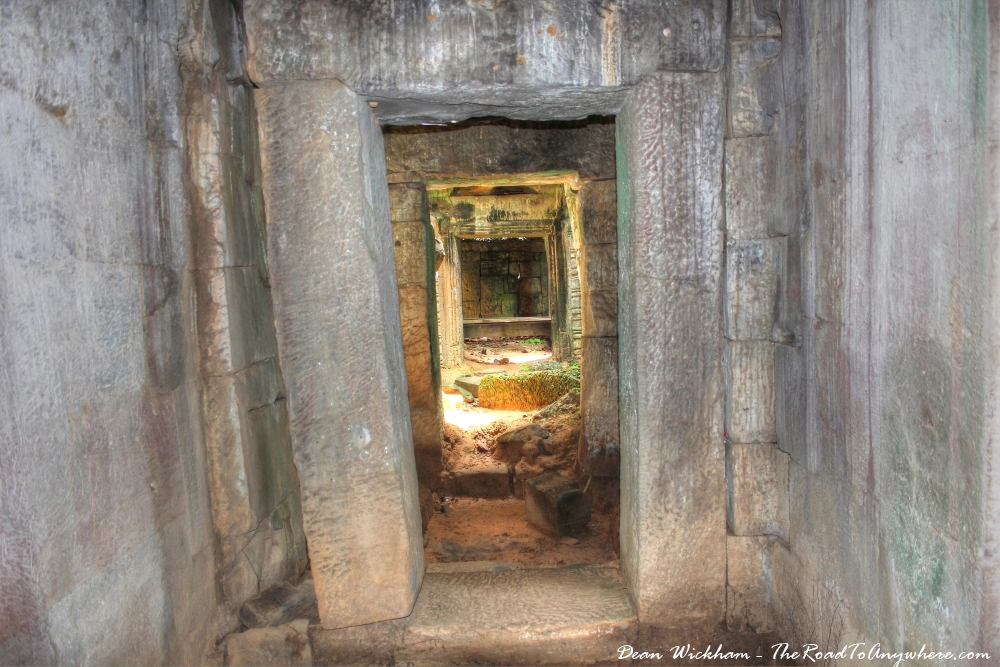
This delicate interplay feels almost sacred. Moss-covered stones, dappled sunlight filtering through dense canopies, and the soft calls of birds create a serene atmosphere that’s worlds apart from bustling tourist sites. Here, you step into a living canvas where ancient history and nature merge, inviting quiet reflection and an intimate connection to a forgotten past. It’s this peaceful, untouched serenity that makes exploring overgrown ancient ruins such a captivating and deeply moving experience.
Iconic Jungle Temples You Must Experience
When exploring jungle temples Cambodia has to offer, a few iconic sites stand out for their unique blend of history and nature. Ta Prohm is the ultimate \”Tomb Raider\” temple, famous for massive tree roots gripping its ancient walls, creating that atmospheric ruin look straight out of an adventure film. If you want a wilder, more untamed experience, Beng Mealea is perfect—it feels like an Indiana Jones adventure, with collapsed galleries swallowed by thick vines and nature reclaiming every corner.
For a grander scale, Preah Khan offers a vast complex filled with overgrown courtyards, serene lakes, and intricate stone carvings, providing both history and peacefulness. Meanwhile, Ta Nei is a smaller, quieter gem tucked away from the crowds, offering forest intimacy and a sense of calm that’s hard to find at more popular temple sites.
These temples each present a different side of jungle temple exploration, from dramatic ruins to tranquil hideaways, making them must-visit spots on any Southeast Asia temple trekking trip. For a glimpse into nearby sites with similar vibes, you might also enjoy reading about the Sambisari temple ruins near Yogyakarta, where nature gently encroaches on ancient stones.
Hidden Gems for a Truly Serene Adventure
For those craving quiet and solitude, hidden jungle temples offer a rare chance to experience ancient ruins away from crowds. Banteay Chhmar in Cambodia is a remote, unrestored gem famous for its massive enigmatic faces carved into stone walls. Surrounded by thick jungle, it feels like stepping into a secret Khmer empire site frozen in time.
Further east, My Son Sanctuary in Vietnam presents haunting Champa ruins nestled in lush hills. Though heavily bombed during the war, the site’s morning mist creates an evocative atmosphere perfect for peaceful reflection amid nature-reclaimed temples.
In Cambodia, Sambor Prei Kuk is a peaceful spot with scattered Pre-Angkorian brick temples set inside quiet forest glades. This off-the-beaten-path location gives a genuine sense of exploring early Southeast Asia temple trekking routes.
Crossing into Laos, Wat Phou sits serenely at the base of a jungle-covered mountain, overlooking a calm river. This underrated Hindu-Buddhist site offers a tranquil backdrop that makes it ideal for visitors wanting to combine spiritual history with nature’s embrace.
These hidden treasures show how jungle temples beyond the popular circuits can offer some of the most serene temple exploration experiences in Asia. For a broader feel of calm in nature after your temple walks, you might also enjoy winding down in peaceful spots similar to those described in our guide on winding down in Peng Chau.
Extending the Journey: Temples with Jungle Backdrops
If you’re looking to expand your serene temple journey beyond Cambodia and Vietnam, several iconic sites in Southeast Asia offer stunning jungle backdrops that blend ancient architecture with nature’s embrace.
Borobudur (Indonesia) stands out as a massive Buddhist mandala temple set against lush volcanic jungle slopes. Experiencing Borobudur at sunrise is unforgettable, as the temple’s stone terraces glow softly in the morning light, surrounded by mist and tropical greenery. This peaceful moment highlights the harmony between spiritual design and the jungle’s natural power, a must for anyone seeking serene temple exploration in Asia.
Nearby, Prambanan features towering Hindu spires that rise dramatically from dense tree cover. The temple’s intricate stone carvings and tall towers contrast beautifully with the surrounding greenery, making it a captivating stop for those trekking through Indonesia’s ancient ruins jungle.
Further to the north in Myanmar, Bagan offers an incredible panorama of thousands of pagodas scattered across wide plains that touch forest edges. Here, jungle and plains meet, creating a calm atmosphere best enjoyed from a hot air balloon at dawn. The views combine the vastness of ancient Asian ruins jungle with a peaceful serenity unmatched anywhere else.
For a deeper dive into Indonesia’s rich temple landscape beyond the well-trodden paths, exploring places like Ngawen Losari can enrich your journey with more hidden jungle sites and Buddhist treasures. Discover more about these sites and their setting in jungle-encased temples at this guide to Ngawen Losari Temples.
Whether it’s the volcanic jungle around Borobudur, the green-covered towers of Prambanan, or the quiet forest edges around Bagan, these temples extend your experience of Asia’s mystical jungle temples beautifully.
Planning Your Serene Jungle Temple Journey
To make the most of your serene jungle temple journey, timing is key. The best time to visit is during the dry season, from November to March, when trails are easier to navigate and temples glow in the soft, golden light. This season offers you the perfect chance to explore peaceful sites like Ta Prohm ruins or Preah Khan Cambodia without the discomfort of heavy rains.
When visiting these overgrown ancient ruins, practice responsible tourism. Stick to marked paths to protect fragile structures and support ongoing conservation efforts. Hiring local guides not only enriches your experience but also helps sustain nearby communities.
For a rewarding trip, plan multi-day itineraries starting from hubs like Siem Reap. This approach lets you balance trekking through Angkor hidden temples and other jungle sites with moments of rest and reflection. Whether you’re visiting iconic spots or off-the-beaten-path Angkor temples, allow time for mindfulness – sunrise is a magical time to capture photos or simply soak in the serene temple exploration.
For a more immersive experience, you might want to check practical tips and suggestions for well-rounded days exploring the area, combining adventure with relaxation and cultural insights. For example, guide services and tips on eating well can make your stay even better, as seen in this helpful Siem Reap travel advice.