
You’ve seen the $80-per-night capsule hotels and the $600-per-night ryokans. Neither feels right. You want a real bed, your own bathroom, and enough money left over for good food and the occasional taxi. That’s the mid-range sweet spot, and Kyoto does it better than almost anywhere in Japan.
I’ve spent three separate weeks in Kyoto over the last five years. The first trip I blew my budget by day four. The second I overcorrected and stayed in a place so far from anything that I spent the savings on buses. The third trip finally clicked. This itinerary is that third trip.
Where to Stay: The Neighborhood Decision That Makes or Breaks the Trip
Most people default to Kyoto Station or Gion. Both are fine, but they’re not the same thing. Kyoto Station is convenient for day trips and has the best mid-range hotel density. Gion is atmospheric but overpriced for what you get. I’d skip both unless you find a deal.
My pick: Karasuma Oike or Sanjo. You’re walking distance to the Nishiki Market, the Kamo River, and the subway that gets you everywhere else. Hotel rooms here run ¥12,000-¥18,000 per night for a decent double. That’s $80-$120 USD. The Mitsui Garden Hotel Kyoto Sanjo (from ¥14,000/night) has a public bath and rooms big enough to open two suitcases. The Hotel Monterey Kyoto (from ¥13,500/night) is a bit dated but the location is unbeatable.
What to avoid: anything near the Kinkaku-ji (Golden Pavilion) area. It’s a single-attraction neighborhood. You’ll commute 40 minutes every time you want dinner.
What “Mid-Range” Actually Costs in Kyoto
| Category | Budget Option | Mid-Range Pick | Price (per night/person) |
|---|---|---|---|
| Hotel | Capsule or hostel | Business hotel (Mitsui Garden, Dormy Inn) | ¥6,000-¥9,000 |
| Dinner | Convenience store | Izakaya or set meal | ¥2,500-¥4,000 |
| Lunch | Onigiri | Ramen or soba shop | ¥1,200-¥1,800 |
| Transport (daily) | Walk everywhere | Bus + subway day pass | ¥1,100 |
| Attractions | Free shrines only | 2-3 paid temples per day | ¥1,500-¥2,500 |
Total daily mid-range spend: ¥12,000-¥16,000 per person excluding accommodation. That’s $80-$110. Add the hotel and you’re at $160-$230 per day. Not cheap, but not luxury either.
Day-by-Day: The 7-Day Route I’d Actually Repeat
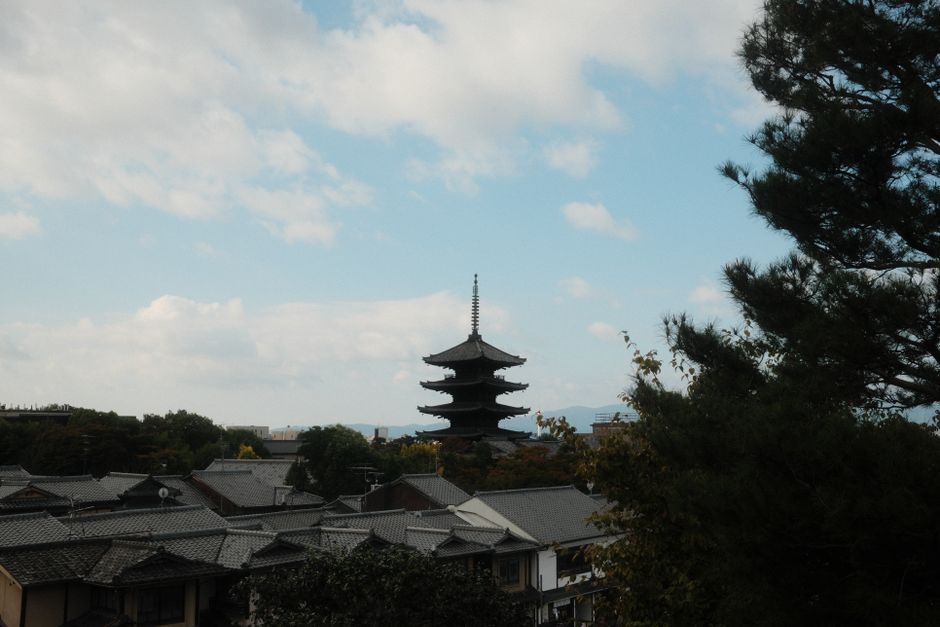
This route groups sights by geography. The biggest mistake first-timers make is zigzagging across the city. Kyoto’s buses are slow. Traffic is real. You’ll lose two hours a day if you don’t cluster.
Days 1-2: Higashiyama and the Eastern Temples
Start at Kiyomizu-dera (opens 6am, ¥500). Go early. By 9am the tour buses arrive and the wooden stage becomes a shoulder-to-shoulder line. Walk down through Sannenzaka and Ninenzaka before the shops open. Then hit Kodai-ji (¥600) and Yasaka Shrine (free). This is a full day. Don’t cram more.
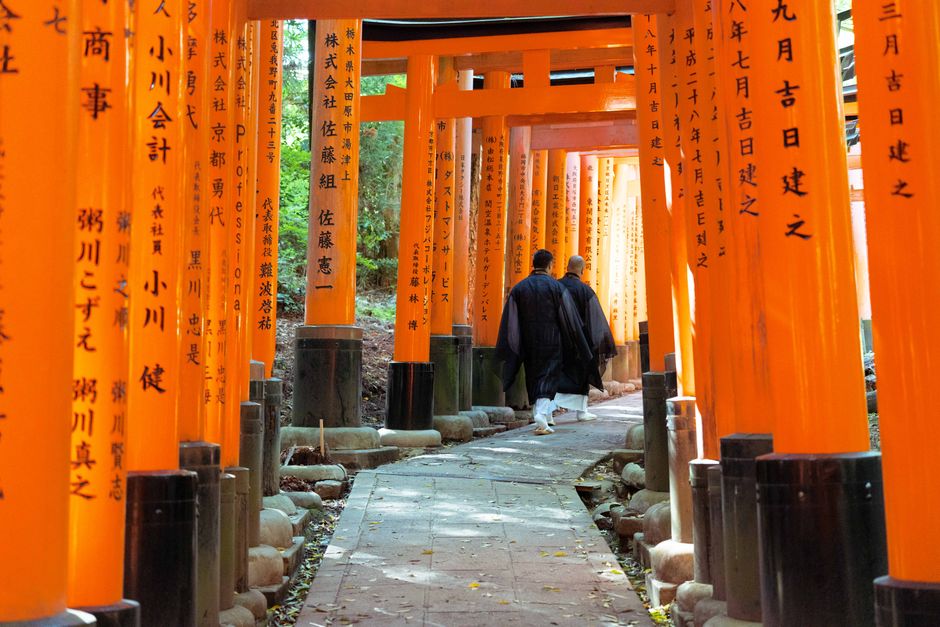
Day 2: Fushimi Inari at 7am. The torii gate tunnel is empty if you go before 8am. Hike to the halfway viewpoint (about 45 minutes) and turn around. The full loop is 2-3 hours and the top is underwhelming. Afternoon: Tofuku-ji (¥400) and the Sanjusangen-do (¥600). The latter has 1,001 statues of Kannon. It’s the most underrated sight in Kyoto.
Days 3-4: Arashiyama and the Northwest
Day 3: Arashiyama Bamboo Grove at 7:30am. Then Tenryu-ji (¥500) and the Okochi Sanso Villa (¥1,000). The villa is the best value in Arashiyama. It includes matcha and a sweet in the ticket price, and the gardens are spectacular. Skip the monkey park unless you love steep climbs and aggressive macaques.
Day 4: Kinkaku-ji (¥500) at opening time. It’s a 20-minute visit. Then Ryoan-ji (¥600) for the rock garden. These two are close enough to walk between. Afternoon: Nijo Castle (¥800). The nightingale floors are genuinely cool. The castle closes at 5pm, so go by 3pm.
Days 5-6: Central Kyoto and a Day Trip
Day 5: Nishiki Market for breakfast (try the tamagoyaki and the soy milk donuts). Then Nijo-jo if you skipped it, or the Kyoto Imperial Palace (free, but book ahead). Afternoon: Philosopher’s Path from Ginkaku-ji (¥500) down to Nanzen-ji. This walk is better in the late afternoon light.
Day 6: Day trip to Nara. The Kintetsu line from Kyoto Station takes 35 minutes and costs ¥620 each way. Todai-ji (¥600) has the giant Buddha. The deer are aggressive if you hold crackers. Keep your hands empty. Back by 5pm.
Day 7: Whatever you missed. I’d do Gion in the early morning (empty streets, no crowds) and then Nishiki again for last-minute food gifts. Fly out or train out in the afternoon.
What Most People Get Wrong About Kyoto Budgeting
The mistake isn’t overspending on hotels. It’s underestimating transport and food.
- Buses are slower than you think. The Raku bus 100 and 101 cover the main sights but sit in traffic. The subway only has two lines. Budget 30-45 minutes between any two major sights.
- Cash is still king. Many small restaurants and temple shops don’t take cards. Carry ¥10,000-¥15,000 in cash at all times. 7-Eleven ATMs work with foreign cards.
- Lunch is the value meal. A ¥1,500 lunch set at a good restaurant would cost ¥4,000 at dinner. Eat your big meal at lunch.
- The JR Pass is usually a waste for Kyoto-only trips. It only pays off if you’re doing Tokyo-Kyoto round trip plus more. For local travel, the Kyoto City Bus & Kyoto Subway One-Day Pass (¥1,100) is the right tool.
One more thing: temple fatigue is real. By day four you’ll be tired of looking at gardens. That’s normal. Skip a temple. Sit by the Kamo River with a coffee from % Arabica (¥550). That’s not wasted time.
When You Should NOT Do This Itinerary
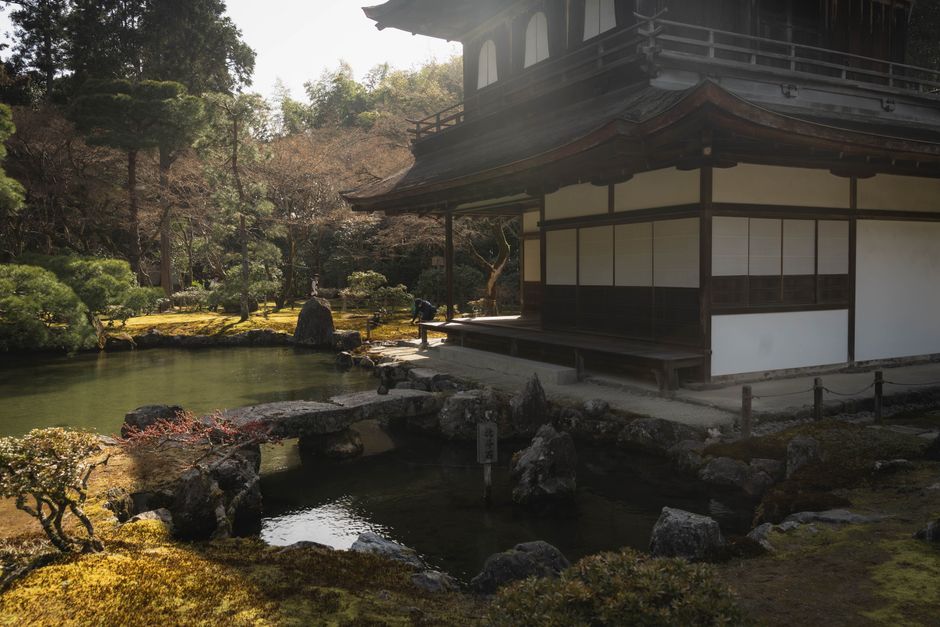
If you’re traveling with small kids, this route is too temple-heavy and too walking-intensive. Swap Arashiyama’s villa for the Kyoto Railway Museum (¥1,500) and skip the Fushimi Inari hike entirely. Kids like the deer in Nara more than any temple.
If you’re on a strict backpacker budget (under ¥8,000/day), this won’t work either. You’d need hostels and convenience store meals. That’s a different trip. The mid-range approach assumes you want a private room and sit-down meals.
And if you’ve been to Kyoto before, skip the Greatest Hits. Spend your week in Ohara, Kurama, and Uji. The crowds at Kiyomizu-dera will make you question your choices.
What I’d Do Differently Next Time
Three things.
One: I’d book a ryokan for one night, not the whole week. A mid-range ryokan like Ryokan Yoshida-sanso (¥20,000-¥25,000 per person with breakfast and dinner) is worth it for one night. You get the kaiseki dinner and the onsen bath without blowing the budget. The other six nights, stay at a business hotel.
Two: I’d buy the Kansai Thru Pass (¥4,400 for 2 days) if I was doing Nara plus Osaka. It covers non-JR trains and buses. The JR Pass doesn’t cover the Kintetsu line to Nara, which is the better route.
Three: I’d book hotels with breakfast included. Japanese hotel breakfasts are actually good — rice, miso soup, grilled fish, pickles. It saves ¥800-¥1,200 per day and gets you out the door faster.
Kyoto at mid-range is a solved problem. Stay near Karasuma Oike, cluster your sights, eat lunch as your main meal, and don’t try to see everything. The city rewards slow mornings and empty temple grounds. Go early. Walk more. Skip the monkey park.