
Are Medellín’s eco-hostels actually sustainable, or just really good at green marketing? I spent three weeks in El Poblado and Laureles testing this exact question. Some places genuinely walk the walk. Others slap a recycling bin in the corner and call it a day. Here’s what I found.
What ‘Eco-Friendly’ Actually Means in Medellín Hostels
Hostels in Colombia don’t have a standardized eco-certification. That’s the first problem. A place can call itself “eco” because they have a garden. Or because they ask you to reuse towels. Or because the owner once recycled a bottle.
When I evaluate a hostel’s sustainability claims, I look for four specific things:
- Water systems — Medellín has abundant rain. A real eco-hostel captures it. Look for rainwater harvesting, low-flow showerheads, or greywater systems. Not just a sign asking you to take shorter showers.
- Waste infrastructure — Composting on-site. Recycling that’s actually separated and taken somewhere, not just dumped together at the curb. Some hostels in El Poblado have started partnering with local cooperatives like Recimed for proper e-waste and plastic processing.
- Energy sources — Solar water heating is the most common legit feature. Full solar electricity is rare. Ask if their hot water comes from panels or gas. Big difference.
- Local sourcing — Breakfast ingredients from local markets, coffee from Antioquia farms, staff hired from the neighborhood. This matters more than a bamboo straw.
If a hostel can’t answer questions about at least two of these, they’re just using the word “eco” as a marketing filter. Move on.
The Greenwashing Checklist I Use
Here’s my quick test. Ask the front desk: “Where does your recycling actually go?” If they hesitate, that’s your answer. Ask: “Is your hot water solar?” If they say “we’re working on it” and the place has been open for five years, it’s not happening. Ask: “Where do you source your breakfast produce?” A real answer includes a market name, a farm, or at minimum a neighborhood. “From the supermarket” is a fail.
Los Patios Eco Hostel: The Honest Breakdown
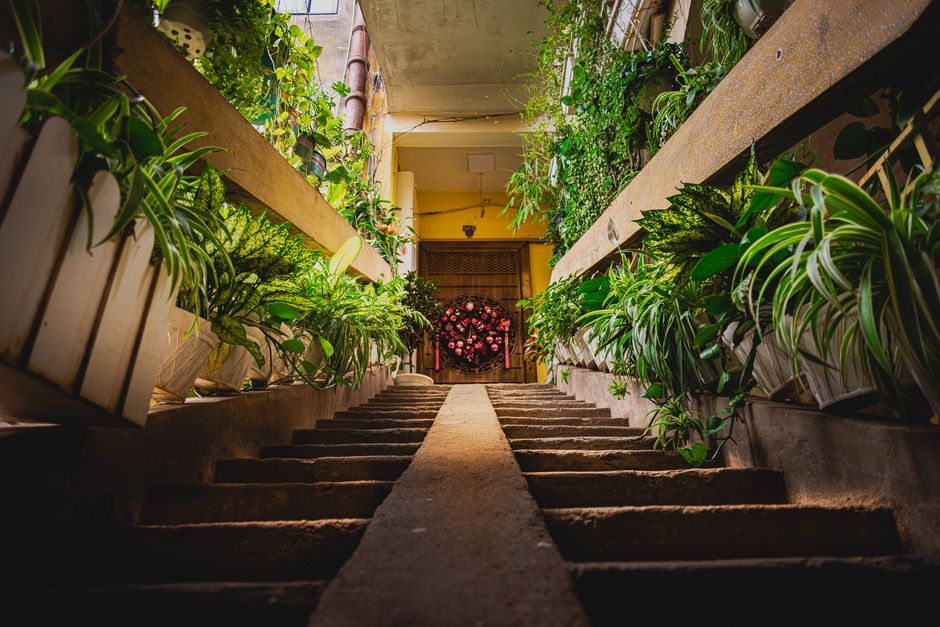
Los Patios has two locations in Manila (El Poblado) and Laureles. Both market themselves heavily on sustainability. The Manila location is the stronger one for actual eco-practices. The Laureles spot is newer but less committed.
What Los Patios Manila does right: They have a rooftop garden that supplies some of their herbs and greens. Their recycling is genuinely separated — I watched staff take glass, plastic, and organic waste to different bins every morning. They’ve installed low-flow showerheads in the newer dorm bathrooms. The breakfast includes local panela, arepas from a nearby bakery, and coffee from a cooperative in Ciudad Bolívar, Antioquia. Not a generic Nescafé situation.
What they don’t do: Hot water is still gas-heated. The air conditioning in private rooms runs constantly and there’s no smart thermostat or guest education about it. For a hostel that charges $18-22 USD per dorm bed (2026 prices), some of that margin should be going toward solar.
Verdict: Los Patios Manila is a solid 7/10 on actual sustainability. Good for solo travelers who want social atmosphere without complete eco-compromise. The rooftop bar is genuinely great for meeting people. But don’t expect perfection.
Viajero Medellín Hostel: Better Vibe, Similar Claims
Viajero sits in El Poblado, about a ten-minute walk from Parque Lleras. It’s part of a Latin American chain that has been pushing a “conscious travel” angle since 2026. Some of it is real. Some of it is corporate branding.
The real parts: Viajero has eliminated single-use plastics in their kitchen and bar. They use refillable water stations (filtered, cold, actually works). Their staff training includes waste separation, and the bins are clearly labeled in Spanish and English. They compost organic kitchen waste and use it in a small on-site garden. The dorm beds have individual reading lights with motion sensors, which cuts energy use more than you’d think.
The less real parts: Their “community tourism” partnerships are mostly just organized pub crawls and a walking tour that ends at a souvenir shop. That’s not community tourism, that’s a sales funnel. The building itself is an older structure with poor insulation — they run fans constantly in common areas to compensate. A truly green renovation would have addressed that.
Price check: Dorm beds at Viajero run $14-17 USD. Private rooms start around $45. For the location and social scene, that’s competitive. Just know you’re paying for atmosphere more than environmental commitment.
Comparison Table: What You’re Actually Paying For
| Hostel | Dorm Price (USD, 2026) | Real Eco Features | Greenwashing Flags | Best For |
|---|---|---|---|---|
| Los Patios Manila | $18-22 | Rooftop garden, separated recycling, local breakfast sourcing | Gas hot water, no AC controls | Social solo travelers who want eco without sacrificing comfort |
| Viajero Medellín | $14-17 | No single-use plastics, composting, motion-sensor lights | Weak community tourism claims, poor insulation | Budget solo travelers who want a party-adjacent vibe |
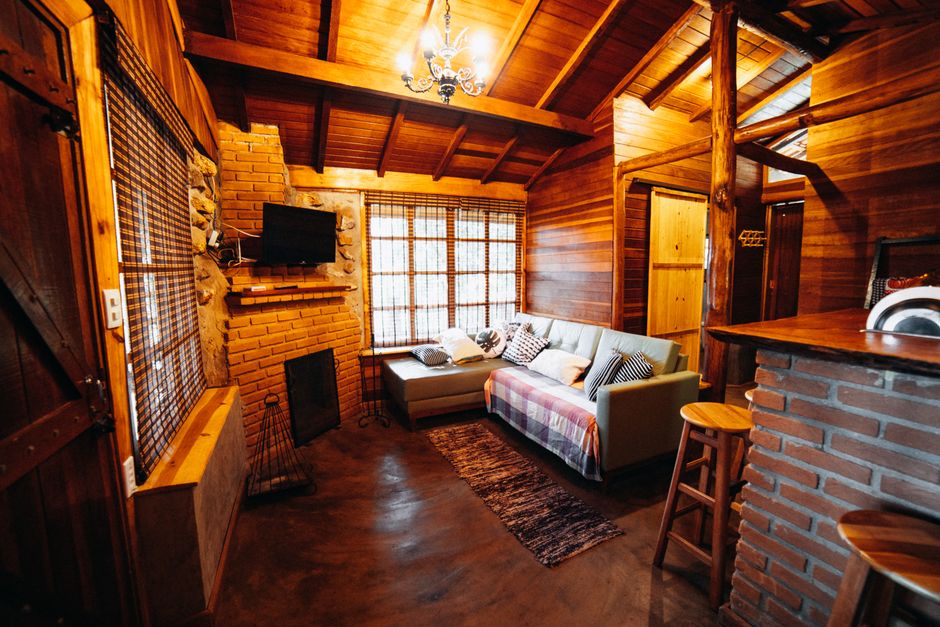
| Hostel Rango Boutique | $20-25 | Solar water heating, biodegradable toiletries, local art program | Smaller property, limited common space | Older solo travelers (30+) who want quieter eco-stays |
| Yellow House Hostel | $12-15 | Community garden, bike rentals, minimal plastic | No formal waste program, inconsistent recycling | Long-stay solo travelers on tight budgets |
I stayed at all four. The table reflects what I observed, not what their websites claim.
Hostel Rango Boutique: The Underrated Pick
Hostel Rango is in Laureles, not El Poblado. That’s the first thing to know. If you want the party scene, this isn’t your spot. If you want a quieter, genuinely eco-conscious stay, it might be the best option in the city right now.
Here’s why Rango impressed me: They have actual solar water heating. I checked the roof. The panels are there, connected, and functioning. Hot showers run off the sun, with a gas backup only during heavy rain stretches. That’s rare in Medellín hostels. Their toiletries are biodegradable and locally made — the soap comes from a small producer in Envigado. They run an art program that pays local artists to display and sell work in the hostel, taking zero commission. That’s the kind of community integration that sounds small but actually matters.
The tradeoff: Rango is small. Maybe 20 beds total. Common space is limited to a kitchen and one lounge. If you’re a solo traveler who wants to meet a dozen people on day one, this won’t scratch that itch. If you want to read, work remotely, and sleep without noise, it’s perfect.
Prices are slightly higher than Viajero but you’re getting more real sustainability per dollar. Dorm beds at $20-25 USD feel fair for what’s delivered. Private rooms with ensuite bathrooms start at $55.
When You Should NOT Book an Eco-Hostel in Medellín

I’ll say this directly: eco-hostels in Medellín are not for everyone. If you’re traveling during the rainy season (April-May and September-November), solar water heating at places like Rango can be inconsistent. You might get a lukewarm shower. That’s the tradeoff. If you need guaranteed hot water every single time, book a standard hostel or hotel and compensate by choosing one with good recycling programs.
Also, if you’re a light sleeper, be aware that eco-hostels often have more open-air ventilation (less AC). That means street noise. Los Patios Manila is on a busy road. Viajero has thin windows. Earplugs are non-negotiable.
And if your primary goal is partying, just book wherever is cheapest in El Poblado. The eco-angle won’t improve your hangover. The sustainability features are wasted on someone who’s out until 4 AM every night. Be honest with yourself about what you’re actually there for.
My Actual Recommendation for Solo Travelers in 2026
Book Los Patios Manila if you want the social experience and a solid, if imperfect, eco-commitment. The rooftop bar, the organized activities, the constant flow of solo travelers — it’s the easiest place to plug in. The sustainability is real enough that you won’t feel like a hypocrite staying there.
Book Hostel Rango Boutique if you’re 30+, want actual quiet, and care about solar water heating and genuine local integration. It’s the only hostel I reviewed that I’d call truly eco-first rather than eco-marketed. The Laureles neighborhood is also better for food — more local restaurants, fewer tourist traps.
Skip Viajero unless you’re on a tight budget and don’t care about the gap between their marketing and reality. The composting is nice. The pub crawl dressed up as “community tourism” is not.
A note on getting around: Medellín’s metro system is excellent and cheap (about $0.80 USD per ride). Every hostel I mentioned is within a 15-minute walk of a metro station. Use it. The city’s biggest environmental problem is traffic, and every taxi you skip helps more than any bamboo straw.
One more thing. If you’re coming from outside Colombia, your phone plan will matter for navigating, translating, and booking transit. I used an Airalo eSIM for Colombia — 2GB for $9.50 USD, activated before I landed. It worked flawlessly on the Metro and in Laureles. For a solo traveler, having data without hunting for a Claro store at the airport is worth the slight premium.
The single most important takeaway: Medellín’s best eco-hostel for solo travelers in 2026 is Hostel Rango Boutique if you value real sustainability over social hype, but Los Patios Manila wins if you need both community and a credible green effort.