
You land in Christchurch with ten days, a summer rental car, and a list that somehow includes Aoraki / Mount Cook, Queenstown, Milford Sound, Wanaka, and the West Coast. The map makes the route look manageable. It is not. Mountain roads, slow scenic stretches, full campsites, changing weather, and long daylight hours can turn an ambitious itinerary into a tiring one.
January is a strong month for a South Island drive, but only if you build around travel time instead of treating every blue line on the map as a quick transfer.
Is January a good time to visit New Zealand’s South Island?
What January weather actually gives you
January is summer, yet “summer” does not mean stable beach weather across the whole island. Inland areas around Queenstown, Cromwell, and Lake Tekapo can have warm afternoons, cold nights, strong sun, and sudden wind. Earth Sciences New Zealand describes inland summer daytime highs as commonly reaching 20°C to 26°C, with occasional temperatures above 30°C. The West Coast is a different proposition: it sits on the wet side of the Southern Alps, while the east is much drier. Pack for both climates in one day.
A light fleece, waterproof shell, sun hat, sunglasses, and high-factor sunscreen earn their space. So does a small dry bag. A clear morning at Milford Sound can become a wet afternoon, and a bright walk near Aoraki / Mount Cook offers little shade. Check the local forecast each morning rather than relying on the weather in your previous town. NIWA’s climate overview explains why conditions change so sharply across the island.
Why peak season changes the trip
January brings long daylight hours and busy roads. Popular walks, scenic cruises, holiday parks, and DOC campsites can fill early, especially around New Year and the middle of the month. The best route is not the one with the most stops. It is the one that leaves enough room for one delayed ferry, wet-weather change, or slow mountain crossing.
Verdict: January is the best month for a first South Island road trip if you value long days and accessible walking trails. It is a poor choice for an improvised trip with no bookings and a promise to “decide later.”
What is a realistic South Island road-trip route?
A 10-day route that does not pretend roads are motorways
| Days | Overnight base | Main drive | Best use of the day |
|---|---|---|---|
| 1 | Christchurch | Airport to city | Recover, buy food, inspect the vehicle |
| 2 | Lake Tekapo | Christchurch to Tekapo, about 3 hours | Lake walk and stargazing |
| 3 | Aoraki / Mount Cook | Tekapo to Mount Cook, about 1.5 hours | Hooker Valley or shorter alpine walk |
| 4 | Queenstown | Mount Cook to Queenstown, about 3.5 hours | Scenic transfer, easy evening |
| 5 | Queenstown | Local driving | Rest day, lake, or booked activity |
| 6 | Te Anau | Queenstown to Te Anau, about 2 hours | Position for Milford Sound |
| 7 | Te Anau | Return from Milford, often 8-10 hours total | Cruise and road stops |
| 8 | Wanaka | Te Anau to Wanaka, about 3.5 hours | Flexible lake day |
| 9 | Christchurch | Wanaka to Christchurch, about 5 hours | Long transfer with breaks |
| 10 | Christchurch | Local driving | Buffer before departure |
What this route leaves out
This plan leaves out the West Coast because adding Franz Josef, Hokitika, or Punakaiki to a 10-day loop creates too many long transfers. If the glaciers and rainforest matter more than Milford Sound, replace Te Anau with Franz Josef and drive north through Arthur’s Pass. Do not bolt both regions onto the same short trip.
A working budget for two people might look like this: NZ$900–1,500 for a compact rental, NZ$450–700 for fuel, NZ$1,000–2,000 for simple accommodation, and NZ$300–700 for food and paid activities. These are planning ranges, not live quotes. January rates change by pickup date, insurance choice, vehicle supply, and the number of one-way fees.
Bottom Line: For ten days, choose either the central lakes plus Fiordland route or the central lakes plus West Coast route. The central lakes and Milford combination is the stronger first-trip choice because it limits backtracking.
What mistakes ruin a January South Island drive?
Five problems to remove before departure
- Underestimating drive time: A 200-kilometre day can take four hours once hills, photo stops, road works, livestock, and slower traffic appear. Add a 20-minute break every two hours.
- Booking only the first night: Peak-season campsites may have no spare space. Book serviced sites and popular DOC locations early, then keep one flexible night for weather.
- Driving Milford Sound as a casual day trip: Queenstown to Milford and back is a very long day. Te Anau is the sensible base, and an organised coach can be safer for tired drivers.
- Ignoring the rental agreement: Check whether gravel roads, ferry crossings, one-way travel, and additional drivers are covered. The cheapest headline rate can carry a large excess or extra fee.
- Relying on mobile data everywhere: Download offline maps, save accommodation addresses, and carry enough water and food for a delayed road section. Alpine valleys and remote stretches can have weak coverage.
Driving rules visitors often miss
New Zealand drives on the left. Narrow roads, single-lane bridges, sharp bends, and changing weather make the posted speed less useful than the road surface ahead. Keep left, slow down before corners, and never stop in a passing lane for a photograph. If your overseas licence is not in English, carry an approved translation or International Driving Permit with the original licence. Check NZTA’s current visitor driving rules before pickup.
Verdict: The costly mistake is not missing one viewpoint. It is scheduling a five-hour transfer after a poor night’s sleep, then adding a mountain road because the map looked short.
How should you handle campsites, ferries, and bad weather?
Do I need to book DOC campsites?
Often, yes. DOC says all serviced campsites and some scenic or standard campsites need bookings during peak season, which usually runs from 1 October to 30 April. Some sites remain first come, first served, but that is a gamble in January. Use the official booking page, check the site category, and confirm whether your vehicle meets self-containment rules. A campsite pass does not remove the need to book a site that requires reservations. See DOC’s booking and payment rules before relying on a pass.
What should change when rain or wind arrives?
Build two spare half-days into a ten-day trip. Use them for a delayed Milford drive, a wet walk, or a road closure. Do not force an exposed hike because the reservation is non-refundable. Check road conditions before leaving, keep the fuel tank above half on remote routes, and move the longest transfer to the clearest forecast. For a ferry connection or flight, leave a full buffer day rather than trusting a perfect timetable.
Verdict: A flexible night has more value than another attraction booking. It protects the trip from the weather that January cannot guarantee.
Which South Island road-trip plan gives the best value?
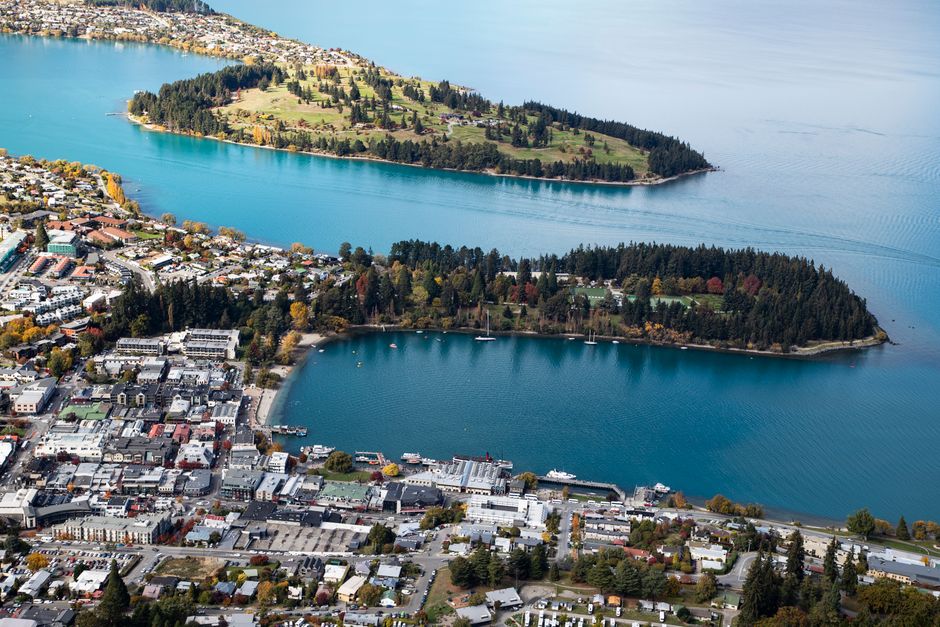
Compare the three sensible choices
| Plan | Best for | Main tradeoff | My verdict |
|---|---|---|---|
| Central lakes and Milford | First-time visitors with 9-12 days | Long Milford day and peak-season demand | Best overall route |
| Central lakes and West Coast | Rainforest, glaciers, and dramatic coast | More weather exposure and long transfers | Best for landscape variety |
| Queenstown and Wanaka base trip | Short trips or nervous drivers | Fewer regions, less packing | Best for low stress |
The final call
Choose the central lakes and Milford route if this is your first South Island visit and you have ten days. It delivers the strongest mix of alpine scenery, manageable towns, short walks, and one major Fiordland experience without making the entire holiday a vehicle transfer.
Choose the West Coast instead when glaciers, rainforest, and wet-weather scenery are the reason you came. Choose a Queenstown–Wanaka base when you have seven days, dislike daily packing, or would rather pay for a slower trip than chase every famous viewpoint. January rewards that restraint. The best itinerary is the one that still works when one forecast, booking, or road section does not.
Bottom Line: For most travellers, book the compact car, sleep in Te Anau before Milford, reserve peak-season campsites, and keep one buffer day. That combination protects both the budget and the experience.