
Your alarm rings at 4:30 a.m. in Siem Reap. You expected cool air, empty paths, and an easy sunrise at Angkor Wat. Instead, the hotel lobby is full, your temple list has eight names on it, and nobody has decided where to stop for water. January gives you excellent weather, but it also brings peak crowds and packed schedules. The smart plan is not to see every famous temple. It is to protect the best light, limit backtracking, and buy only the access you will use.
Why January is popular, and where the trade-off hides
January is the strongest month for predictable temple weather. Siem Reap averages about 31°C during the day, around 20°C at night, and roughly 4 mm of rain. That makes early starts comfortable and muddy paths less likely. The cost is demand: January sits inside the busy dry-season window, so popular viewpoints, tuk-tuks, hotels, and restaurants fill faster than many first-time visitors expect.
What the dry season gives you
Dry ground makes the outer circuits easier, especially around uneven stone paths and smaller ruins. Clear mornings also improve the odds of sharp sunrise photographs. Pack one light layer for dawn, but plan for strong sun by late morning. The official Siem Reap climate guidance lists January as one of the coolest and driest months, not a cool-weather destination in the European sense.
What January does not guarantee
Dry season does not mean quiet temples or mild afternoons. A 5:00 a.m. park entry can still lead to heat, dust, and crowded corridors by 9:00. Treat crowd levels as a planning factor, not an unpleasant surprise. Reserve accommodation and transport early, then leave one flexible block each afternoon.
| January factor | Planning effect | Practical response |
|---|---|---|
| About 31°C daytime | Heat builds after breakfast | Finish major outdoor walking before noon |
| About 20°C nighttime | Dawn can feel cool | Carry one thin long-sleeve layer |
| About 4 mm rain | Low rain risk, not zero | Keep a light rain cover in your day bag |
| Peak visitor season | Famous sites get congested | Start early and group temples by area |
How many Angkor temple days should you buy?
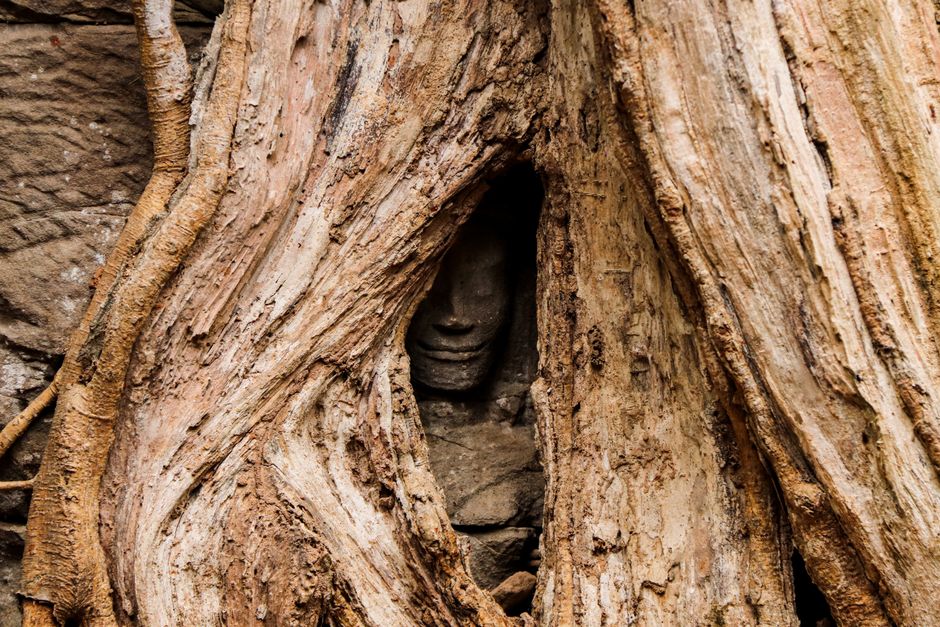
For most travellers, the clear choice is the 3-day pass. It costs more than one day but gives enough time to see the core circuit, visit an outer temple, and keep one morning flexible if heat or crowds ruin the original plan.
The one-day pass is for a tight schedule
Angkor Enterprise lists the 1-day Angkor pass at $37, with access from 5:00 a.m. and park closing at 6:30 p.m. Choose it only if Angkor is a stopover or your trip truly allows one temple day. You can cover Angkor Wat, Bayon, and Ta Prohm, but the schedule will feel compressed. Do not add Banteay Srei to the same day unless you accept long vehicle time and a rushed visit.
- One day: Buy the $37 pass and stay on the central loop.
- Two days: Buy the $62 3-day pass rather than two $37 passes. It costs $12 less and allows use across a seven-day validity window.
- Three days: The $62 3-day pass is the strongest value for a first visit.
- Four to seven days: The $72 7-day pass makes sense only for slow exploration, repeat visits, or a photography-focused trip.
Read the expiry rule before paying
The 3-day ticket is valid for seven days, while the 7-day ticket is valid for 30 days. Buy through the official Angkor Enterprise ticket office; the authority warns that tickets from other sellers are not valid. That warning matters more than a small discount. A cheap invalid ticket is a full loss.
How to build temple days around light and heat
The most reliable Angkor itinerary uses time and geography together. Put the most important temple first, the farthest temple on its own route, and the least demanding stop after lunch. This reduces the two mistakes that damage January visits: spending your best energy in a vehicle and saving major ruins for the hottest hour.
A workable three-day rhythm
On day one, enter early for Angkor Wat, then continue to Bayon and Ta Prohm while your legs are fresh. Take a proper lunch and return to Siem Reap for a break instead of forcing a late-afternoon march through more ruins. On day two, travel farther. Banteay Srei rewards a morning visit, while Preah Khan or another northern temple can fill the return route. Check the day’s driving time before committing to both. On day three, revisit the temple you liked most or choose a quieter group of ruins with shorter walking distances.
| Time | Suggested use | Reason |
|---|---|---|
| 4:45–6:30 | Leave Siem Reap and enter the park | Beat heat and reduce queue pressure |
| 6:30–10:30 | Primary temples and detailed photography | Best energy and softer light |
| 10:30–14:30 | Lunch, shower, and rest | Protects against heat fatigue |
| 14:30–17:30 | One nearby temple or a short revisit | Keeps the afternoon manageable |
Why a midday break beats heroic pacing
Stone surfaces reflect heat, and temple routes include stairs, sand, and uneven ground. A traveller who pushes through lunch often becomes slower, irritable, and less careful around fragile carvings. A two-hour reset costs less time than abandoning the final day because of sore feet or dehydration. Keep the final afternoon light; January sunsets are not worth turning the entire itinerary into a race.
Which Angkor shortcuts are poor value?
January creates pressure to buy speed: more temples, earlier departures, and every possible add-on. A consumer-friendly plan rejects the extras that do not solve a real problem.
Should you visit every famous temple in one day?
No. Angkor Wat, Bayon, and Ta Prohm already create a full central-circuit day when you allow time for walking, photographs, water, and a meal. Adding a distant temple turns the itinerary into transport logistics. The clear alternative is a second morning, not a faster pace.
Should you buy the 7-day pass for flexibility?
Only if you will genuinely use it. The $72 price is attractive against repeated 1-day tickets, but a two-day visitor pays for access that never gets used. The 3-day pass covers most first visits and remains valid for seven days, which supplies useful flexibility without overbuying.
Should you rely on sunrise alone?
No. Sunrise is a lighting event, not a guarantee of an empty foreground or dramatic colours. Clouds, crowds, and camera positions vary. Plan the early entry because it protects your energy and light, then judge the result when you arrive. Follow the APSARA visitor code: cover shoulders and knees, avoid climbing or touching carvings, and give worshipers space.
January mistakes that can ruin an otherwise good visit
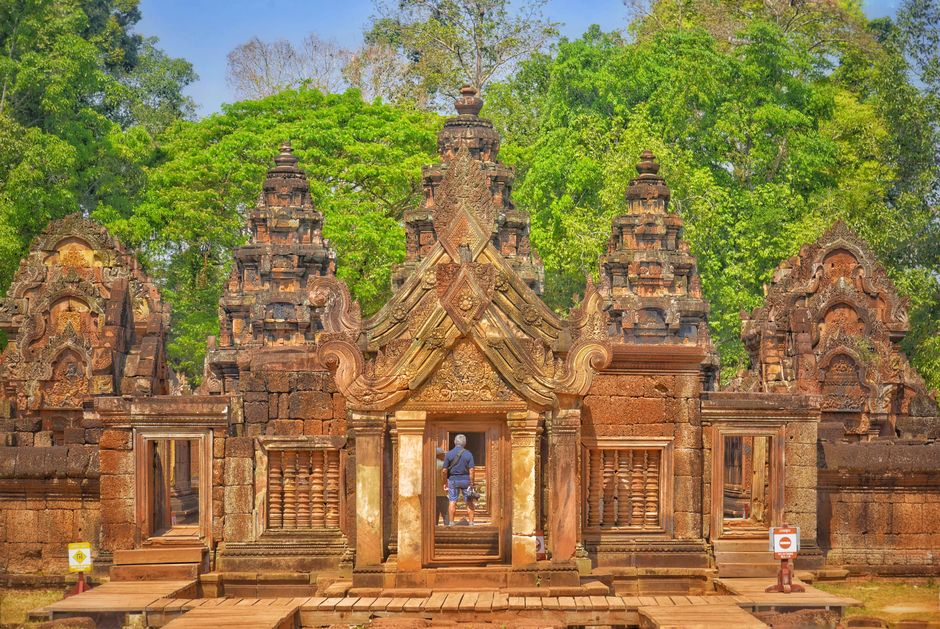
The best January plan is the one that leaves room for heat, crowds, and a change of mind. A perfect timetable is less useful than a short route you can actually finish with attention and patience.
Five failures to avoid
- Buying a pass from an unofficial reseller because the price looks lower.
- Scheduling an outer temple immediately after a dawn circuit without checking driving time.
- Carrying too little water because the morning feels cool.
- Wearing open footwear on sandy paths and uneven stone stairs.
- Leaving temple-appropriate clothing at the hotel and hoping rules will be relaxed.
Return to the 4:30 alarm
That traveller in the crowded hotel lobby does not need a more ambitious list. They need the 3-day pass, one central route, a bottle, a light shirt, and a planned midday break. By 5:15 a.m., the choice is simple: enter early, see the first major temple well, and keep enough energy for tomorrow. That is what visiting Angkor in January should feel like—structured enough to work, flexible enough to remain enjoyable.