
Can you still hike Taroko Gorge this spring, and what should you do in Hualien if a famous trail is closed? The short answer is yes, but the trip needs a different plan from older guidebooks. The April 3, 2024 earthquake and later storms damaged major roads, tunnels, and trails. Some areas have reopened in stages, while others remain closed or operate under strict traffic controls.
For travel purposes, treat every official trail notice as controlling, check it again shortly before departure, and build one flexible day into your schedule.
Which Taroko Gorge trails are open this spring?
Verdict: Plan for a partial Taroko visit, not a full gorge traverse. The safest spring itinerary uses officially open areas such as the Taroko Visitor Centre, selected Tianxiang paths, and the partially reopened Lushui section. Do not book a trip around Shakadang, Swallow Grotto, Tunnel of Nine Turns, Baiyang, or Zhuilu Old Road unless the park authority has specifically announced that your route is open for your dates.
| Area | Spring planning position | Typical use |
|---|---|---|
| Taroko Visitor Centre | Open area used for orientation | Park information, geology, and a cautious start |
| Lushui Trail | Partially open from the Lushui entrance | Short family walk; return at the marked limit |
| Lushui-Wenshan Trail | Partially open to the announced turnaround point | Steeper walk for experienced hikers |
| Tianxiang area | Selected paths and temple areas may be open | Scenery, history, and a slower mountain stop |
| Shakadang and major gorge trails | Do not assume access | Check the official notice before travel |
The Lushui Trail is the most practical replacement for a classic gorge walk when its partial opening applies to your travel dates. The announced open section reaches roughly 250 meters before hikers must turn around, with an estimated 30-minute round trip. The partially open Lushui-Wenshan route reaches a marked point at roughly 450 meters and takes about an hour there and back. Those distances are modest, but the setting is still mountainous. Wet rock, loose material, and sudden weather changes deserve more respect than the mileage suggests.
Road access creates a second limit. Provincial Highway 8 has operated with daytime traffic windows and nightly closures, and the release schedule can change after rain, rockfall, or construction. A taxi, private driver, or charter vehicle is often more practical than assuming a normal sightseeing bus will run through the gorge. A spring visit succeeds when the open areas are treated as the destination, not as consolation prizes.
How should you plan a three-day Hualien itinerary?
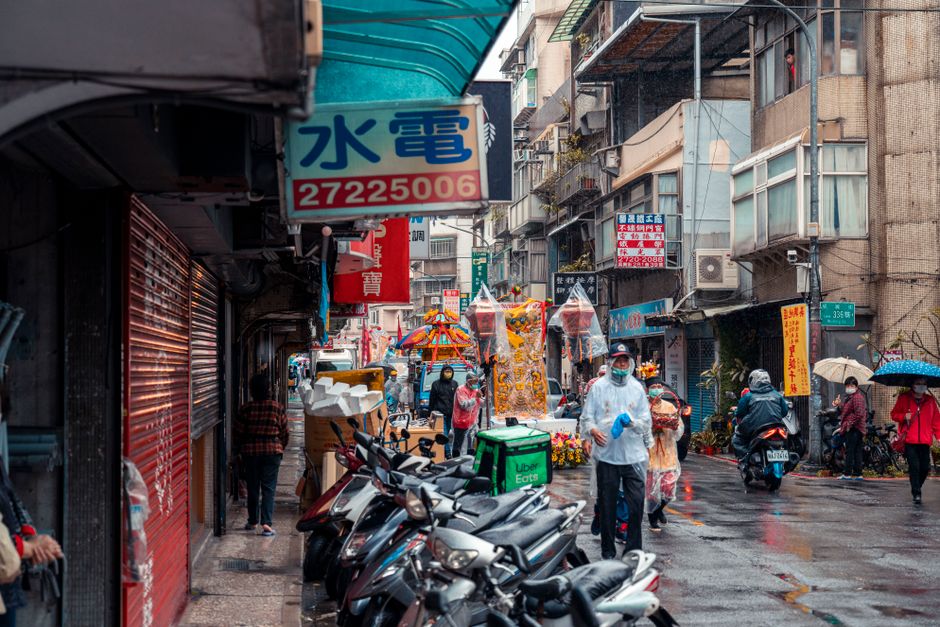
Verdict: Stay in Hualien for at least three nights and place Taroko on the middle day. That arrangement protects the trip from a delayed train, a closed road, or a storm that makes mountain travel unwise.
- Day one: arrive and learn the city. Take the train to Hualien, check into accommodation near Hualien Station or the city centre, and keep the first afternoon light. Walk through the city, visit Dongdamen Night Market, and buy water and snacks. Avoid using arrival day for a rushed mountain transfer.
- Day two: visit the officially open Taroko areas. Leave early with a reserved vehicle or a confirmed local driver. Start at the Taroko Visitor Centre, then continue only to locations shown as open that morning. If Lushui is open, allow time for the short trail and exhibition area. If road controls prevent access, switch to Chongde or another approved coastal viewpoint rather than waiting beside a closed gate.
- Day three: choose coast, culture, or a lower-risk walk. Visit Qixingtan for a shoreline morning, then explore Hualien food stalls, small museums, or a local Indigenous cultural experience. The Pacific coast gives the trip its own identity; Hualien should not be treated only as a base for Taroko.
Keep departure times conservative. A mountain road that appears to take 45 minutes on a map can consume much longer when traffic is released in stages. Ask your driver exactly where the vehicle can wait, which road section is controlled, and what happens if the final return window is missed. Do not plan a late dinner reservation in Taipei on the same day as a Taroko excursion.
For travellers arriving from Taipei, the railway is usually the cleanest first move because it avoids the long mountain drive. Reserve seats early during weekends and public holidays. Hualien is also a useful base for recovery: if rain closes the gorge, you still have food, coast, markets, and cultural stops instead of a wasted hotel night.
Why does spring weather change the hiking decision?
Verdict: Choose the trail only after checking rain, road, and park notices on the same day. Spring is attractive because temperatures are often comfortable, but comfortable air does not mean stable mountain conditions. Hualien can feel warm and bright while Taroko has wet rock, cloud, strong wind, or a road closure several kilometers away.
Rain changes the risk, not just the view
Rain matters in a marble gorge because water can loosen material above the road and trail. A shower also reduces grip on polished stone and makes river levels harder to judge. The correct response is not to race through the route before the next cloud arrives. It is to shorten the outing, stay behind barriers, and accept a lower viewpoint when conditions deteriorate. Never stand beneath unstable slopes for a better photograph.
After prolonged rain, an official road may still be temporarily restricted while crews inspect it. That delay is a safety decision, not poor service. Travellers who treat a reopening time as a guarantee often create the worst pressure: they hurry, argue with staff, or try to enter a closed section before dark.
Build a decision rule before leaving Hualien
Use a simple three-part test. First, check the Taroko National Park trail announcement. Second, check the Highway Bureau traffic notice for Provincial Highway 8. Third, check the Central Weather Administration forecast for Hualien and the mountain area, not just the city. If any one of those checks raises a serious concern, use the coastal plan.
- Cancel a gorge hike after heavy rain, an earthquake alert, or a typhoon-related warning.
- Turn around when visibility drops, rockfall appears, water rises, or a barrier blocks the route.
- Carry enough food and water for delays because shops and services are limited in controlled areas.
- Tell your accommodation or driver your route and expected return time.
The common mistake is treating a short trail as automatically easy. A 30-minute walk can still involve wet surfaces, heat, exposure, and a long wait for transport afterward. Spring planning should reward restraint. The best photograph is not worth stepping outside an official boundary.
What should first-time visitors ask before going?
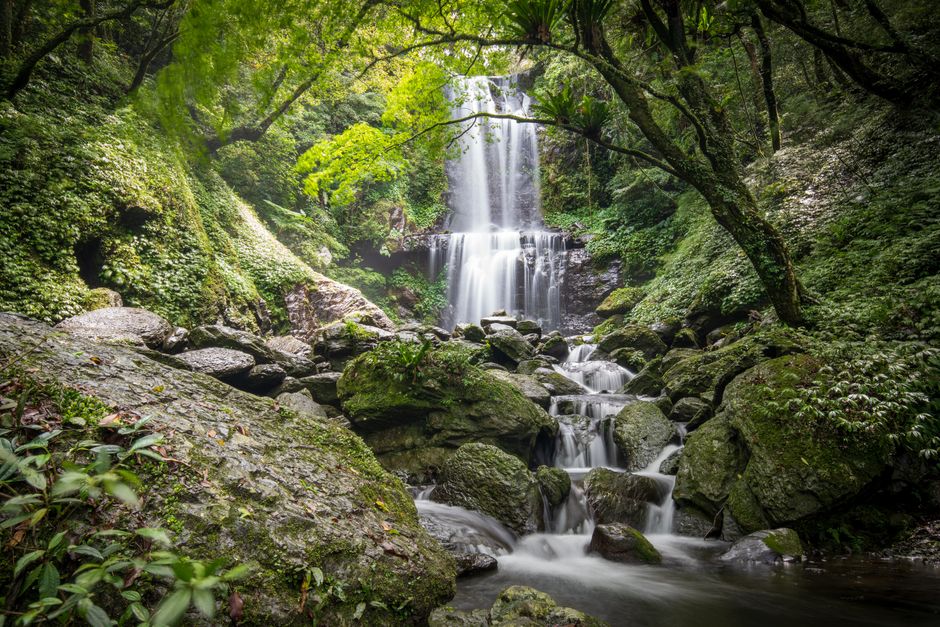
Verdict: Ask practical questions before leaving Hualien, and you will avoid most spring-trip failures. The answer to each question should change your itinerary if conditions require it.
Can I visit Taroko Gorge without hiking?
Yes. The visitor centre, approved viewpoints, cultural sites, and open sections can still provide a meaningful visit. A trip does not fail because a famous trail remains closed. It fails when travellers enter restricted areas or spend the whole day waiting for a road window that never arrives.
Should I rent a scooter?
Use a scooter for Hualien city and nearby coastal stops only if you have the correct license, insurance, and riding experience. A scooter is a poor choice for a changing mountain road with traffic controls, rockfall risk, and limited shelter. For Taroko, a confirmed driver or charter is the better option for most international visitors.
What if my planned trail closes?
Switch to Qixingtan, Chongde, city food stops, or a cultural visit. Do not replace a closed gorge trail with an unmarked route found in an old blog post. Trail names and access conditions can change after an earthquake or storm, and an attractive map pin is not proof of legal or safe entry.
How do I know the plan worked?
Return before the road window closes, stay on open paths, and leave with enough time for Hualien’s coast and food scene. That is the right resolution to the opening question: yes, Taiwan in spring can include Taroko and Hualien, but the strongest itinerary respects present access instead of chasing a pre-earthquake version of the park.