
The common misconception is that the Amalfi Coast becomes quiet in May. It does not. The main towns still fill around midday, especially Positano and Amalfi, but May gives you cooler walking weather, longer daylight, and more room before the peak summer rush. The trick is not finding an empty coast. It is arranging each day so you visit the busiest places early, move by sea when possible, and save quieter villages for the afternoon.
Why May works better than July for Amalfi
What the weather actually feels like
May is one of the best months for an active Amalfi Coast trip. Daytime temperatures often sit around 20 to 24°C, while evenings can fall to 14 to 17°C. The sea may still feel cool, but sunny afternoons are comfortable for terraces, boat rides, and long walks between villages. Rain remains possible, so a light waterproof layer earns space in your bag. You do not need heavy summer clothing for every day.
May also gives you useful daylight. Sunrise arrives before 6 a.m. and sunset is close to 8:30 p.m. by the end of the month. That makes a 7:30 a.m. walk realistic without sacrificing dinner. July brings hotter pavement, stronger sun, higher accommodation prices, and more pressure on the coastal road. For travelers who want to walk, photograph, and eat at a normal pace, May is the clear winner.
How much quieter is the coast?
Expect popular locations to be busy, but not locked into peak-season traffic all day. The table below shows a realistic planning comparison rather than an official visitor count.
| Place or activity | Best May window | What to expect |
|---|---|---|
| Path of the Gods | Before 9:00 a.m. | Cooler air and fewer organized groups |
| Positano streets | Before 10:30 a.m. or after 5:00 p.m. | Busy at midday, calmer near sunset |
| Amalfi Cathedral | 8:30 to 10:00 a.m. | Shorter lines before day-trippers arrive |
| Ferry from Salerno | Morning departures | 35 minutes to Amalfi and about 70 minutes to Positano |
The Travelmar timetable lists 2026 fares of €12 from Salerno to Amalfi and €17 from Salerno to Positano. Those prices make the ferry a practical transport choice, not just a sightseeing extra. Check the official 2026 fare sheet before traveling because weather can change sailings.
How to plan a five-day Amalfi Coast itinerary
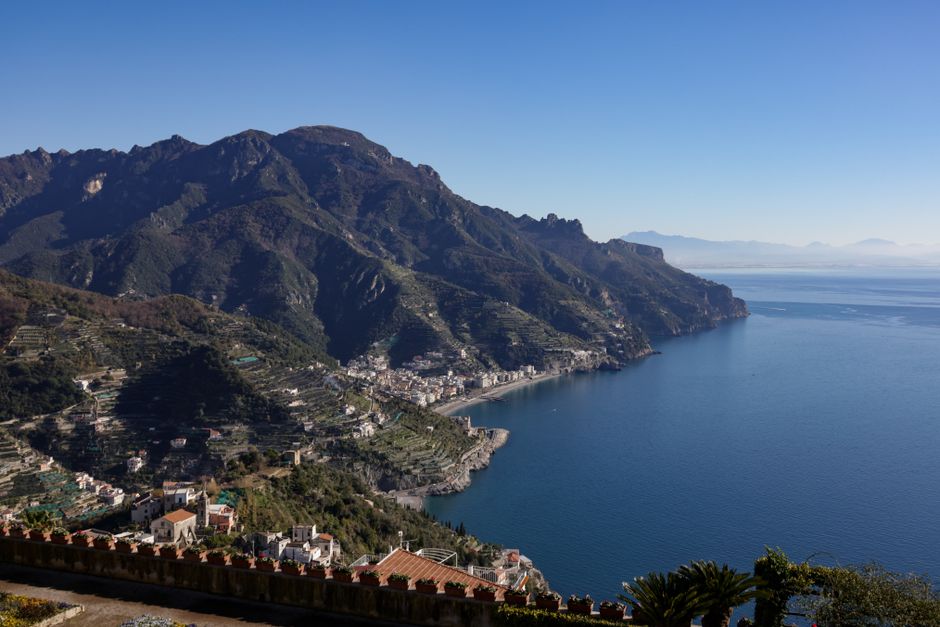
Base yourself in Salerno for the simplest May trip. It has frequent rail connections, a working waterfront, and direct ferries into the coastal towns. Staying in Positano can be beautiful, but it makes arrival harder, raises the room bill, and forces you to manage luggage on steep lanes. Salerno gives you more control over the schedule.
Use this day-by-day structure
- Day one: arrive in Salerno. Keep the first afternoon easy. Walk from the station toward the historic center, eat near Via dei Mercanti, and check the next morning’s ferry or bus conditions. Avoid adding Positano after a long international flight.
- Day two: visit Amalfi and Atrani. Take an early ferry to Amalfi, see the cathedral before the main crowds, then walk the short coastal route to Atrani. Have lunch away from the main square and return to Salerno by ferry if the sea is calm.
- Day three: hike the Path of the Gods. Start in Bomerano, not at midday in Nocelle. Allow three to four hours for the trail, stops, and the descent. Wear shoes with grip and carry water because shade is limited on exposed sections.
- Day four: choose Positano or the eastern coast. Positano is the stronger choice for first-time visitors who want the famous views. Maiori, Minori, and Cetara are better for a slower day with fewer steep lanes and a more local rhythm.
- Day five: leave room for weather. Keep your final day flexible. Use it for a boat trip, a missed village, or a second walk. A rigid plan fails quickly when ferries pause or rain moves across the coast.
Build every day around one major move
Do not schedule a hike, three villages, a beach visit, and a restaurant reservation in different parts of the coast on the same day. The roads are slow, and the geography looks easier on a map than it feels on foot. One major transfer plus one focused activity is the right May formula. Start with the longest journey early, then stay in the same area for the afternoon. This protects the part of the day that visitors usually lose to traffic.
How to avoid the mistakes that ruin a May trip
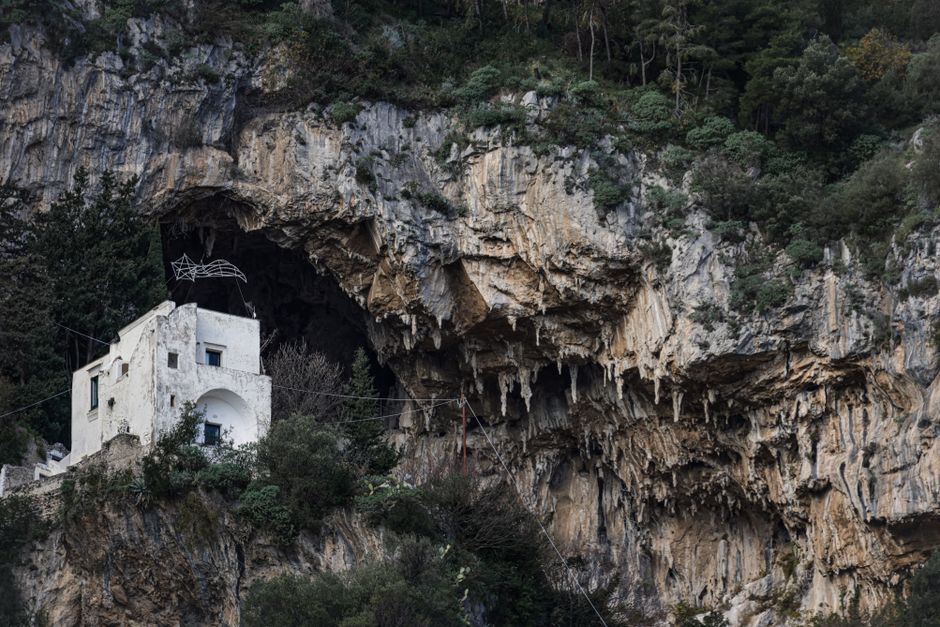
The biggest mistake is treating the Amalfi Coast like a normal road-trip destination. Distance is not the same as travel time here. A short drive can take an hour, and a bus delay can erase a restaurant reservation. The best plans leave space between places instead of trying to collect every famous viewpoint.
Do not trust the coastal road to carry your whole itinerary
Buses are useful, especially when ferries stop because of rough water, but the SS163 road narrows through villages and bends around cliffs. Traffic builds during the late morning and afternoon. If you must use a bus, travel early and stand away from a tightly timed connection. Keep the ferry as your first choice for Salerno, Amalfi, and Positano when the service is running. The sea route is often faster, cooler, and more memorable.
Do not assume every ferry stop operates all month. Some smaller ports receive seasonal service, and schedules can change between April and June. Check the operator’s timetable on the morning of travel. If the sea looks rough, switch to a town day rather than forcing a boat trip.
Do not book the wrong kind of accommodation
A cheap room high above Positano can become expensive if every meal requires a taxi or a long climb. A property beside the sea may look perfect but still sit far from a grocery shop or bus stop. Before booking, check the walking route from the nearest transport stop, the number of stairs, luggage access, and the final departure time. A balcony view is valuable, but reliable access matters more for a five-day trip.
Another failure mode is leaving hiking until the hottest part of the day. Start the Path of the Gods before 9 a.m., carry at least 1.5 liters of water per person, and do not descend in worn sandals. For a non-hiking day, choose Maiori or Cetara instead of forcing yourself through another steep town. The coast has enough variety to reward a slower plan.
Is the Amalfi Coast right for your May trip?
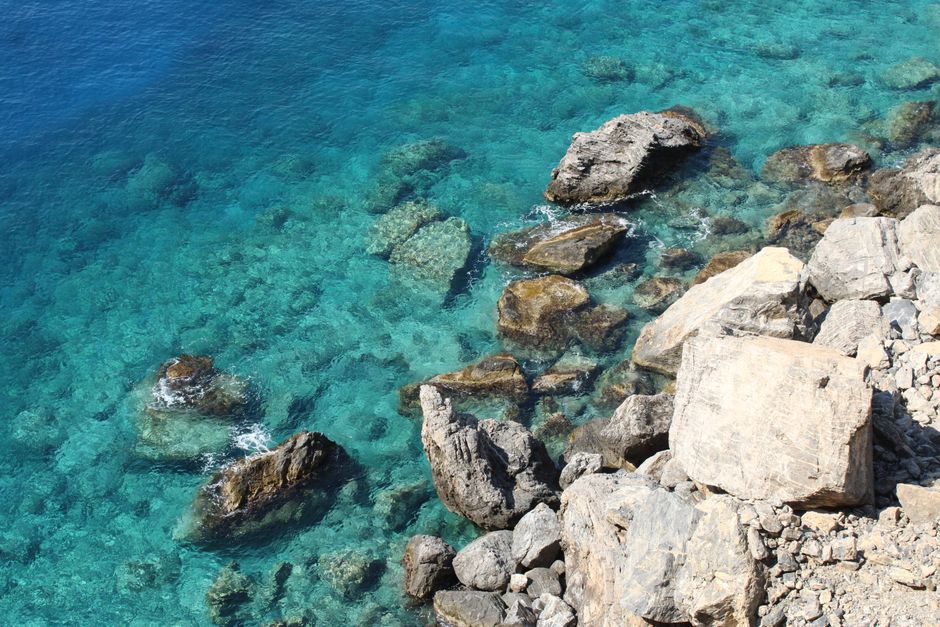
Is May warm enough for swimming?
It can be, especially on a bright afternoon, but the water may feel cool compared with July. Choose May for walking, food, scenery, and boat travel first. Treat swimming as a bonus rather than the main reason to book. If warm water and long beach days are your priority, late June through September is the stronger choice, though it comes with heavier crowds and higher prices.
Should you stay on the coast or in Salerno?
Stay in Salerno if you want simple rail access, better value, and easy ferry connections. Stay in Amalfi if you want to wake inside the coastal landscape and do not mind paying more for a smaller room. Choose Positano only if the view and atmosphere justify steeper prices and more complicated luggage logistics. For most first-time May visitors, Salerno is the best base and Amalfi is the best overnight upgrade.
What is the best backup when the weather changes?
Use the Trenitalia Campania Link connections for inland or Sorrento-area alternatives, then spend the day in Naples, Pompeii, or Herculaneum if the coast turns wet and windy. This flexibility is one reason May works so well: the season is warm enough for outdoor plans but not so hot that a museum day feels like a loss. The Amalfi Coast is becoming easier to explore with ferries, rail links, and better visitor information, but the winning habit remains simple—move early, pack lightly, and leave enough time to notice the places between the famous stops.