
Is May the best month for Cusco and Machu Picchu?
May is my pick for a first trip through Cusco, the Sacred Valley and Machu Picchu. The wet season has usually eased, the hills still look green, and the heavy June-to-August rush has not fully arrived. You can still see showers, but they are less likely to control every day of your plan.
What May feels like at each stop
Peru’s Andes change quickly with altitude. Cusco sits at about 3,399 metres, so sunny afternoons can feel warm while evenings turn cold. The Sacred Valley is lower and often more comfortable for your first full day outside the city. Machu Picchu is lower again, warmer and more humid. Pack for three climates in one route instead of trusting one forecast for the whole region.
| Stop | Approximate altitude | Typical May conditions | Best use of time |
|---|---|---|---|
| Cusco | 3,399 m | Cool nights, bright afternoons, occasional showers | Acclimatize, explore the historic centre and visit nearby ruins |
| Urubamba | 2,870 m | Milder afternoons and warmer nights than Cusco | Use as a gentler base for Sacred Valley villages |
| Ollantaytambo | 2,792 m | Dry-feeling mornings, cool evenings | See the fortress before taking the train |
| Machu Picchu | About 2,430 m | Warm, humid and greener, with possible cloud or rain | Visit the citadel early, then return by train or stay overnight |
Why May beats the peak dry season
June, July and August can bring clearer skies, but they also bring more visitors, higher demand and colder high-altitude nights. May gives you a useful middle ground. The trails and stone terraces still have colour from the rainy months, while mornings often offer the clearest views. The trade-off is simple: accept a small chance of rain and gain a calmer route.
Do not choose May because a website promises perfect weather. Choose it because the month gives you enough dry time for the major sights and enough flexibility to move one outdoor activity if clouds arrive.
How to spend nine days from Cusco to Machu Picchu
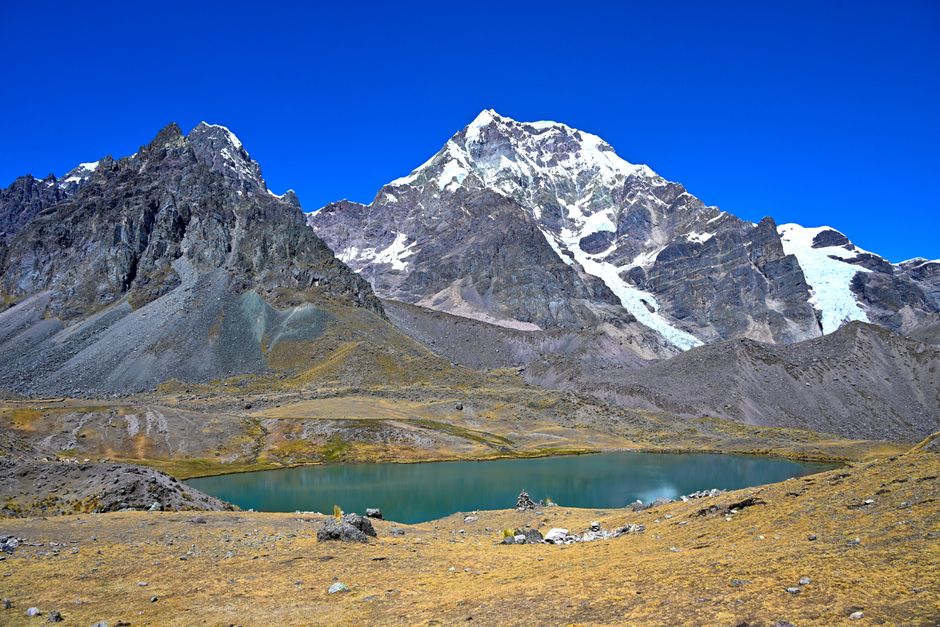
The best route moves slowly at the beginning and saves Machu Picchu for the middle or later part of the trip. That order protects your first days from altitude sickness and gives you a buffer if transport changes.
Days 1–3: acclimatize in Cusco
- Day 1: Arrive in Cusco, drink water, eat lightly and keep walking to a minimum. Sleep in the historic centre so you can reach cafés, pharmacies and museums without long taxi rides.
- Day 2: Take an easy city day. Walk around Plaza de Armas, Qorikancha, San Blas and the nearby streets. Avoid a high-altitude mountain tour on your first morning.
- Day 3: Visit Sacsayhuamán and one or two museums. Keep the afternoon open. If your head feels clear and your breathing is normal, use the extra time for a market visit or a short guided food tour.
This three-day start may look slow on paper, but it prevents the classic mistake of losing a paid excursion to headache, nausea or exhaustion. Cusco itself deserves time. Its Inca walls, colonial buildings, churches and neighbourhoods make the city more than a transport stop.
Days 4–9: move through the valley and ruins
- Day 4: Travel through the Sacred Valley. Visit Pisac or its market, stop for lunch near Urubamba, then continue to Ollantaytambo. Sleep there rather than returning to Cusco.
- Day 5: Explore Ollantaytambo early, then take the train to Machu Picchu Pueblo, also called Aguas Calientes. Staying overnight places you close to the entrance for the next morning.
- Day 6: Enter Machu Picchu during your booked time. Allow several hours for the circuit, then return to Aguas Calientes. Travel back to Cusco only if your transport leaves a large delay buffer.
- Day 7: Keep this as a recovery and weather-buffer day in Cusco. Use it for shopping, museums or a second walk through the historic centre.
- Day 8: Choose one extra activity based on your energy: a lower Sacred Valley village, a cooking class or a short countryside visit. Avoid adding Rainbow Mountain after a poor night of sleep.
- Day 9: Leave Cusco with several hours before your flight. Road traffic and airport queues can turn a short transfer into a stressful final morning.
If you have only five days, remove the full valley loop instead of squeezing every destination into one rushed schedule. Keep two nights in Cusco, one night near Machu Picchu and one spare half-day for delays.
What should you pack for May at high altitude?
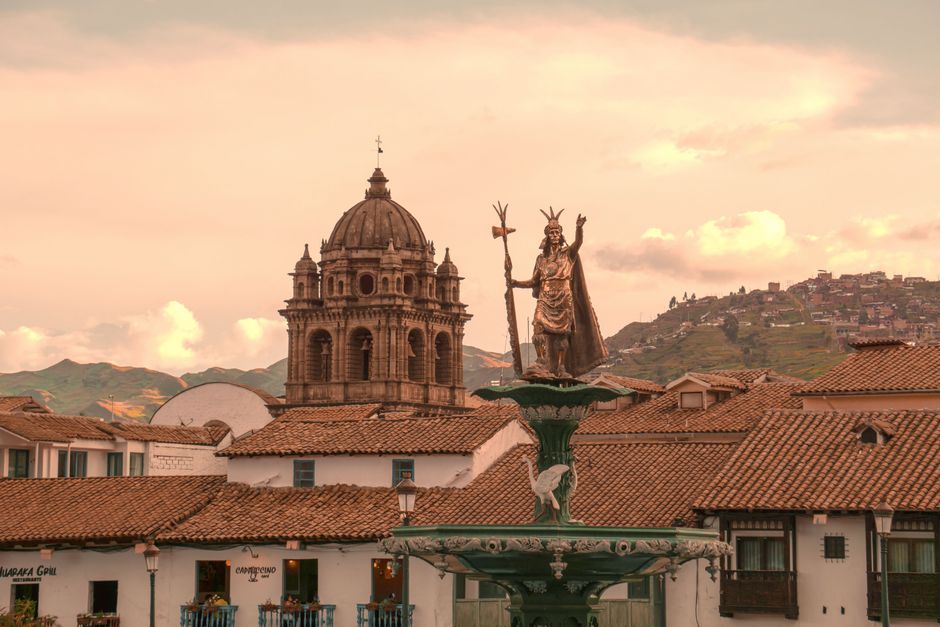
Pack a compact wardrobe with layers, not a heavy suitcase. Cusco can move from bright sun to cold shade in minutes, while Machu Picchu adds humidity and possible rain.
Build a three-layer system
A three-layer system works better than one thick coat. Start with a quick-drying base layer, add a fleece or light insulated jacket for Cusco evenings, and carry a waterproof shell during every outdoor excursion. You can wear it over a fleece without filling your day bag.
For footwear, use broken-in trail shoes or low hiking boots with real grip. Smooth fashion trainers become awkward on wet cobbles, stone stairs and muddy valley paths. Bring two pairs of walking socks and rotate them. A thin sun hat, sunglasses and SPF 30 or higher matter even on cool days because high-altitude sunlight feels strong.
Choose useful gear instead of emergency clutter
- Anker Power Bank 10K Fusion: a 10,000 mAh battery with a built-in cable and up to 30 W output. It is useful on long train days, but charge it fully before leaving your hotel.
- Carry a small dry bag for your passport, phone and ticket. A plastic bag works too. The point is keeping documents dry when a shower arrives halfway through a valley walk.
Leave cotton jeans, a large hard-shell suitcase and new boots at home. They add weight, dry slowly and make stairs harder.
When should you skip the classic Cusco route?
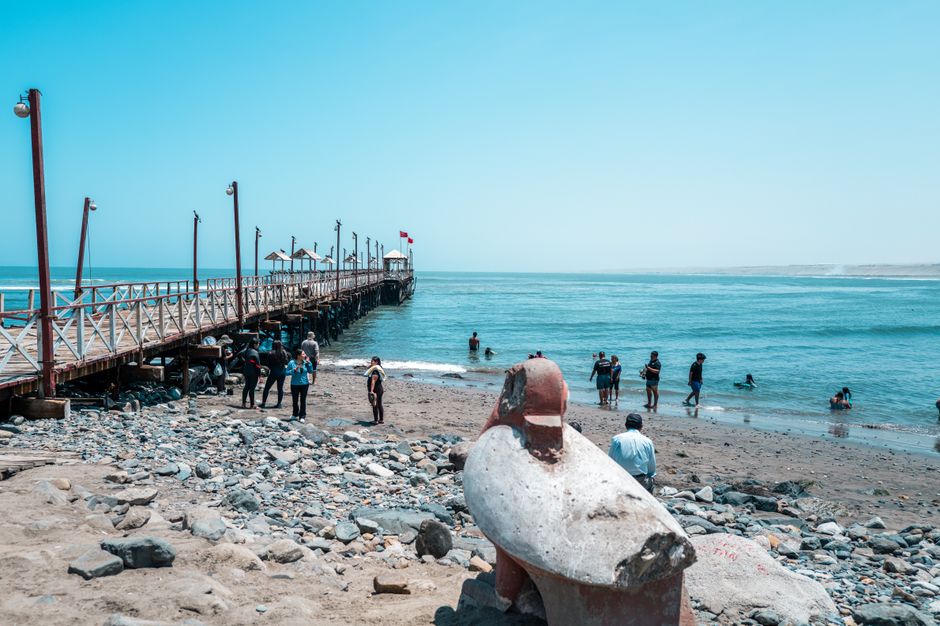
Skip the standard plan if it asks your body or schedule to do too much. Machu Picchu is not improved by arriving exhausted, and a crowded checklist can hide the best parts of the region.
Common mistakes that ruin the route
- Landing in Cusco and immediately booking a high mountain day trip. Spend at least one quiet day acclimatizing.
- Buying the Machu Picchu ticket after booking a non-refundable train. The entry route controls the rest of the day.
- Scheduling Machu Picchu and an international flight on the same date. Delays on the train, road or airport transfer can leave no backup.
- Assuming May means no rain. Carry a shell every day, even when the morning sky is blue.
- Ignoring symptoms at altitude. A strong headache, vomiting, confusion or severe breathlessness means stopping and seeking medical help, not pushing through for a photo.
Choose an alternative when the trip demands it
Choose the train-and-citadel plan if you want the simplest visit with fixed accommodation and no multi-day trek. Choose the Inca Trail, Salkantay or Lares route only when hiking is the main purpose of the trip and you can handle early starts, changing weather and basic facilities. These treks need separate permits, operators and packing plans.
If your holiday is shorter than six days, skip the full Sacred Valley circuit rather than reducing Cusco to one rushed night. If your group includes young children, older travellers or anyone with altitude concerns, sleep in the lower valley before returning to Cusco. For most first-time visitors, the strongest choice is nine days: three nights in Cusco, one night in Ollantaytambo, one night in Aguas Calientes, Machu Picchu on day six and a full buffer day before departure.