
How many days do you need for Iceland’s Ring Road in June?
You land at Keflavík, collect the car, and feel tempted to drive until midnight because the sky still looks like late afternoon. That extra light is useful, but a full Ring Road loop still needs a firm pace. For a first trip, plan nine days and about 1,600 to 1,800 kilometres with short detours. Ten to twelve days feels much better if you want hikes, whale watching, or slow evenings in the Eastfjords.
The best pace for a first-time driver
Nine days gives you one arrival day, seven driving days, and a final night near Reykjavík or the airport. Keep most driving days below 280 kilometres. That leaves time for waterfalls, fuel stops, lunch, and weather delays. The Ring Road itself is paved in most places, but the route is not a motorway. One-lane bridges, gravel shoulders, sheep, wind, and photo stops turn a three-hour map estimate into five hours on the road.
A workable nine-day Ring Road route
| Day | Route | Approximate distance | Best use of the midnight sun |
|---|---|---|---|
| 1 | Keflavík to Reykjavík | 50 km | Pick up supplies and sleep |
| 2 | Golden Circle to Hella | 190 km | Visit Þingvellir late in the evening |
| 3 | Hella to Kirkjubæjarklaustur | 220 km | See Skógafoss and Reynisfjara before dinner |
| 4 | Kirkjubæjarklaustur to Höfn | 200 km | Photograph Jökulsárlón in soft light |
| 5 | Höfn to Egilsstaðir | 260 km | Take the coastal route through the Eastfjords |
| 6 | Egilsstaðir to Akureyri | 265 km | Explore Lake Mývatn after tour buses leave |
| 7 | Akureyri to Hvammstangi | 200 km | Book a whale-watching trip or walk the harbour |
| 8 | Hvammstangi to Borgarnes | 200 km | Use the long evening for Snæfellsnes detours |
| 9 | Borgarnes to Reykjavík or Keflavík | 120 km | Leave a weather buffer before departure |
Verdict: nine days is the shortest sensible Ring Road plan in June. Seven days forces long drives and turns the midnight sun into an excuse to over-schedule.
What does the midnight sun actually change?
Use the light to move popular stops
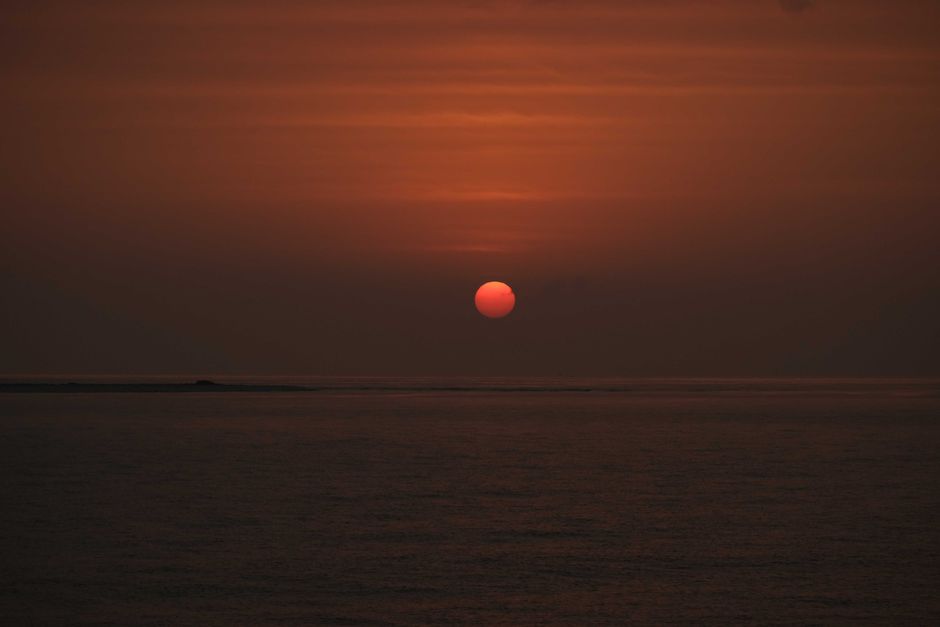
The midnight sun gives Reykjavík roughly 20 to 21 hours of daylight in June, with even longer bright periods in the north. The practical advantage is not that you should stay awake all night. It is that you can visit busy places at 9:30 p.m. or 6:00 a.m., when parking is easier and tour groups have thinned out. Put the Golden Circle, Seljalandsfoss, Skógafoss, and Jökulsárlón into these quieter windows. Save the middle of the day for lunch, a hot pool, a longer hike, or a weather pause.
Protect sleep before the light protects your schedule
Bright skies can make your body ignore bedtime. Reserve accommodation with blackout curtains, close the curtains before you shower, and keep a fixed sleep window such as 1:00 a.m. to 8:30 a.m. An eye mask costs a few dollars and weighs almost nothing, but it may be more useful than adding another sightseeing stop. The clear choice is to use June light for flexible timing, not for sixteen-hour driving days. If seeing the Northern Lights is your main goal, do not choose June; the sky stays too bright for normal aurora viewing. Choose late September through March instead and accept shorter days, winter road risks, and more weather cancellations.
Verdict: June is the best month for a flexible sightseeing loop, not for an aurora holiday. Treat daylight as a scheduling tool and keep your sleep routine intact.
Which apps and safety tools should you use?
Install the free road tools before collecting the car
- Use Safetravel Iceland, free on iOS and Android, for safety alerts, travel planning, and emergency guidance. Save 112 as the emergency number and keep the phone charged.
- Check Road.is, the official road-condition service, before every long drive. Look for closures, slippery surfaces, wind, and poor visibility rather than checking only the weather forecast.
- Use Google Maps, free, for general navigation, but do not let it send you onto a closed road or an unsuitable F-road. Compare the suggested route with the official road map.
- Download offline map areas before leaving Reykjavík. Mobile coverage is good along much of the Ring Road but can disappear in valleys, fjords, and remote parking areas.
When a satellite messenger earns its space
It becomes sensible for solo hikers, remote camping, or a route that leaves the main road for long periods. It sends two-way messages through satellite networks, but it does not replace local road advice or good judgment. For most couples staying in towns, a charged phone, a power bank, the Safetravel app, and a written accommodation plan are enough.
June is bright, but a cloud bank, a closed facility, or an early airport departure can still leave you walking in darkness.
Verdict: Safetravel, Road.is, offline maps, and a power bank belong in every car. Buy the Garmin only when your route or sleeping arrangements create a real communication gap.
What should you pack for bright, windy June weather?
Q: Is June warm enough for light clothing?
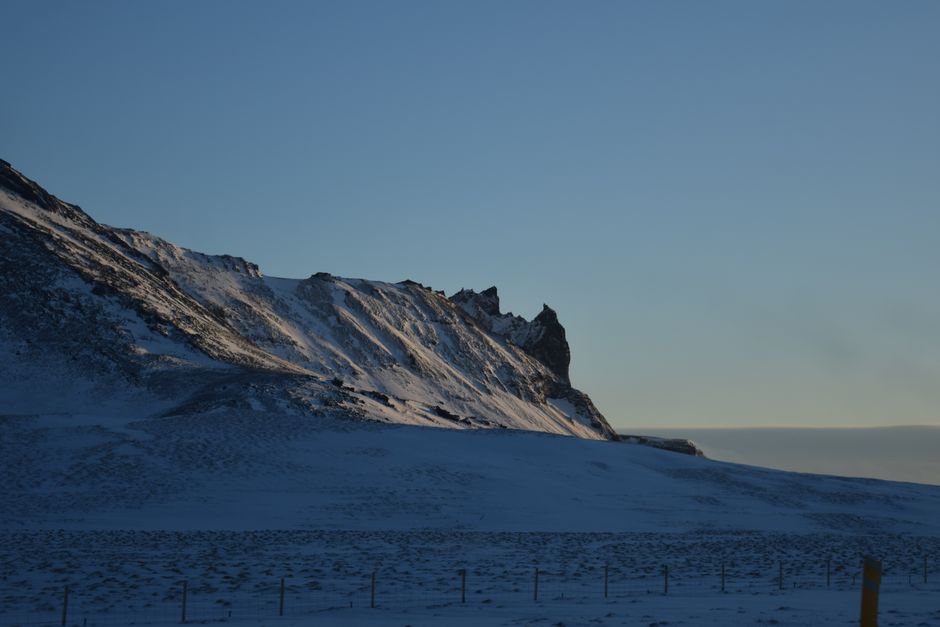
A: Pack for 6 to 15°C, wind, rain, and sudden changes rather than packing for summer heat. Bring a waterproof shell, fleece or wool mid-layer, quick-drying trousers, wool socks, gloves, and shoes with solid grip. The wind can make a mild forecast feel cold, especially beside waterfalls, glaciers, and black-sand beaches. A cotton sweatshirt is a poor outer layer because it stays wet for too long.
Q: What small items prevent the most trouble?
A: Bring an eye mask, refillable water bottle, lip balm, sunscreen, charging cables, a power bank, and a dry bag for phones. Use a 20,000 mAh power bank if two people rely on one phone for navigation and photos. Pack food for the first driving day because airport-area shopping is not always convenient after a late arrival. Keep valuables away from the front seats at viewpoints, close car doors against gusts, and never stand on the seaward side of a sneaker-wave warning at Reynisfjara. The best packing strategy is layered and compact: one waterproof outer layer, one warm middle layer, and several quick-drying base layers.
Camping needs a larger kit, stronger weather tolerance, and more planning than sleeping in guesthouses. Do not choose a campervan only because it appears cheaper; campsite fees, fuel, heating, bedding, and limited indoor space can remove the savings. For a first June loop, a small car and booked rooms are the simpler choice.
Verdict: spend money on waterproof layers and reliable footwear before buying extra camera gear. The landscape is already dramatic; staying warm lets you enjoy it.
How do you finish the trip without a rushed final day?
Keep the last night close to the airport
Do not end a nine-day loop on the far side of Iceland if your flight leaves before noon. Stay in Reykjavík, Keflavík, or a nearby town on the final night and leave a buffer for fuel, rental-car inspection, and airport queues. If your flight is late, you can use the long June light for a final walk, a local pool, or a short visit to the coast. Keep this day deliberately light. A delayed ferry, road closure, flat tire, or slow gravel section can turn a relaxed final morning into a stressful airport run.
Bring the opening scene back under control
At the start of the trip, the bright sky may make you feel that every hour is available. By the final evening, the useful question is different: did the schedule leave room to stop? The strongest Ring Road plan gives you fixed accommodation, flexible sightseeing hours, daily road checks, and at least one weather buffer. It also accepts that one waterfall, beach, or Highland trail may need to wait for another visit.
At 12:15 a.m., you may still be standing beside a quiet viewpoint with a pale gold horizon behind you. That is the reward of the midnight sun: not more kilometres, but enough light to enjoy the places you reached without rushing through them.
Verdict: build the trip around safe driving and flexible stops, then let June’s long light create the memorable moments. The best Ring Road itinerary ends with time to breathe, not one last frantic push to Keflavík.