
The Cyclades contain roughly 220 islands and islets, yet a first-time traveler only needs two or three to create a rewarding week. The smart move is not to collect as many ferry stamps as possible. It is to build a route that keeps travel time low, leaves room for windy days, and gives each island enough time to feel distinct.
For most visitors, the best early-summer plan is Athens to Paros, then Naxos, with a final night near the next departure point or back in Athens. This route offers beaches, villages, food, hiking, and reliable transport without forcing you onto a boat every morning. In 2026, check the final sailing timetable before paying for non-refundable rooms because schedules and fares change by date.
When is the best early-summer window for the Cyclades?
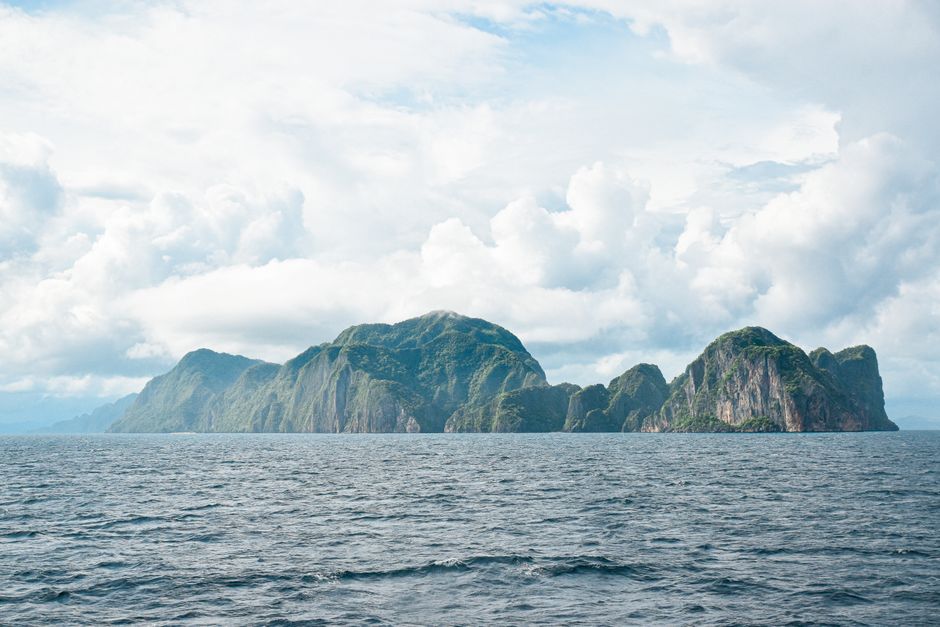
Late May through mid-June is the strongest balance of weather, open businesses, and manageable crowds. July and August bring warmer water and longer beach days, but they also bring higher room prices, fuller ferries, and stronger demand for rental cars.
What the weather feels like
Expect warm days, cool evenings, bright sun, and wind that can change the feel of a beach within an hour. Daytime highs often sit in the low to upper 20s Celsius in early summer, while evenings can feel much cooler after sunset. Sea temperatures are swimmable for many people by June, but May can feel brisk, especially on windy northern beaches.
The Meltemi wind becomes more important as summer progresses. It often blows from the north and can make exposed beaches uncomfortable. A sheltered south-facing cove may be calm while a famous west-facing beach feels rough. Build flexibility into your beach plans instead of treating one beach as the entire purpose of a day.
What is open before peak season?
Paros, Naxos, Santorini, and Mykonos operate year-round in their main towns, but smaller villages and seasonal beach businesses open at different speeds. In late May, some beach bars may have limited hours, and local buses can run a thinner timetable than they do in July. That is a reasonable trade for quieter lanes and easier restaurant bookings.
Book accommodation with good reviews for heating and hot water if traveling in May. A light jacket, closed walking shoes, sun protection, and a compact rain layer are more useful than a suitcase filled only with beach clothes. The best early-summer packing decision is to prepare for wind, not just heat.
How should you plan ferries, hotels, and island transfers?
Use a two-night minimum on any island and protect the last night before an international flight. Island hopping works because the islands are close on a map, but ports, loading times, road transfers, and weather add friction that a route planner may hide.
Build the route in the right order
Start by checking the international flight and the ferry port together. Piraeus is the main gateway for Paros, Naxos, and the southern Cyclades. Rafina can be more convenient for Andros, Tinos, and Mykonos, especially after landing at Athens airport, but the road transfer still needs time during traffic.
For a seven-day trip, use this structure:
- Day 1: Arrive in Athens and sleep near the airport or port if the ferry leaves early.
- Days 2–4: Stay in Paros. Base in Parikia for transport and evening walks, or Naousa for a more polished harbor atmosphere.
- Days 5–7: Stay in Naxos. Choose Naxos Town for buses and restaurants, or Agios Prokopios for an easier beach stay.
- Final night: If the international flight leaves before noon, sleep in Athens rather than gambling on a same-day island connection.
Allow for the parts travelers forget
Arrive at a large Greek ferry port at least 45 minutes before departure, and give yourself more time when carrying a car or traveling on a busy weekend. Keep medicines, chargers, swimwear, documents, and one change of clothes in a small day bag. Ferry luggage may be stored away from your seat, and the garage deck is not available during the crossing.
Reserve a rental car only after checking the island roads and parking situation. Naxos rewards a car because its villages and beaches are spread out. Paros is easier without one if you stay near Parikia or Naousa and use buses, taxis, or short transfers. A car adds freedom but also brings fuel, parking, narrow roads, and possible ferry vehicle fees. For this route, rent for two or three days instead of the entire week.
What mistakes ruin a Cyclades island-hopping trip?
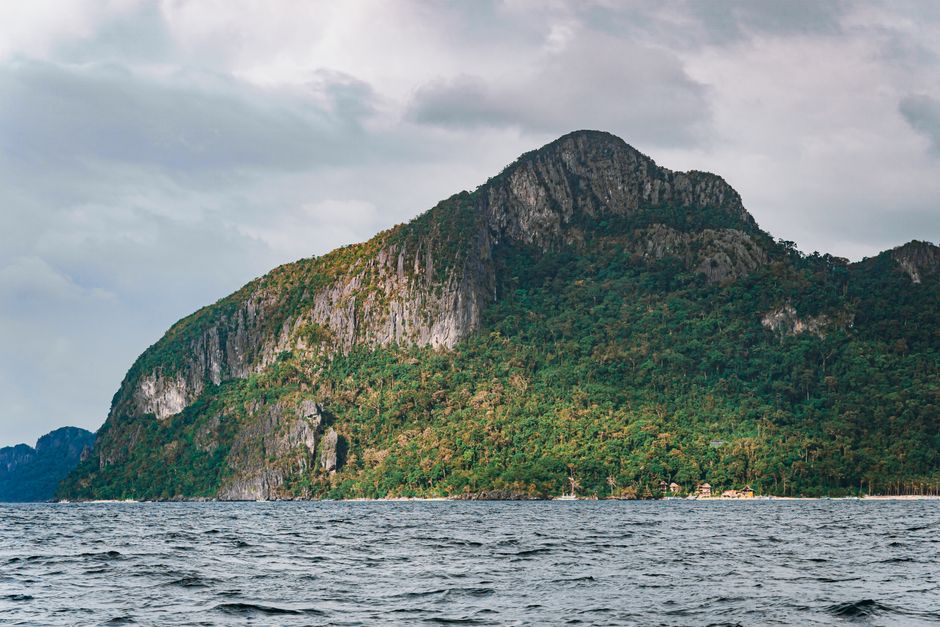
The costliest mistake is planning every day around a perfect ferry connection. Wind, port congestion, late arrivals, and a missed bus can turn a neat itinerary into an expensive chain of changes. Keep the route simple and leave one decision-free day.
Five mistakes to avoid
- Changing islands too often. One night rarely gives enough time to reach the hotel, learn the local bus system, and enjoy a beach or village. Three islands in seven days sounds efficient but often feels like transport with scenery.
- Booking the cheapest room far from the port. A low nightly rate can disappear after taxi fares and long evening transfers. Check the distance from the ferry, supermarket, bus stop, and main swimming area before paying.
- Assuming every beach is sheltered. Wind direction matters. Ask your host which side of the island is calm that day, then choose the beach rather than following an old list.
- Taking a same-day island ferry before a flight. A morning sailing can be delayed or canceled. The safe choice is an Athens night before an important international departure.
- Ignoring ferry luggage rules. Large bags are often placed in shared storage areas. Carry valuables, passports, medicine, cameras, and fragile items with you.
When should you skip island hopping?
Choose one island instead if your trip is shorter than five nights, if you are traveling with a toddler, or if you need a slow schedule. Naxos alone can fill a week with mountain villages, beaches, food, and boat trips. Paros alone works well for travelers who want attractive towns, short excursions, and a larger choice of restaurants. A single-island trip is not a lesser version of island hopping. It is often the better design.
Should you add Santorini, Mykonos, or a smaller island?
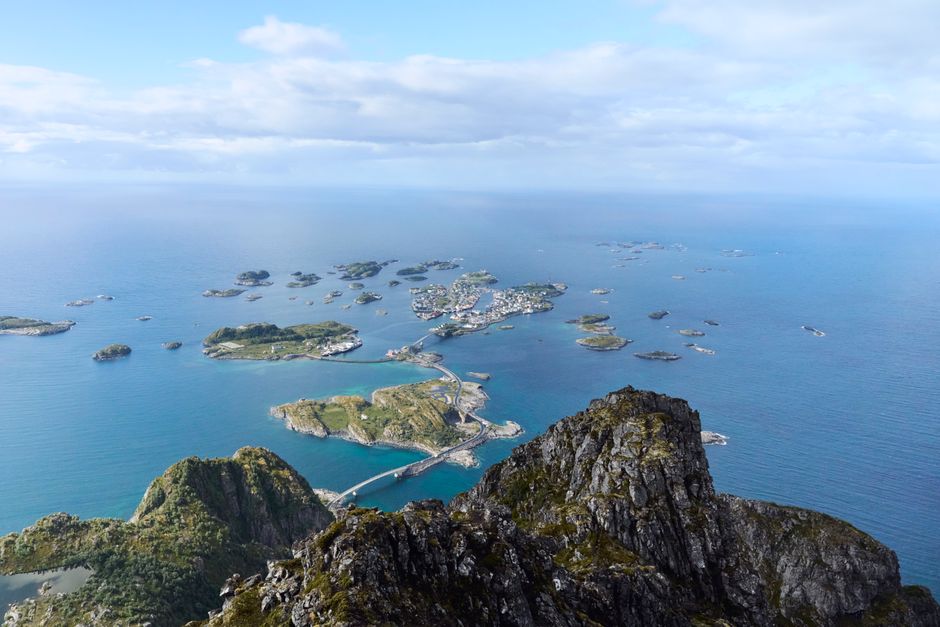
Is Santorini worth adding?
Santorini is worth adding when the caldera, volcanic landscape, and sunset views are the central reason for the trip. It is not the best choice for a relaxed beach holiday. Many of its most famous views come with steep streets, high room prices, and crowded lookout points. Add two nights at most, and avoid using it as the final island before a morning flight.
When does Mykonos make sense?
Mykonos makes sense for nightlife, beach clubs, design-focused hotels, and a strong dining scene. It is a poor value choice for a quiet, low-cost week. If you want classic whitewashed villages without the highest average spending, Paros gives a similar visual language with a calmer pace. For walkers and traditional villages, Tinos is the sharper choice.
Which smaller island is the better alternative?
Choose Amorgos for hiking, clear water, and a more remote feel. Choose Andros for green valleys, marked trails, and a convenient connection from Rafina. Choose Tinos for food, marble villages, churches, and a less beach-centered culture. Do not add one simply because the map makes it look close. A smaller island becomes a good choice when its character matches the reason you travel.
My final verdict is simple: first-time visitors should choose Paros and Naxos; repeat visitors should replace one with Andros, Tinos, or Amorgos; travelers chasing one iconic view can add Santorini, but should accept the higher cost and faster pace. Early summer rewards that restraint. The Cyclades are becoming easier to reach, yet the best trips still come from leaving space for the wind, the ferry, and the island you did not expect to love.