
Seville in April is not one event but two very different citywide celebrations. Semana Santa runs from March 29 to April 5 in 2026, while Feria de Abril follows from April 20 to April 26, so your dates will shape the crowds, prices, transport, and type of experience you get.
Which April week is worth your money?
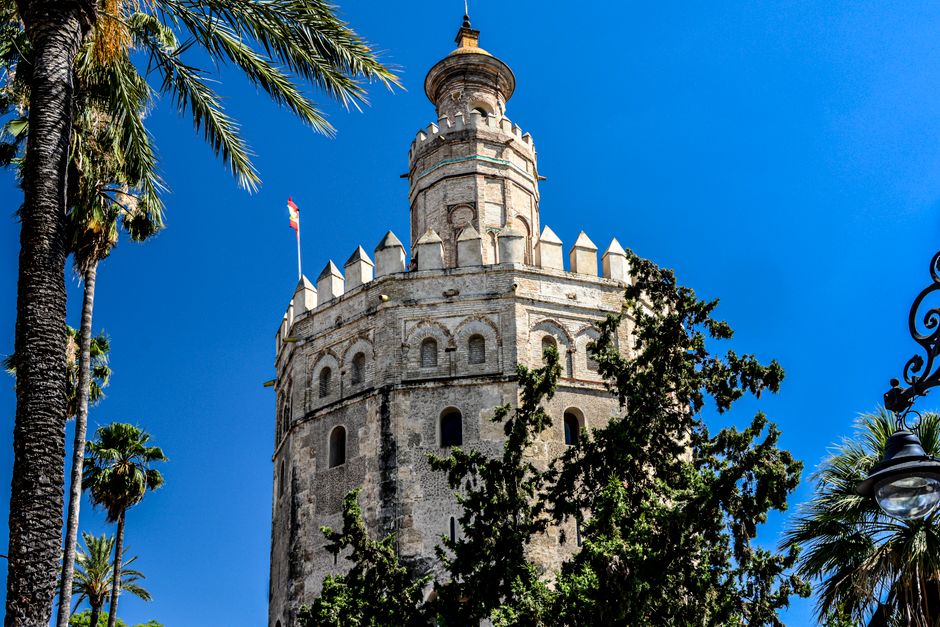
For a first visit, choose the week between the festivals unless you specifically want one celebration. You will move around more easily, find a wider choice of rooms, and have time for the Alcázar, Cathedral, Plaza de España, Triana, and neighborhood restaurants without planning your day around crowd barriers.
Choose Semana Santa for spectacle, not relaxation
Semana Santa is the stronger choice if you want to see something tied closely to Seville’s identity. The processions are slow, formal, musical, and highly local. You do not need to be religious to appreciate the craftsmanship and atmosphere, but you do need patience. A route that looks short on a map can become a long walk around closures. Book a central room and expect your normal sightseeing rhythm to disappear after late afternoon.
Choose Feria for social energy and late nights
Feria is better for visitors who enjoy food, flamenco, outdoor drinking, and staying out late. It is less convenient for anyone expecting a simple public festival where every tent welcomes everyone. Many casetas are private, and the fairground sits away from the historic center. The reward is a more playful and communal event, especially after sunset. The clear verdict is simple: pick Semana Santa for processions and visual drama, Feria for music and nightlife, and the middle weeks for the best all-round city break.
How do you watch Semana Santa without losing a day?
Start with the correct expectation: Semana Santa is a moving event, not a show that happens in one fixed square. Each brotherhood follows a route, pauses, turns through narrow streets, and may move more slowly than the published schedule suggests. Trying to chase several processions across the center usually produces the worst version of the experience: tired feet, poor sightlines, and a late return through streets that no longer connect in the obvious way.
Pick one area and arrive early
Choose one viewing area and stay there. The Cathedral surroundings offer major landmarks but also some of the tightest crowds. The Alameda de Hércules and streets near San Lorenzo can feel less formal, while the stretch around La Campana gives a strong sense of the official route but fills quickly. Arrive 60 to 90 minutes before the procession you care about. Bring water, wear shoes with real grip, and keep your route back to the hotel in mind before the crowd thickens.
Read the route like a transport problem
Central bus stops may move, streets may close, and taxis may be unable to reach the address on your map. Download the city map before leaving Wi-Fi, then identify two walking exits from your viewing area. If you stay outside the center, return before the final major procession of the evening rather than assuming a normal bus timetable. TUSSAM’s special Semana Santa service is useful, but service changes are not a guarantee that a bus will stop near the street you want. The city’s official plan covers March 29 through April 5 and should be checked close to your travel date.
Avoid the three common mistakes
- Do not schedule the Alcázar, Cathedral, and a procession on the same afternoon. One delay can ruin all three plans.
- Do not stand in a doorway, on a narrow corner, or across a route used by residents and procession staff.
- Do not assume the biggest crowd equals the best view. A quieter side street can give you more space and a clearer look at the music, candles, and paso.
The strongest plan is one major procession, one flexible neighborhood walk, and a meal booked outside the most crowded central streets. That gives you the festival without turning eight hours into a queue.
How can first-time visitors enjoy Feria without a private invitation?
Plan around public casetas and treat the Real as a neighborhood-sized venue, not a single attraction. Feria de Abril takes place at the Real de la Feria in Los Remedios. Private casetas dominate the fair, and entry may depend on an invitation from a member. That does not make the event inaccessible, but it does mean that visitors should identify public casetas before arriving instead of wandering in with no plan.
Use this five-step Feria plan
- Go in daylight first. The fairground is easier to understand before the late-night crowds arrive. Public casetas generally open from 12:00 until 3:00 the following morning, according to the municipal listing.
- Save the public-caseta locations. The city lists public casetas by district, including Triana-Los Remedios, Casco Antiguo, Nervión, Sur, Macarena, and other areas. Screenshot the map because mobile service can become unreliable in dense crowds.
- Budget for food instead of guessing. The 2026 public-caseta price list includes a €5 dish of the day, €8 portions such as croquettes or fried fish, and €9 for 100 grams of ibérico ham. These figures give you a reasonable floor for a meal, not a promise that every drink or private caseta will cost the same.
- Use public transport and walk the final stretch. The Feria special bus costs €1.60 per journey in the current published TUSSAM information. Traffic around Los Remedios can still make the final approach slow.
- Leave before you are exhausted. The fair continues late, but a crowded exit after midnight is a poor time to discover that your accommodation is across the city.
What should you wear?
Comfort beats costume unless you already own suitable traditional clothing. Feria involves standing, walking on uneven ground, and spending hours in warm indoor-outdoor spaces. Wear light layers and shoes that can handle dust. A fan, small bag, and cash backup are more useful than an elaborate outfit bought only for one night. The best Feria choice for a first visit is an early evening in public casetas, followed by a deliberate exit before the final rush.
What should a first-time Seville itinerary look like?
Can you combine both festivals in one trip?
Only if you have a long stay. Semana Santa finishes on April 5 and Feria begins on April 20 in 2026, leaving a two-week gap. A trip covering both requires at least 12 to 14 nights if you want the city between events to feel like part of the holiday rather than a transfer exercise. For a shorter trip, choose one festival and use the remaining days for ordinary Seville.
What is the sensible seven-day plan?
For a normal April visit, spend the first morning around the Cathedral and Archivo de Indias, reserve an afternoon for the Alcázar, and walk Plaza de España and María Luisa Park early on another day. Add Triana for ceramics, market food, and an evening by the river. Leave one day open for a procession during Semana Santa or for the Real during Feria. The open day matters because festival schedules, weather, and crowd movement can change the value of every fixed booking.
How much should you set aside?
| Daily item | Lean target | More comfortable target | What changes the figure |
|---|---|---|---|
| Food | €25 to €35 | €50 to €75 | Tapas bars, festival meals, and late-night drinks |
| Local transport | €3 to €8 | €10 to €16 | Walking versus repeated bus or special Feria journeys |
| Paid sights | €15 to €25 | €30 to €45 | Number of monuments and guided visits |
| Room | Check current rates | Check current rates | Festival dates can move prices sharply |
This is not financial advice; it is a travel-planning estimate, and hotel rates deserve the most attention because event weeks can erase the savings from a cheap meal or bus ticket. Check the official Semana Santa 2026 mobility information and the city’s Feria updates shortly before departure.
The single most important choice is to match your dates to one festival before booking accommodation, because Semana Santa and Feria de Abril create two completely different Seville trips.