
Is Venice worth visiting in February, or will you spend the trip cold, wet and trapped in Carnival crowds? My answer is yes, but only if you plan around the calendar instead of treating the whole month as one experience. February gives Venice two different personalities: busy, theatrical weekends during Carnival and calm, misty weekdays when you can cross a bridge without joining a queue. I prefer the quieter side, but the masks and costumes are worth seeing at least once. The trick is choosing the right dates, packing for damp weather and accepting that Venice rewards walking more than rushing.
Is Venice worth visiting in February?
The clear verdict
For travellers who enjoy old cities, winter light and museums, Venice in February is one of the best-value months to visit. Hotels can cost less than during spring and summer, the canals look atmospheric under low clouds, and popular sights feel far less tiring outside the Carnival peak. You can stand on the Accademia Bridge early in the morning and watch the city wake up instead of competing with a wall of tour groups.
The catch is weather. February is not a warm escape. Daytime temperatures often sit around 7 to 10°C, while evenings can fall close to 0°C. Humidity makes the cold feel sharper, and acqua alta can still affect low-lying walkways. Pack for a damp city, not a snowy mountain town.
What quiet really means
Quiet does not mean empty. Venice always has visitors around Rialto Bridge, St Mark’s Square and the railway station. It means you can move more easily through Cannaregio, Dorsoduro and Castello, especially before 9 a.m. On a February weekday, I would rather spend three hours wandering side streets than try to force six attractions into one crowded afternoon.
My recommendation is firm: choose the first half of February for the best balance of Carnival atmosphere and manageable crowds. Choose the final week only if you specifically want the loudest events and do not mind higher room rates, packed vaporetto stops and long waits for photographs.
When is Venice Carnival busiest in February?
Use the calendar, not the month name
Venice Carnival does not fill every February day with the same level of activity. The opening weekend, the final weekend and Shrove Tuesday create the biggest pressure on accommodation and transport. The 2026 Carnival runs from January 31 through February 17, with major public events beginning in early February. Future dates move because Carnival follows the Easter calendar, so check the official programme before booking flights.
| Period | Typical feel | Best strategy |
|---|---|---|
| Early February weekdays | Cool, calm and good for museums | Book a morning walking route and visit St Mark’s Basilica before 10 a.m. |
| Opening weekend | Street shows, costumes and heavy visitor numbers | Reserve accommodation early and arrive at major squares before breakfast |
| Middle Carnival weekdays | Festive but easier to navigate | Stay near Cannaregio or Dorsoduro and attend smaller neighbourhood events |
| Final weekend | The most theatrical and crowded period | Expect queues, full boats and expensive rooms |
| Shrove Tuesday | Peak costume and mask activity | Choose one main event and leave space for walking afterwards |
My preferred Carnival window
I like the middle weekdays best. You still see elaborate masks around St Mark’s Square, but you can escape to quieter sestieri after lunch. The city feels celebratory without turning every bridge into a bottleneck. If costume photography is your priority, go out between 8 and 10 a.m.; the light is softer and many costumed visitors are still posing rather than moving with the crowd.
Do not assume the most expensive ticket creates the best experience. Some of the most memorable moments cost nothing: a masked visitor crossing a foggy bridge, a small concert in a campo or a quiet walk beside the Rio della Misericordia. Carnival works best when you leave gaps in the schedule.
What should you pack for Venice in February?
Build a damp-weather walking kit
- Pack a waterproof shell that covers your hips. A short fashion jacket looks fine in a restaurant but becomes miserable after two hours of rain and wind.
- Bring two pairs of comfortable shoes with textured soles. Venice has polished stone, steep bridge steps and slippery edges near the water. Wear one pair during the day and keep the second pair dry.
- Use thin layers rather than one heavy coat. A merino or synthetic base layer, a warm middle layer and a rain shell work better when you move between chilly streets and overheated museums.
- Carry gloves, a compact umbrella and a small reusable water bottle. The umbrella matters more than sunglasses in February, though bright winter afternoons still happen.
- Choose a small backpack or crossbody bag. Large rolling cases are awkward on bridges, and dragging luggage across dozens of steps is a fast way to start the trip badly.
The shoes matter more than the camera
My strongest packing opinion is simple: do not bring brand-new shoes. Break them in for at least a week before departure. Venice turns a normal sightseeing day into 15,000 to 20,000 steps because the most interesting routes rarely follow the main street. Wet paving and bridge stairs punish thin soles.
Leave formal clothing at home unless you have booked a specific dinner or gala. Smart casual layers are enough for most restaurants. A scarf is more useful than extra shirts, and a waterproof phone pouch is more useful than a second lens. If the forecast shows persistent rain, plan more indoor time instead of pretending a damp six-hour walk will still feel romantic.
How do you get around Venice without wasting money?
Pick the ticket that matches your actual movement
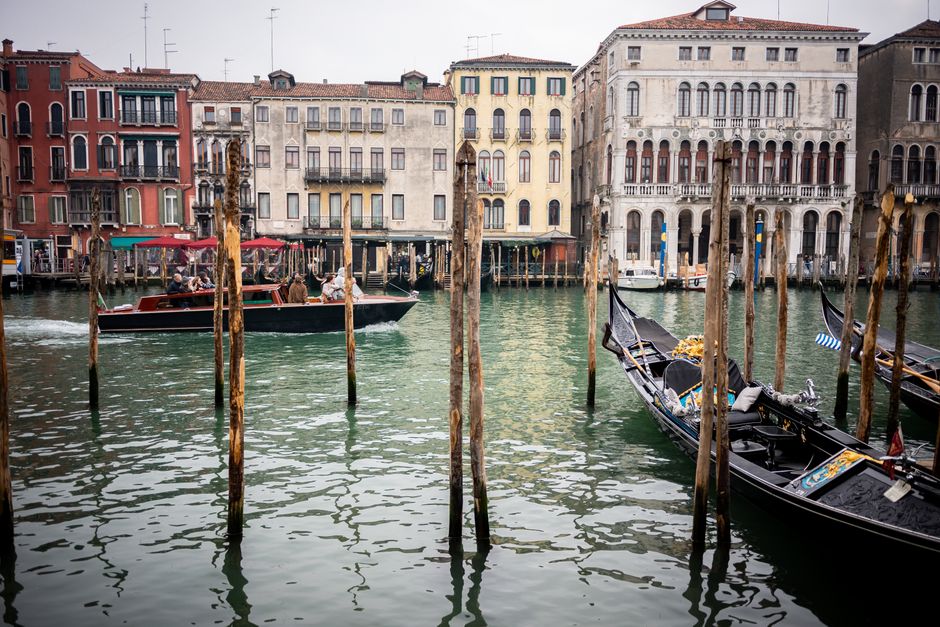
Venice is compact enough to walk, but boats save time when you cross the Grand Canal, visit Giudecca or travel to Murano. The best transport choice depends on how often you will ride. The ACTV 75-minute Rete Unica ticket costs €9.50 and makes sense for one or two planned journeys. The ACTV Venezia Daily Pass costs €25 and covers eligible waterbus, bus, tram and People Mover travel for 24 hours from validation.
| Transport option | 2026 price | Best use |
|---|---|---|
| ACTV 75-minute Rete Unica ticket | €9.50 | One planned vaporetto journey or a short transfer |
| ACTV Venezia Daily Pass | €25 | Several waterbus rides in one 24-hour period |
| Alilaguna Airport–Venice single ticket | €18 | Direct airport boat transfer with luggage included |
| People Mover single ticket | €1.50 | Moving between Piazzale Roma and Tronchetto |
Do not confuse airport boats with city boats
The Alilaguna Airport–Venice ticket is separate from ordinary ACTV waterbus fares. An ACTV pass normally does not cover Alilaguna services or airport journeys. This is a common mistake, especially when visitors buy a daily pass and assume every boat uses the same ticket system.
Walk whenever the route is under 30 minutes. Use a vaporetto for longer crossings, late-night travel or luggage. The AVM Venezia Official App can help you buy and activate eligible tickets, but check the validity rules before boarding. My verdict: buy the ACTV Daily Pass only if you expect at least three useful waterbus rides; otherwise, single tickets plus walking usually cost less.
Which Venice neighbourhood is best for a quiet February stay?
Choose Cannaregio for the best balance
My first choice is Cannaregio, especially the area north of Strada Nova and around the Jewish Ghetto. You remain close enough to walk to Rialto, but the evenings feel more local once the day visitors leave. Restaurants are easier to find, the streets are less formal than San Marco, and the railway station is convenient when you arrive with luggage.
Dorsoduro is the better choice for art lovers and slow mornings. It puts you near the Peggy Guggenheim Collection, Accademia and the Zattere waterfront. The southern edge can feel exposed in cold wind, but the views across the Giudecca Canal are excellent on clear February afternoons. I would choose Dorsoduro for a three-night cultural break.
When the famous centre still makes sense
Stay near San Marco only if you value early access to the square or have a Carnival event there. The area is expensive and busy during the day, but it becomes strangely beautiful before breakfast and after the last tour groups leave. This is the best location for photographers with a strict sunrise plan, not the best location for travellers who want quiet dinners and lower room rates.
Castello offers more space and a slower pace, though the eastern end adds walking time. Giudecca gives you views back toward the historic centre, but every trip across the lagoon requires a boat. My clear ranking is Cannaregio for most visitors, Dorsoduro for museums, San Marco for event access and Castello for repeat Venice travellers who already know the main sights.