
When is late summer the right time for Tasmania?
Planning a Tasmania late summer itinerary means choosing between warmer coastal days, longer daylight and a higher chance of busy roads, booked accommodation and changeable weather. For most travellers, late February through March gives the strongest balance. The swimming water remains usable, bushwalking conditions are usually comfortable and the peak January rush has eased.
What weather should you expect?
Do not pack for one season. Hobart can feel warm in the afternoon and cold after sunset, while the east coast can turn windy within hours. The Bureau of Meteorology recorded a 23.5°C mean daily maximum in Hobart during February 2026, but the coldest morning still reached only 8.7°C. That spread explains the packing rule: light layers, a waterproof shell, sun protection and shoes that can handle loose gravel. Check the forecast each morning rather than trusting a blue sky at breakfast.
Why late summer suits the east coast
Late summer works because the route rewards outdoor time without demanding a full expedition. You can walk to Wineglass Bay Lookout, swim at a sheltered beach, eat outdoors in Hobart and still have enough daylight for a short coastal stop. The trade-off is fire risk, dry vegetation and wildlife on the roads after dusk. Drive in daylight, carry water and leave room in the schedule for a poor-weather change.
The Bureau of Meteorology climate tables are more useful than a generic seasonal average because conditions vary between Hobart, the central highlands and the east coast.
What route works from Hobart to Freycinet?
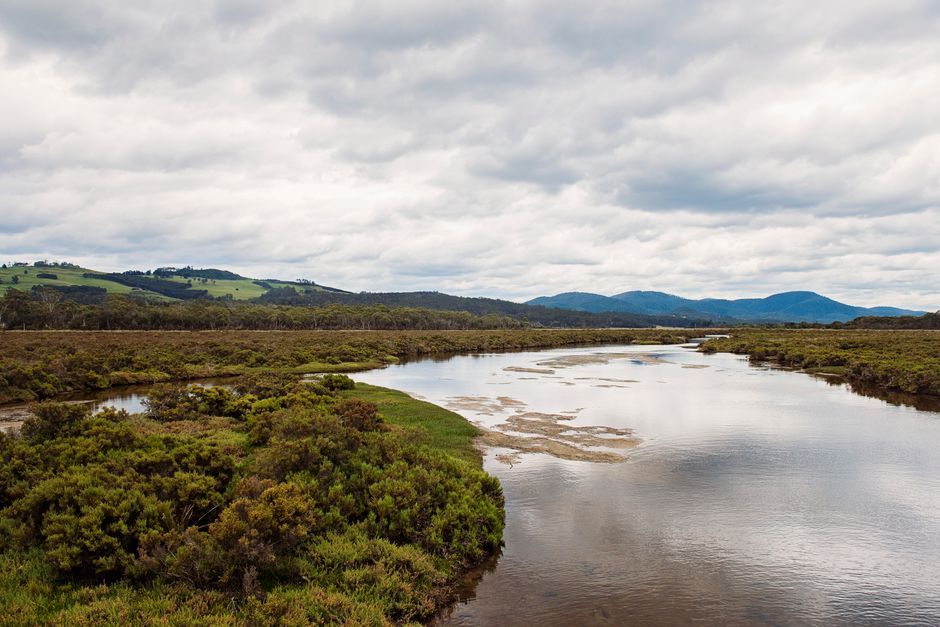
My route verdict is clear: spend two nights in Hobart, two nights around Coles Bay or Swansea, then use the final day for a flexible east-coast stop. Trying to add Launceston, Bruny Island and the Tasman Peninsula to the same short trip creates more driving than sightseeing.
| Day | Base | Plan | Driving guide |
|---|---|---|---|
| 1 | Hobart | Waterfront, Salamanca, kunanyi foothills | Local driving |
| 2 | Hobart | Battery Point, MONA or a slow food-and-market day | Local driving |
| 3 | Swansea or Coles Bay | Drive east, stop at Orford and coastal lookouts | About 2.5–3 hours to Freycinet |
| 4 | Swansea or Coles Bay | Wineglass Bay, Honeymoon Bay or Cape Tourville | Short local drives |
| 5 | East coast | Friendly Beaches, Bicheno or a slow return south | Allow most of the day |
Why this sequence reduces risk
Hobart absorbs flight delays and gives you a low-pressure first day. That matters because a late arrival followed by a long rural drive leaves little margin for lost luggage, bad weather or a rental-car handover problem. Freycinet then gets a full day rather than a rushed photo stop.
Where should you sleep?
Coles Bay is the practical choice for early access to the national park. Swansea works better for travellers who want a quieter base and a broader east-coast loop. Select accommodation with parking and a late-arrival policy. Small coastal towns have fewer replacement options if a booking fails, and mobile coverage can be inconsistent outside town centres.
What should you do in Hobart before driving east?
The verdict for a first visit
For a first-time visitor, the strongest Hobart combination is Salamanca and the waterfront on one day, then either kunanyi, MONA or a longer food-focused day on the next, because it gives you culture, views and local eating without turning the city into a checklist. Start at Salamanca Place, walk toward the docks and keep the afternoon open for weather; if the wind is sharp, move indoors rather than forcing a scenic viewpoint that will add little. A car is useful after Hobart, but it is a liability in the compact centre, so collect the rental vehicle after your city stay if the booking allows it.
What should you skip?
Skip a packed day that starts with a mountain lookout, crosses the city for a museum, adds a winery and ends with a late drive east, because the plan leaves no recovery time when weather or traffic changes. The same rule applies to MONA: treat it as a major visit, not a quick add-on between unrelated stops, and check ferry and entry arrangements before committing. Hobart earns two nights because it gives you a stable beginning to the trip, while Freycinet supplies the high-value outdoor experience; cutting the city to one rushed night usually saves less time than it costs in fatigue.
How do you plan the Freycinet day without overreaching?

Freycinet rewards a conservative schedule. The common mistake is treating Wineglass Bay Lookout, the beach, Mount Amos and Hazards Beach as interchangeable short walks. They are not. Use the track grade, distance and your group’s experience to choose one main walk, then add an easy coastal stop.
A practical walking sequence
- Arrive early at the walking tracks car park, especially on a clear late-summer day.
- Choose Wineglass Bay Lookout if you want the iconic view with a defined 2.6 km return route and a listed time of about 1 to 1.5 hours.
- Choose the Wineglass Bay beach walk if you can handle a longer Grade 3 outing of roughly 6 km and 2.5 to 3.5 hours return.
- Choose the Wineglass Bay and Hazards Beach circuit only if your group is ready for an 11 km, 4-to-5-hour Grade 4 walk on steep and rough sections.
- Use Cape Tourville as the easy alternative: the circuit is about 600 m and listed at 20 minutes, making it a useful weather fallback.
What do people get wrong?
- They carry too little water. Park guidance says water is scarce, so refill before leaving the visitor centre or the marked taps.
- They assume beaches are supervised. Wineglass Bay and other beaches are unpatrolled; swim only within your ability.
- They wear casual shoes on steep granite and loose gravel. Sturdy footwear is the sensible minimum.
- They leave food visible in the car or beside a picnic. Possums and other wildlife investigate unattended bags.
- They drive back after dark without allowing for animals. Tasmania’s park service asks visitors to avoid night driving where possible.
The official Wineglass Bay track guidance should control your final choice, not an old social-media post.
Which mistakes can ruin the east-coast trip?
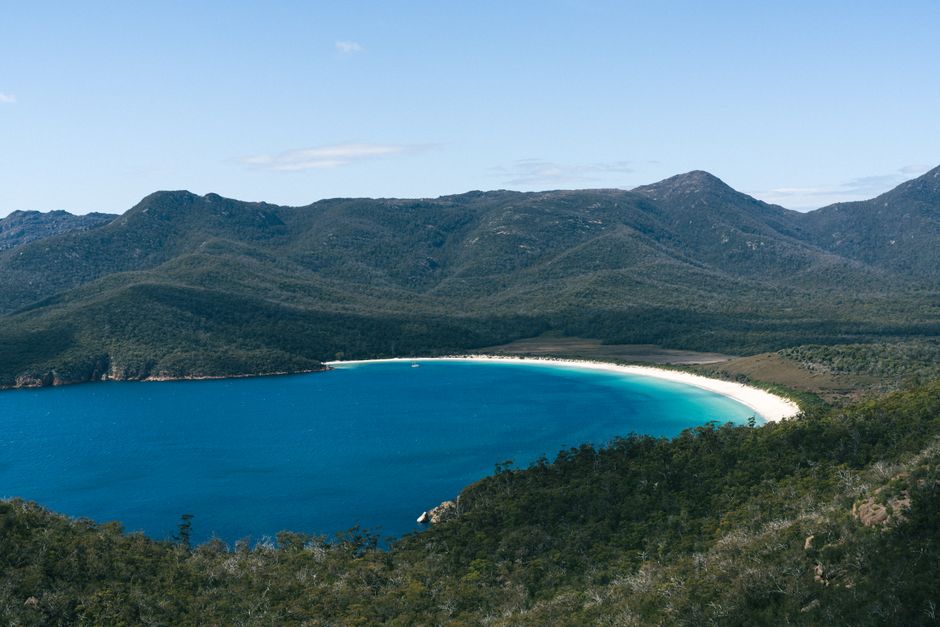
The route is simple, but the costs of a poor plan show up in lost time rather than one dramatic error. These are the failure modes I would remove before booking.
Five mistakes to remove
- Overloading the itinerary: A short trip cannot comfortably cover Hobart, Bruny Island, the Tasman Peninsula, Freycinet and Launceston. Pick the east-coast line and protect it.
- Ignoring closure information: Check park alerts, road conditions, fire warnings and track notices on the morning of each outdoor day.
- Booking the wrong base: A cheaper room far from Coles Bay can erase the saving through extra driving and a late return.
- Planning around one photograph: If cloud hides Wineglass Bay, the trip should still work through Cape Tourville, Friendly Beaches, Bicheno, food stops and Hobart’s indoor options.
- Leaving no financial buffer: Rural accommodation, replacement transport and rental-car damage can cost more than expected, so keep a reserve separate from the daily spending budget.
When should you choose a different trip?
Choose a slower Hobart-and-Bruny plan if your group dislikes long drives or steep tracks. Choose the west coast if rainforest, mountains and cooler conditions matter more than beaches. Choose a dedicated Freycinet stay if Wineglass Bay is the main goal and you can accept higher coastal accommodation costs. The right alternative is the one that removes the largest risk in your own plan, not the one with the longest list of attractions.
For the Hobart-to-Freycinet route, the cleanest plan remains two nights in Hobart, two nights on the east coast, one main Freycinet walk, one weather fallback and enough daylight for the drive back.