
You arrive in Banff on June 8 wearing sneakers, carrying a light hoodie, and expecting the Canadian Rockies to feel like full summer. The forecast shows sun. Then a cold front drops snow on the passes, one famous road remains closed, and every parking lot near Lake Louise fills before breakfast.
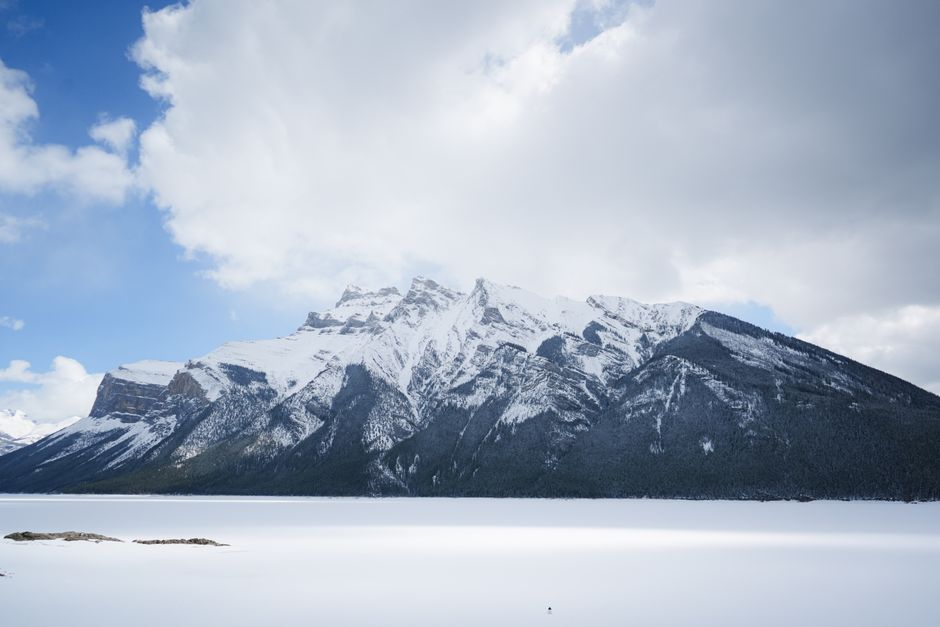
That scenario is common because June is not reliably summer in the Rockies. It is a transition month. Lower valleys can feel warm, while high trails still hold snow and mountain weather can change within an hour. The payoff is long daylight, fewer crowds than July and August, rushing waterfalls, and landscapes that still look partly winter-wrapped.
This seven-day plan works best as a one-way trip from Calgary through Banff and Lake Louise to Jasper. It gives the Icefields Parkway a full day instead of treating it as a fast transfer. It also leaves room for the closures and weather changes that can turn a perfect plan into a bad one.
Is June a good time to visit Banff and Jasper?
June gives you long days, not guaranteed hiking weather
Yes, June is one of the best months for a scenic road trip, but it is not the best month for a high-elevation hiking holiday. Sunrise arrives early and sunset comes late, so you can visit major viewpoints without rushing. Valley walks, waterfalls, lakeside paths and wildlife drives often work well. Trails above the tree line are a different story. Snow, mud, avalanche debris and unstable creek crossings can remain well into the month.
Banff usually offers the easier start because its main attractions sit close to town and the Trans-Canada Highway. Jasper feels wilder and more spread out. That extra space rewards visitors who can handle longer drives and changing conditions. My verdict is clear: choose June for scenery, road travel and flexible day hikes, not for a fixed list of alpine summits.
What the weather means for your packing list
Pack for three temperatures in one day. A sunny afternoon in Banff may call for a T-shirt, while a morning at the Columbia Icefield can feel close to freezing. Bring waterproof hiking shoes, wool or synthetic layers, gloves, a warm hat, sunglasses and a light rain shell. Do not rely on a cotton hoodie as your only warm layer. Once it gets wet, it dries slowly and becomes dead weight.
Why June feels less crowded but still needs reservations
June avoids some of the peak July pressure, but the most famous places remain busy. Lake Louise and Moraine Lake attract visitors as soon as access opens. Moraine Lake Road stays closed to private vehicles, so arriving early with a car does not solve the access problem. The popular shuttle systems, campsites and Jasper hotels can still sell out around weekends.
The best June strategy is to reserve the fixed parts first, then leave the hiking choices flexible. Book transport to the two big lakes, your accommodation, and any paid activity that would ruin the trip if it sold out. Keep the rest of the schedule movable.
What is the best 7-day Banff and Jasper itinerary?
The strongest route uses Banff for three nights, Lake Louise for one night, and Jasper for three nights. That avoids driving back and forth and places the Icefields Parkway in the middle of the trip, when you have enough daylight to stop often.
| Day | Base | Plan | Driving and timing |
|---|---|---|---|
| 1 | Banff | Arrive from Calgary, walk Banff Avenue, visit Bow Falls and Vermilion Lakes | Calgary to Banff: about 1.5 hours |
| 2 | Banff | Lake Louise and Moraine Lake using a reserved shuttle; keep the evening easy | Allow 8 to 10 hours with transfers |
| 3 | Banff | Johnston Canyon or a lower-elevation hike, then Banff hot springs or town | Short local drives |
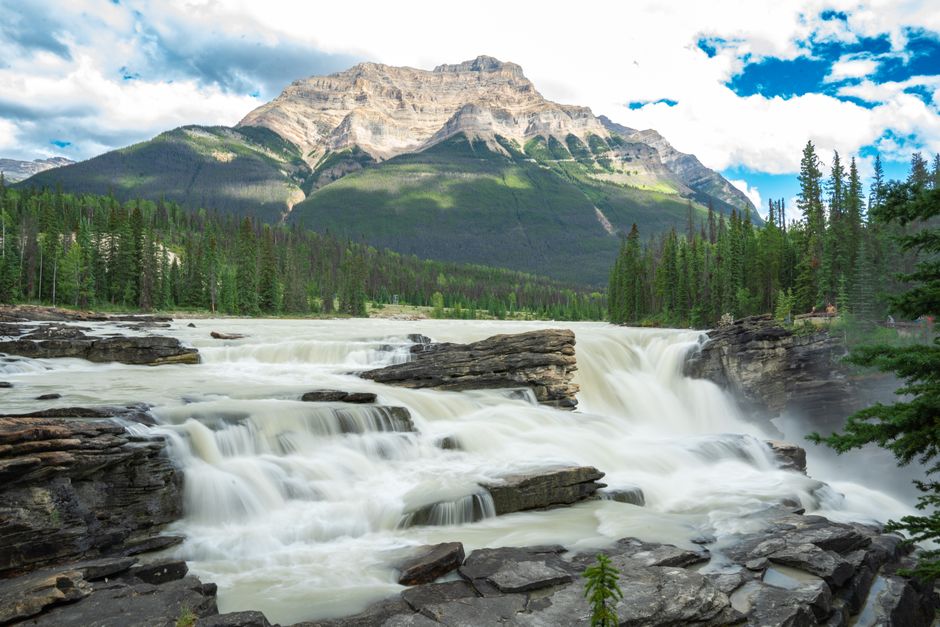
| 4 | Jasper | Drive the Icefields Parkway; stop at Bow Lake, Peyto Lake, Saskatchewan River Crossing, Athabasca Glacier and Athabasca Falls | Lake Louise to Jasper: about 4.5 hours without stops |
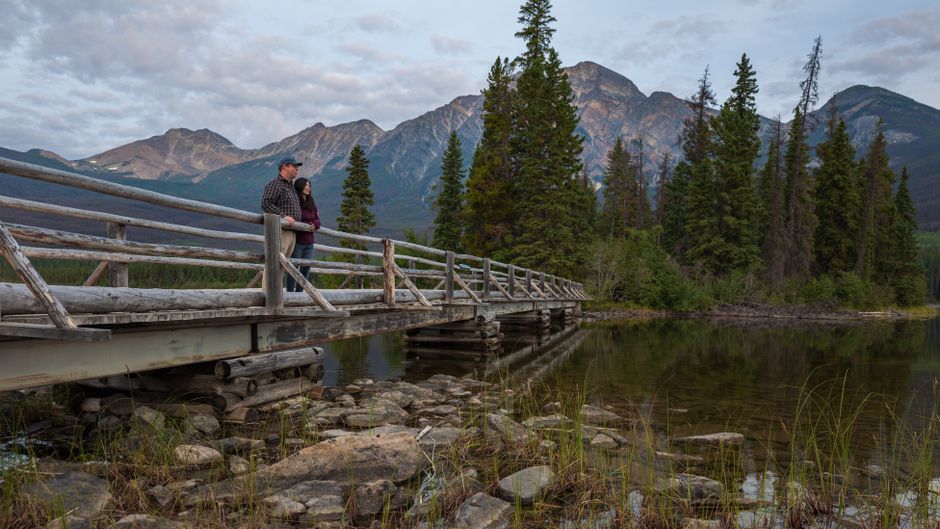
| 5 | Jasper | Explore Pyramid Lake, Patricia Lake, Old Fort Point or the Valley of the Five Lakes | Local driving and short hikes |
| 6 | Jasper | Drive the Maligne Lake road; check current access before planning a cruise or shoreline walk | Jasper to Maligne Lake: about 1.5 hours each way |
| 7 | Jasper | Choose a weather backup, then leave for Edmonton or return toward Calgary | Jasper to Edmonton: about 4 hours |
Why this direction works
Moving north keeps the most dramatic section for the middle of the trip. You will already understand mountain driving, but you will not yet be tired of long road days. The route also gives you two chances to see the mountains clearly. If clouds hide the glaciers on Day 4, you can use Day 7 for a shorter return to a nearby viewpoint.
Where to spend the extra night
For a slower trip, add the seventh night to Jasper rather than Banff. Jasper has more space between sights and benefits from an unhurried evening. For a first visit focused on Lake Louise, move that night to Lake Louise and shorten the Jasper portion. Do not try to add Yoho National Park, Kananaskis and the full Jasper region to the same seven days. The map looks compact, but mountain roads consume time.
Which Banff and Jasper bookings should you make first?
Reserve the Lake Louise and Moraine Lake transport before booking optional attractions. Those two lakes create the tightest logistical bottleneck, while most other June experiences have workable alternatives.
- Parks Canada Lake Louise and Moraine Lake Shuttle: In the 2026 season, adult fare is listed at CAD 12.75, plus a CAD 3.50 online reservation fee. The ticket includes the Park and Ride, the first trip to one lake, the connector between both lakes and the return trip. Regular daytime service runs from June 1, with Moraine Lake access weather dependent. The personal vehicle ban on Moraine Lake Road means driving directly to the lake is not a backup plan.
- Roam Reservable Super Pass: This Banff-to-Lake Louise and Moraine Lake option costs CAD 30 for an adult in 2026 and includes unlimited Roam Transit that day. It suits visitors staying in Banff who do not want to drive to the Park and Ride. You must begin in Banff to use the pass for Moraine Lake, and the connector shuttle remains first-come, first-served.
- Brewster Sightseeing Icefields Parkway Discovery: The 2026 one-way tour from Banff to Jasper lists adult prices from CAD 382 before taxes and fees, including the Columbia Icefield Adventure and Skywalk. Choose it if you dislike mountain driving, want a guided day, or need a one-way transfer. Skip it if you prefer frequent unscheduled stops or want to control your budget.
- National park admission: The normal adult daily rate is CAD 12.25 after the 2026 free-admission period. Canada Strong Pass made admission free through September 7, 2026, but future June trips may use regular rates. A Discovery Pass costs more upfront and only makes sense when you will spend enough days in several Parks Canada sites.
Book hotels and campgrounds next. Then reserve a glacier tour or Maligne Lake experience only if it matters more to you than having an open weather day. A prepaid activity can become a poor purchase when smoke, snow or a road closure changes the view you came to see.
What should you do if June weather or closures disrupt the plan?
What if the high trails are still snowy?
Keep your plans below the tree line. Choose lakeside paths, waterfall walks, town trails and short viewpoints instead of forcing a summit. A wet two-hour walk with no view is not a better travel story than a clear forty-minute path beside a turquoise lake. Ask visitor-centre staff for current trail conditions on the morning of each hike.
What if Jasper attractions remain closed?
Jasper continues to recover from the 2026 wildfire. For the 2026 season, Parks Canada lists Maligne Canyon and the Edith Cavell area among the major locations that remain closed while crews assess slopes, trees, roads and infrastructure. Do not follow an old blog itinerary that treats either place as guaranteed. Replace Maligne Canyon with Athabasca Falls, the Valley of the Five Lakes or a town-area walk. Check the official open-and-closed map before driving to any trailhead.
What mistakes ruin this itinerary?
- Trying to visit Lake Louise and Moraine Lake by car without a shuttle or commercial transfer.
- Scheduling the Icefields Parkway on the same day as a flight.
- Assuming June means every hiking trail has opened.
- Ignoring fuel, food and phone-service gaps between Lake Louise and Jasper.
- Planning every day around one photograph and having no backup when clouds cover the mountains.
The traveler who arrived in Banff with sneakers and one thin hoodie can still have an excellent trip. Add waterproof layers, reserve the lake transport, leave the Parkway unhurried, and accept that a closed trail is part of the current landscape rather than a personal travel failure. June works best when you plan the route firmly but leave the mountains the final say.