
You land at New Chitose Airport in July expecting relief from Japan’s heat. Instead, you spend the first afternoon in a crowded lavender field under sharp sun, then discover that your mountain day needs a jacket, rain shell, and an earlier start than planned. The trip can feel disjointed unless you match the flower season, travel route, and mountain weather.
The best Hokkaido summer trip links Furano’s lavender with the higher, cooler landscapes around Daisetsuzan. Give each experience enough time. Use the lowlands for flowers and food, then move uphill for walking, changing weather, and wide views. The plan below focuses on timing, transport, common mistakes, and a small set of gear choices that earn their space in your bag.
When does Hokkaido lavender actually bloom?
Is mid-July the safest time for lavender?
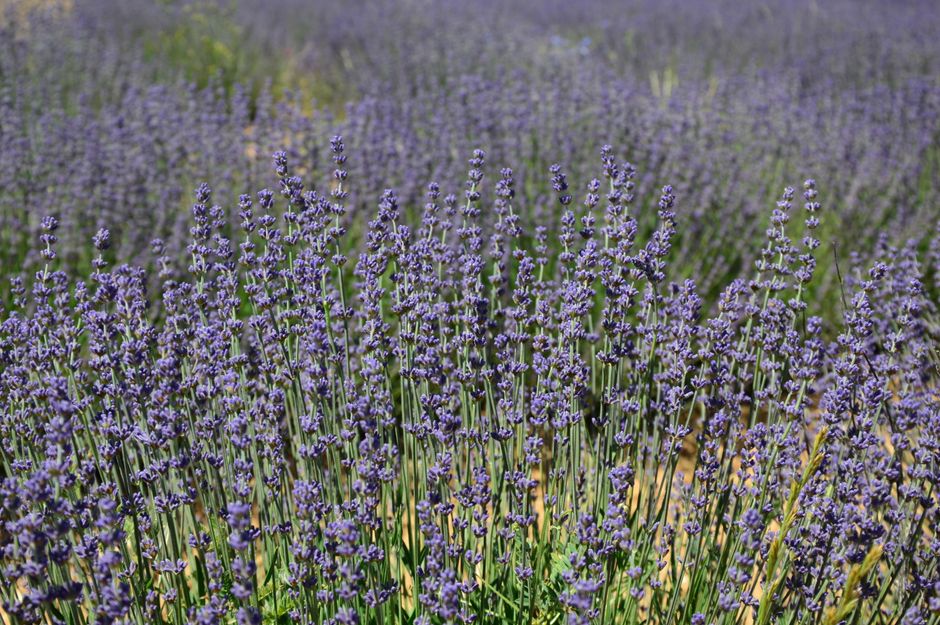
Yes. For the strongest all-round display, plan Furano and Nakafurano between about July 10 and July 25. Farm Tomita’s early lavender can appear in late June, while later varieties continue into early August. The official Hokkaido tourism site lists the wider lavender season as late June to early August, but the peak look changes with the variety, weather, and field location.
Mid-July gives you the best balance: deep purple rows, green hills, and a reasonable chance of clear views toward the surrounding peaks. It also brings the largest crowds. Arrive before 9:00 a.m. if you want space for photographs and easier parking. The light is softer, the air feels cooler, and the flower scent has not yet been mixed with the busiest foot traffic.
What happens if the flowers are late or fading?
Do not build the whole trip around one field. A warm spell can push blooms forward, while rain can flatten a section or make the paths muddy. Keep one flexible morning for a second flower stop in Nakafurano, Kamifurano, or Biei. Lavender is only one part of the landscape: poppies, sunflowers, green farm terraces, and the long views across the Tokachi plain still make the route worthwhile after the purple peak.
My clear timing verdict is simple: choose July 10–25 for the highest chance of a classic lavender scene, then accept that the exact peak cannot be guaranteed months ahead. Check the official flower updates shortly before departure and keep your schedule loose enough to move the field visit by one day.
How should you plan around Hokkaido’s mountain weather?
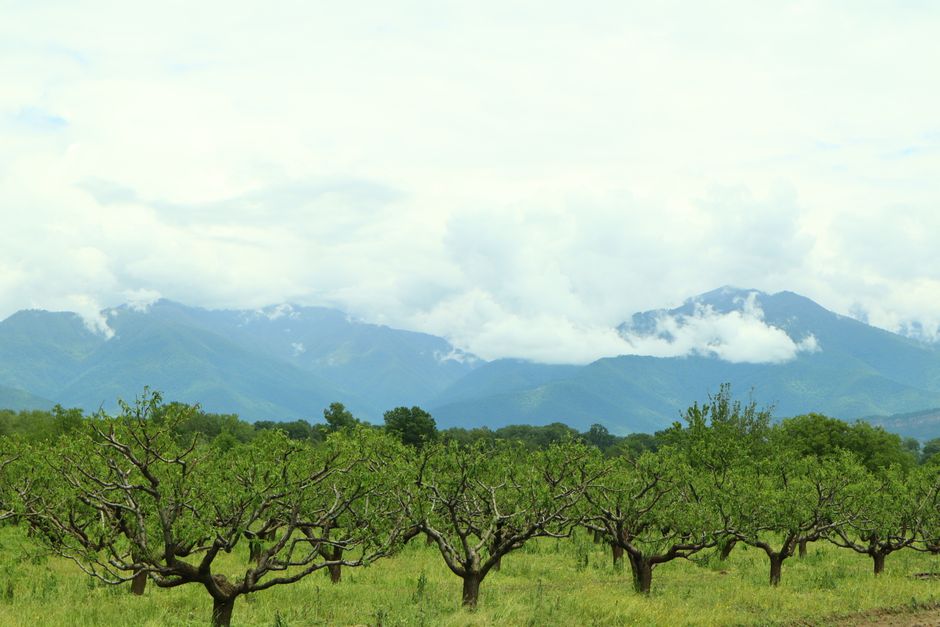
The valley may feel warm at lunchtime while Asahidake feels cold, windy, and wet. Elevation changes the day faster than the calendar does. Build the mountain portion around conditions, not around a promise that the sky will stay clear.
- Start with the forecast at the elevation you will visit. Check Asahidake or Daisetsuzan conditions on the morning of the outing. A Sapporo forecast cannot tell you much about cloud, wind, or visibility at a high station.
- Use the first clear morning for the highest viewpoint. Clouds often gather later, and mountain visibility can change within minutes. Keep a lowland activity for the afternoon if the summit view disappears.
- Pack one warm layer and one rain layer. A thin fleece or light insulated jacket handles cold air. A waterproof shell handles short showers and wind. A cotton sweatshirt becomes heavy when damp.
- Wear shoes with real grip. Lavender paths may be easy, but mountain trails can include loose volcanic ground, wet roots, and uneven steps. Soft city sneakers are a poor choice once you leave the paved viewpoint.
- Set a turnaround time before walking. Do not extend a route just because the next ridge looks close. If visibility drops, return while you still know the trail.
What makes the mountain air feel cooler?
Elevation, wind, shade, and wet clothing work together. The temperature drop matters, but wind removes heat from exposed skin and sudden cloud can cut the daylight. That is why a sunny forecast does not justify carrying only shorts and a T-shirt.
Should you drive or rely on trains?
Choose a car if your priority is connecting small flower farms, viewpoints, and mountain roads in one day. Choose trains and buses if you want a simpler trip based around Furano, Biei, and Asahikawa. The strongest plan for most first-time visitors is to avoid a heroic single-day loop. Spend one night near Furano or Biei, then give Daisetsuzan its own weather window.
Which route best connects Sapporo, lavender, and Daisetsuzan?
For a first visit, I would use Sapporo as the arrival base, sleep two nights around Furano or Biei, and finish near Asahikawa before returning to Sapporo or the airport. That order reduces backtracking and leaves room to move the lavender morning when the forecast changes.
The practical transport choices
| Transport or attraction | 2026 reference price | Best use |
|---|---|---|
| JR Hokkaido Sapporo-Furano Area Pass | ¥11,000 in advance; ¥12,000 at a station | Four consecutive days across New Chitose, Sapporo, Otaru, Furano, Biei, and Asahikawa |
| Furano Lavender Express | ¥5,440 one way from Sapporo at the regular fare | Direct summer train when the operating date and timetable fit your plan |
| Rapid Airport train | ¥1,230 non-reserved from New Chitose Airport to Sapporo | Simple airport transfer without committing to a full rail pass |
| Daisetsuzan Asahidake Ropeway | ¥3,500 adult round trip in the June–October peak season | Ten-minute ascent to a high mountain viewpoint and walking area |
| Farm Tomita | Free admission | Early morning lavender visit, usually strongest in July |
The Sapporo-Furano Area Pass is my transport pick for a four-day central Hokkaido route that includes the airport, Furano, Biei, and Asahikawa. It becomes less attractive if you only travel Sapporo to Furano and back. Compare regular fares before buying, and remember that the pass does not cover Sapporo subway, streetcars, or every local bus.
A route that leaves room for bad weather
Day one: arrive in Sapporo and sleep there. Day two: take the train to Furano or Biei, then visit a lavender field early the next morning. Day three: use the clearest forecast for Asahidake or another Daisetsuzan viewpoint. Day four: keep Biei, a farm meal, or a slower return journey as your buffer. This route wins because one delayed train or rainy mountain morning does not damage the entire holiday.
What should you pack for warm valleys and cold ridges?
My strongest recommendation is to pack a proper waterproof shell, not a bulky hoodie. The shell handles wind and rain, while a light mid-layer gives you warmth when the temperature falls. That combination works in the lavender fields, on a ropeway platform, and during a short mountain walk.
The lightest useful rain shell
The Montbell Versalite Jacket Men’s costs ¥24,000 in the current Japanese listing and weighs about 143g. It suits travelers who want minimum bag weight and already own a warm layer. Its low weight makes it easy to carry all day, but the thin construction needs more care around sharp branches and rough rock.
The tougher choice for regular hikers
The Montbell Storm Cruiser Jacket Men’s costs ¥22,000 and weighs about 254g. I would choose it over the Versalite for repeated hiking days because the extra weight buys a more substantial shell and a broader use case. For a single sightseeing trip, the Montbell Rain Hiker Jacket Men’s costs ¥11,900, weighs about 257g, and offers the clearest budget verdict. It is the sensible choice for occasional rain protection, though it gives up some refinement compared with the more technical models.
Small items that prevent large problems
Carry a 500ml water bottle, sunscreen, insect repellent, a compact towel, and a plastic bag for damp clothing. Add a cap for the exposed flower fields and gloves only if the forecast suggests unusually cold or windy conditions. Do not pack heavy winter gear for a normal July itinerary. Layering gives you more control and leaves room for local food, lavender products, and a camera.
What mistakes can ruin a lavender and mountain itinerary?
Can you visit the fields and the mountains in one day?
You can, but I do not recommend it. A field visit, a long transfer, and a mountain ride create too many fixed times. If the morning train runs late or clouds cover the high trail, the day becomes a race. Keep the flower area and mountain area on separate days. That choice gives you better photographs, fewer missed connections, and time to stop when a view deserves more than five minutes.
Should you book every night in one city?
No. One base can simplify luggage, but it adds long return journeys and makes clear-weather decisions harder. Two nights around Furano or Biei create a practical middle ground. Move again only when the next location saves meaningful travel time.
The other common mistake is treating July as guaranteed blue-sky season. Hokkaido can deliver cool air, rain, heat, and fog within the same trip. Plan the fixed pieces around transport availability, then protect one flexible day for the view you care about most. That approach feels less dramatic on paper, but it produces the better holiday.
Hokkaido’s summer appeal is likely to grow as travelers look for flower landscapes without the deepest mainland heat. The lasting idea is not a perfect lavender photograph; it is a route that lets lowland color and highland weather change the mood of the same journey.