
The common misconception is that a July trip to Patagonia is simply the summer trip with colder temperatures. It is not. July is a different travel product with shorter daylight, snow and ice on trails, fewer open services, stricter park rules, and a much higher cost of getting a decision wrong.
My verdict is clear: Patagonia in July is worth it for travelers who want snowy landscapes, quiet roads, flexible day trips, and a real winter experience. It is a poor choice for anyone expecting to complete the normal multi-day W or O trekking routes without a guide, open refugios, and backup plans.
Is Torres del Paine open for a July visit?
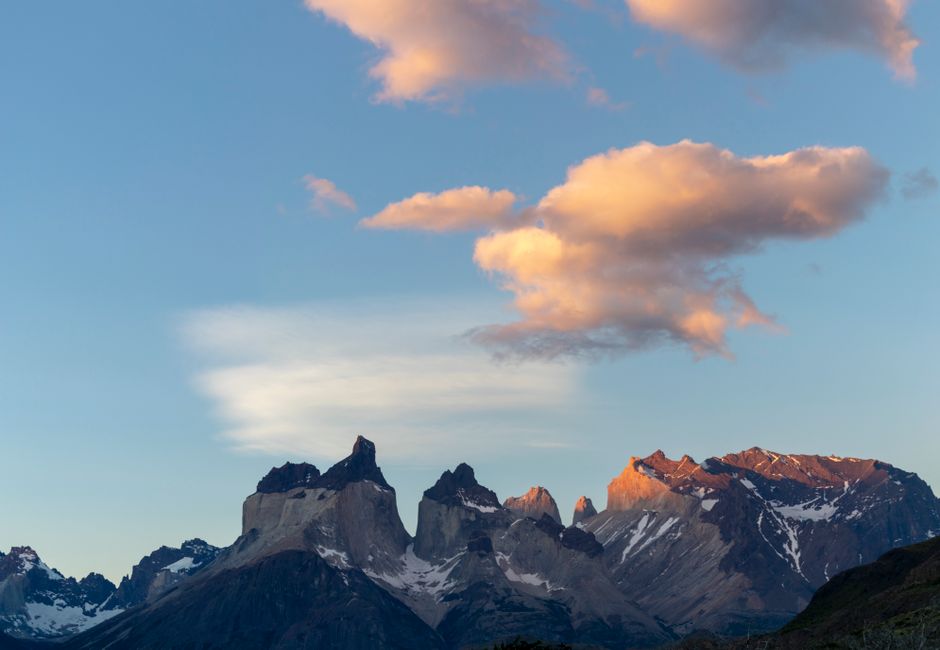
Yes, Torres del Paine can be open in July, but “open” does not mean every trail, ferry, lodge, or route operates normally. This distinction is the most important fact in the entire decision.
What usually remains practical
Road-based sightseeing is the strongest winter option. You can use Puerto Natales as a base, drive toward the park when conditions allow, and visit viewpoints along the vehicle route. Short walks near accessible areas may also work, but the guard station, road, and trail report should decide the day’s plan. A guided winter excursion can add safety and transport, especially if you do not have snow-driving experience.
What may be restricted
The 2026 winter rules require a specialized accredited guide for the W route and Base Torres during the relevant winter period. CONAF also announced a temporary closure of the W circuit during June and July 2026 because essential concession services could not guarantee safe operations. Base Torres remained a separate possibility under tighter conditions, while navigation on Lago Pehoé and Lago Grey faced restrictions. The 2026 winter regulation sets specific requirements and should be read before booking.
Do not pay for a nonrefundable trekking package before confirming the exact operating status for your dates. A summer itinerary copied into a July booking is a failure mode, not a travel plan.
What can you do in Patagonia during July?
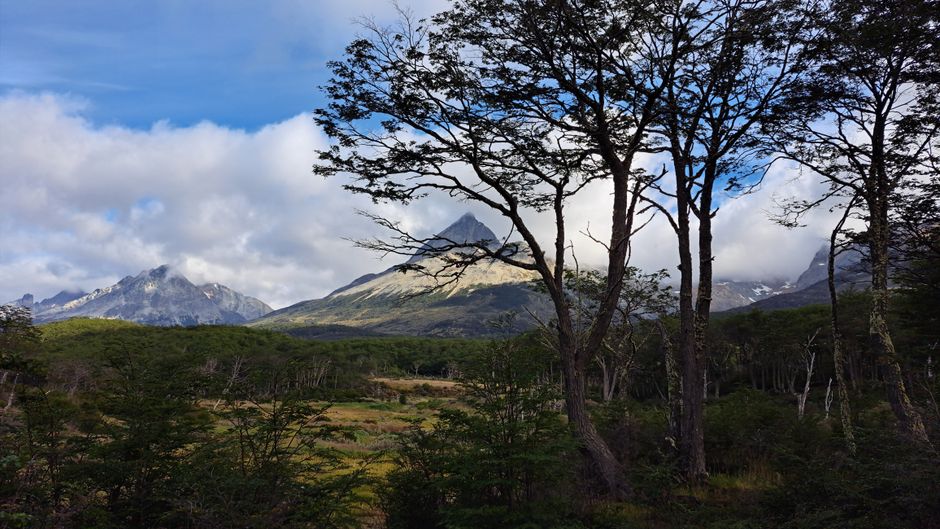
Build the trip around flexible day activities, not a single heroic hike. That approach produces a better winter experience and gives weather disruptions somewhere to go.
- Use Puerto Natales as your control point. Stay several nights rather than moving every day. Check road, trail, and weather conditions each morning before leaving.
- Take a vehicle-based Torres del Paine day. The park’s road viewpoints can show the Paine massif, lakes, waterfalls, and wildlife without committing to a multi-day trail.
- Book one guided winter outing. A local guide can assess ice, wind, visibility, and current access faster than a traveler relying on an old social-media post.
- Keep one non-park day. Use it for Puerto Natales, a museum, a local food day, or a short excursion that does not depend on a high trail.
- Protect every transfer. Avoid connecting an international flight directly to a remote-area bus or a prepaid excursion. Leave a buffer night in Punta Arenas or Puerto Natales.
Activities that look better than they work
Long unguided ridge hikes, rental-car shortcuts on icy roads, and “we will decide when we arrive” trekking plans often fail in July. Winter visitors need earlier starts, warmer rest stops, and a realistic turnaround time. A route that takes eight hours in a summer itinerary may require more margin once snow, ice, navigation, and limited daylight enter the calculation.
For a first winter visit, the strongest plan is a slow one: two nights in Punta Arenas, four nights in Puerto Natales, and at least one weather buffer. That creates enough time for a missed excursion without turning the entire trip into a claims dispute.
What should you pack for a July Patagonia trip?
Pack for wet cold and wind, not just low temperatures. A warm jacket that fails in rain is a weak policy with a high deductible. Use a three-layer system: a moisture-managing base layer, an insulating middle layer, and a waterproof shell. Add gloves that still work when wet, a warm hat, spare socks, sunglasses, sunscreen, and a headlamp.
Useful gear examples and realistic costs
You do not need premium equipment for every item, but winter Patagonia punishes weak footwear and poor rain protection.
Prices change by country, retailer, and sale period, so these are planning figures rather than promises. Rent or borrow technical items if a single trip does not justify the purchase.
The mistakes that cause the most trouble
- Wearing ordinary sneakers on packed snow or ice.
- Bringing one pair of gloves and having no dry backup.
- Using cotton as the main base layer.
- Assuming a waterproof-looking jacket has sealed seams.
- Carrying no headlamp even though daylight ends early.
- Leaving traction devices in the bag because the trail looks clear at the trailhead.
Do not buy expensive expedition equipment simply because the trip sounds extreme. For a road-based itinerary, warm waterproof clothing and safe traction matter more than an oversized technical pack.
Do you need travel insurance for Patagonia in July?
State Department advises travelers to consider medical evacuation protection. A standard medical policy may not cover trekking, snow travel, guide-required routes, or a search and rescue event.
Compare coverage, not just the premium
| Coverage item | Why it matters in July | Exclusion to check |
|---|---|---|
| Emergency medical | Pays eligible treatment after an injury or illness | High-altitude, winter-sport, or remote-area exclusions |
| Medical evacuation | Helps pay for transport from a remote area to suitable care | Evacuation must be medically necessary or preapproved |
| Trip interruption | Can help after a covered event forces an early return | Weather closures may not qualify without a covered trigger |
| Trip delay | Useful when flights, buses, or roads stop moving | Minimum delay hours and documentation requirements |
| Adventure activity coverage | May cover guided trekking or snow activity | Unguided routes, trail violations, and prohibited areas |
How to judge an insurer
AM Best financial-strength ratings can help you assess an insurer’s ability to meet obligations, but the rating does not tell you whether a particular policy covers winter trekking. J.D. Power scores can describe customer experience in an insurance segment, yet those scores are not a substitute for reading the travel policy wording. For example, a high digital-service score does not erase an exclusion for an unapproved route or missing guide.
Premiums vary by state and individual factors, including age, trip cost, destination, travel dates, medical history, and selected limits. State-specific insurance rules also affect policy availability and wording. Get multiple quotes, compare the exclusions line by line, and ask in writing how the policy treats guided winter hiking, trail closures, missed connections, and medical evacuation.
What does a sensible one-week July itinerary look like?
A seven-day plan should leave room for a bad-weather day. The following schedule is stronger than a fixed trekking route because it places the expensive, weather-sensitive activities in the middle of the trip and keeps a buffer before departure.
| Day | Base | Plan | Risk control |
|---|---|---|---|
| 1 | Punta Arenas | Arrive, collect winter clothing, and rest | Do not connect directly to a remote excursion |
| 2 | Puerto Natales | Transfer and check current park conditions | Keep the afternoon free for delays |
| 3 | Puerto Natales | Road-based Torres del Paine sightseeing | Confirm road access before departure |
| 4 | Puerto Natales | Guided winter walk or approved Base Torres plan | Use an accredited guide and proper traction |
| 5 | Puerto Natales | Weather buffer or short local excursion | Move the main activity here if Day 4 closes |
| 6 | Punta Arenas | Return and keep the evening local | Avoid same-day international connections |
| 7 | Punta Arenas | Departure | Leave margin for wind, snow, or delayed buses |
Why this itinerary beats a summer copy
It separates the trip into three risk layers: transport, park access, and hiking conditions. If one layer fails, the other days still have value. That is the correct way to price winter travel: not by asking whether every activity will operate, but by asking how much of the trip remains enjoyable if one activity does not.
Skip this itinerary if your only goal is to complete the full W or O Circuit. The O Circuit is closed in the winter period, and the W may be restricted or temporarily closed depending on the operating season and safety status. Choose summer instead.
Final recommendation: take a July Patagonia trip if you want snow, solitude, photography, and flexible road-based exploration, and book at least one guided activity with a weather buffer. Do not go in July for a normal self-guided W or O trek; for that specific purpose, December through February is the better purchase of time, money, and safety.