
Are five days enough to see the Norwegian fjords in midsummer without spending every hour in transit? Yes, but only if you choose one compact route, protect time for bad weather, and stop treating long daylight as extra travel capacity. My clear pick for a first trip is Bergen, Flåm, Nærøyfjord, and Aurlandsfjord in that order.
When is the best time to visit Norwegian fjords in midsummer?
June through August offers the easiest access to Norway’s western fjords, but the three months feel different. Midsummer gives you long evenings, open mountain roads, frequent boat departures, and green valleys under snow-streaked peaks. It does not guarantee sunshine. Fjord Norway has a coastal climate, so a blue morning can become a wet, windy afternoon.
June gives you the best scenery contrast
Choose June if waterfalls and snow on the high ridges matter most. Melting snow feeds the falls, while the lower valleys turn green. Around the summer solstice, Bergen and the western fjords have very long twilight, although they do not get the true midnight sun found north of the Arctic Circle. June can still feel cool on exposed ferry decks and mountain paths, so a rain shell matters more than shorts.
July is the easiest month for a first trip
July usually offers the broadest choice of guided hikes, kayak trips, buses, ferries, and accommodation. It is also the busiest and most expensive period. Book transport and rooms early, then leave one flexible afternoon in the plan. That spare block is not wasted time; it is insurance against fog, ferry delays, or a forecast that makes a high trail unsafe.
August is calmer but less predictable
August can deliver warm valleys and quieter evenings, especially after the first half of the month. Rain remains a real possibility, and daylight slowly shortens. My verdict: choose June for waterfalls, July for dependable logistics, and August for a slower pace. For most first-time visitors, late June or early July is the strongest compromise.
How should you build a five-day fjord route?
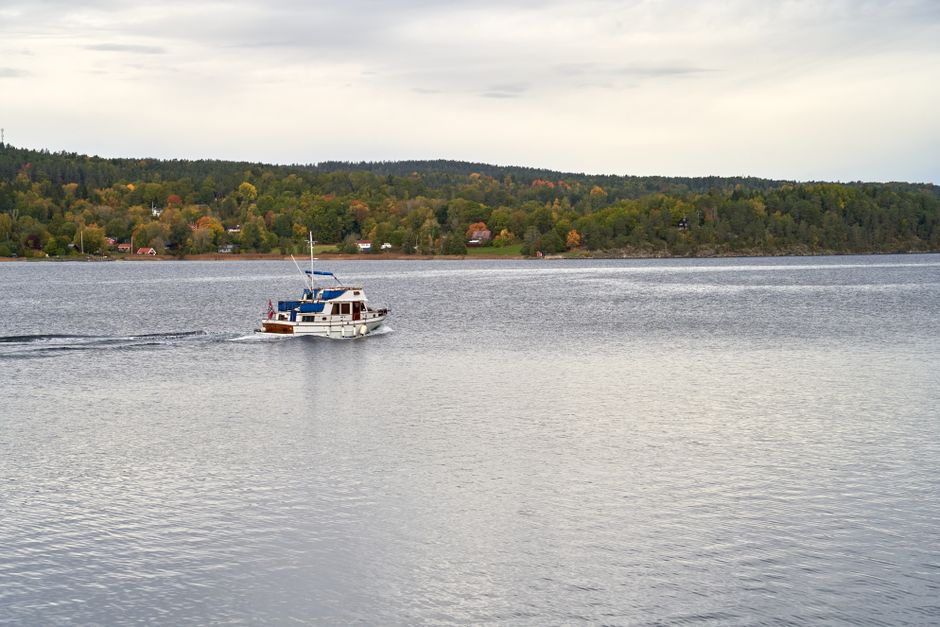
The winning structure is a loop with two bases, not a checklist of every famous viewpoint. Keep the longest transfer on a travel day and use the middle days for water and walking. The route below works from Bergen and keeps the main scenery concentrated in western Norway.
Use this five-day sequence
- Day one: Arrive in Bergen, walk Bryggen and the harbor, and sleep in the city. Do not add a fjord excursion after a long international flight.
- Day two: Take the Bergen Railway to Voss, continue toward Flåm, and ride the Flåm Railway if the timetable fits. Sleep in Flåm or Aurland.
- Day three: Cruise through Nærøyfjord and Aurlandsfjord. Spend the afternoon on a short valley walk or at the Stegastein viewpoint rather than adding another major transfer.
- Day four: Return toward Bergen by boat or bus and train, depending on the schedule. Keep this day light because summer departures can sell out or shift.
- Day five: Use Bergen for a weather-proof finish: museums, cafés, the fish market, or a short ride up Mount Fløyen.
Why this order beats a rushed road trip
The route pairs railway, boat, and road travel without forcing you to drive every mountain road. It also gives you a practical escape route. If rain closes a hike, the fjord cruise still works. If the cruise is canceled, Bergen has enough indoor options to protect the trip. My verdict is simple: choose depth over distance. A five-day visit should not attempt Bergen, Flåm, Geirangerfjord, Trolltunga, and Ålesund in one sweep.
Which fjord base is best: Bergen, Flåm, or Ålesund?
There is no single best base for every itinerary, but there is a clear winner for a first visit. Bergen gives you the most transport flexibility, Flåm puts you closest to the classic fjord scenery, and Ålesund works best for travelers who specifically want Geirangerfjord and coastal architecture.
| Base | Best for | Tradeoff | My verdict |
|---|---|---|---|
| Bergen | First-time visitors, weather flexibility, museums | Less immersive than sleeping beside a narrow fjord | Best main base |
| Flåm or Aurland | Nærøyfjord, Aurlandsfjord, scenic rail | Small accommodation supply and higher summer prices | Best one-night stop |
| Ålesund | Geirangerfjord, islands, coastal culture | Longer transfer from Bergen and a wider route | Best for a second trip |
Choose Bergen when flexibility matters
Bergen has the strongest backup plan. You can reach it by train, ferry, or flight, and a wet day still offers Bryggen, KODE museums, the aquarium, and covered cafés. That flexibility has real value in a region where forecasts change quickly.
Choose Flåm when the fjord is the main event
Flåm rewards an overnight stay because the village quiets down after the day visitors leave. The Flåm Railway and the Norway in a Nutshell route make logistics easy, but bundled convenience can cost more than buying separate tickets. My verdict: sleep in Flåm or nearby Aurland for one night, then return to Bergen. Pick Ålesund instead only if Geirangerfjord outranks Nærøyfjord on your list.
What should you pack for cold rain and long daylight?
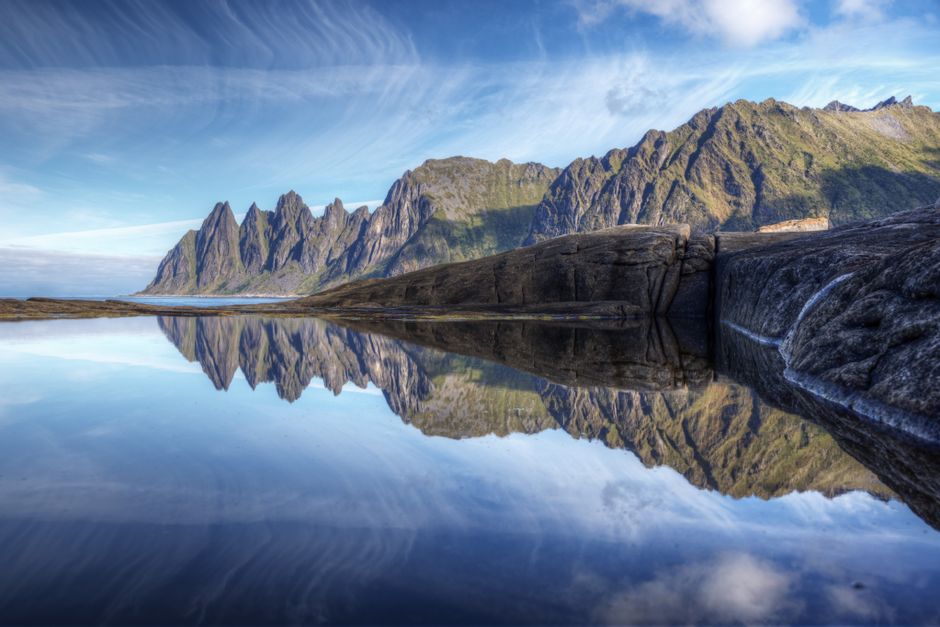
Pack for wet wind, not summer heat. A midsummer fjord trip needs a light layering system, shoes that grip wet surfaces, and a small bag that stays comfortable on trains and boats. Buying expensive expedition gear is unnecessary for a sightseeing itinerary, but bringing a cotton hoodie as your only warm layer is a predictable mistake.
Build a three-layer system
Start with a quick-dry base layer, add fleece or light insulation, and carry a waterproof shell with a hood. Pack two pairs of socks, quick-dry trousers, gloves, sunglasses, sunscreen, and a dry bag for electronics. Trail shoes are enough for ordinary viewpoints and marked valley paths. Technical boots make sense only for longer hikes where ankle support and rough terrain justify the weight.
Use gear examples as price anchors, not shopping instructions
Know when not to buy the premium option
Do not buy a Garmin inReach Mini 2 for a guided boat itinerary with strong mobile coverage and no remote hiking. Its SOS and two-way satellite messaging are useful on isolated trails, but the subscription is a recurring fee. My verdict: spend first on waterproofing and comfortable footwear; add satellite gear only when your route truly leaves normal coverage.
How much does a Norwegian fjord trip really cost?
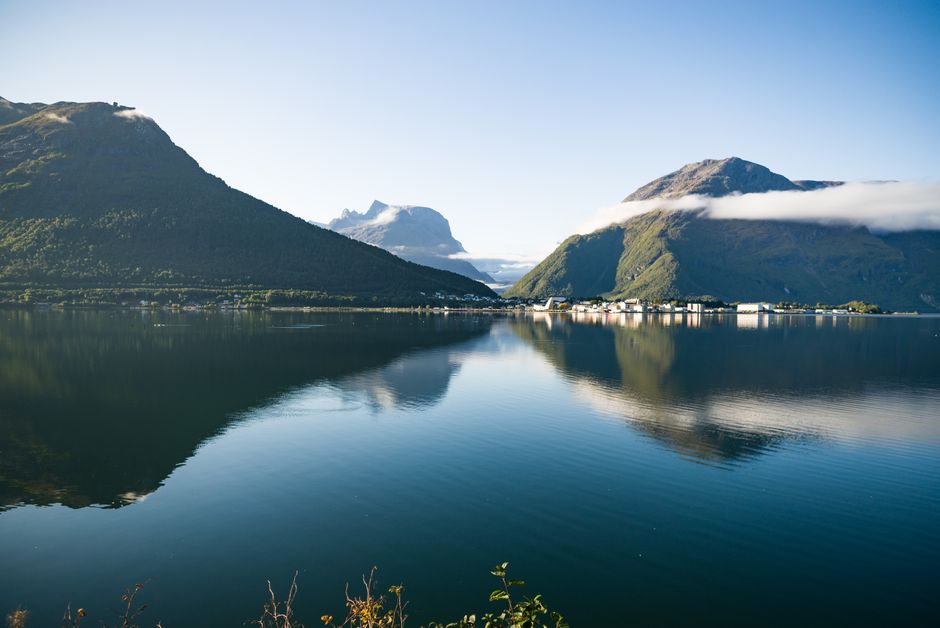
A five-day fjord trip for two people sharing rooms can land around NOK 8,100 to NOK 16,400 per person before international flights. That range is wide because accommodation, restaurant meals, and organized excursions rise sharply in July. Treat every advertised fare as a starting point, then check luggage, seat, cancellation, and booking fees before paying.
Use a planning budget, not a fantasy fare
| Category per person | Lean plan | Comfortable plan | What changes the bill |
|---|---|---|---|
| Five nights lodging | NOK 5,000 | NOK 10,000 | Private room, location, July demand |
| Trains, buses, and ferries | NOK 1,600 | NOK 3,500 | Advance fares versus bundled tours |
| Food and drinks | NOK 1,500 | NOK 3,500 | Supermarket meals versus restaurants |
| Activities and local transport | NOK 0 | NOK 2,000 | Kayaking, viewpoints, and guided hikes |
| Estimated total | NOK 8,100 | NOK 19,000 | Per person, before flights |
Norway does not become cheaper because a credit card delays the bill. Pay with cash flow you already have. This is not financial advice; it is a warning to include financing cost in the trip budget.
Bottom Line
For a first midsummer visit, Bergen plus one night in Flåm or Aurland is the best value-to-scenery balance. Choose a bundled Norway in a Nutshell trip for easier coordination, separate tickets for more control, and Hurtigruten only if you want a much longer coastal voyage rather than a focused fjord break. My final comparison is below.
| Trip style | Best choice | Verdict |
|---|---|---|
| Five-day first visit | Bergen, Flåm, Nærøyfjord | Best overall plan |
| Lowest planning effort | Norway in a Nutshell | Pay more for coordination |
| Remote hiking focus | Independent route with safety margin | Skip premium gear unless the terrain requires it |
| Long coastal voyage | Hurtigruten Coastal Express | Choose it for the ship experience, not a five-day fjord loop |