
Bali sits about 8 degrees south of the equator, yet August mornings in the highlands can feel cool enough for a light jacket, with temperatures sometimes near 18°C around Ubud. The coast is warmer, drier, windier, and much busier. That split shapes the whole trip.
My clear verdict: August is one of the best months for Bali if you plan around crowds instead of pretending they will not exist. Start outdoor visits early, keep the hottest hours flexible, and treat temples as cultural sites rather than quick photo stops. You will get clearer beach days, better walking conditions on rice-field paths, and less risk of a full afternoon washout than in the wet season.
Is August a good month to visit Bali?
Choose August for dry weather and outdoor days
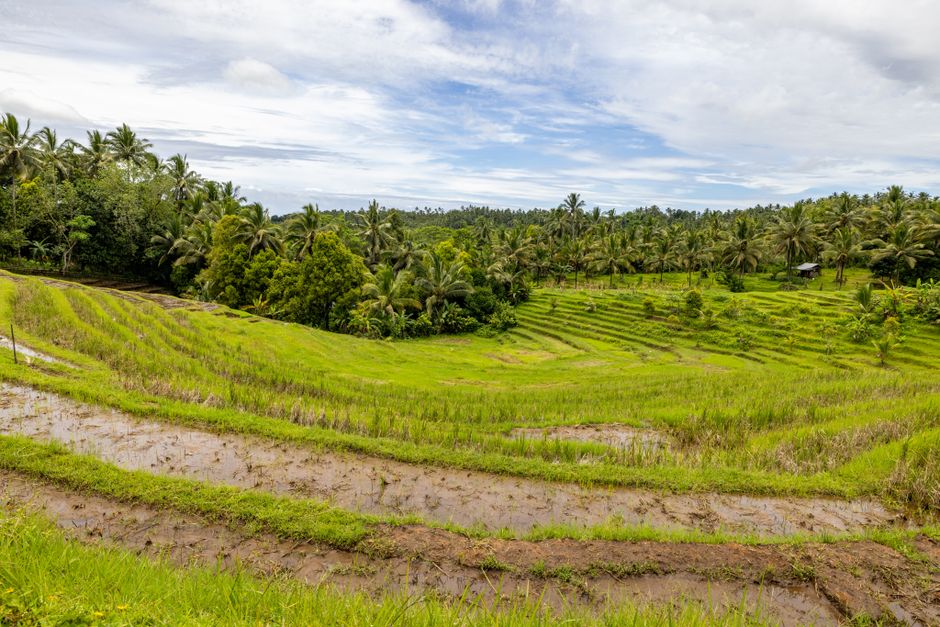
August falls in Bali’s dry season. Southern areas such as Seminyak, Canggu, Sanur, and Nusa Dua usually offer long sunny periods, lower humidity, and fewer heavy rainstorms. That makes August a strong choice for swimming, boat trips, temple visits, and walks through the rice fields.
The trade-off is wind. Beaches on the south and west coasts can turn choppy in the afternoon, while the east coast often feels calmer in the morning. Mountain areas can also feel cool after sunset. Pack for more than one climate zone, even if your hotel sits beside the sea.
Expect crowds, higher prices, and busy roads
August sits inside the main European and Australian holiday period, so Bali receives heavy visitor traffic. Popular beach clubs fill quickly, Uluwatu parking becomes frustrating by late morning, and the roads between the airport, Canggu, Ubud, and the Bukit Peninsula can move at walking speed.
Book accommodation near the area you plan to explore most. Staying in Canggu while visiting Uluwatu, Ubud, and Nusa Dua every day creates long transfers that can erase half your holiday. For a first visit, split the trip between a coastal base and Ubud rather than crossing the island repeatedly.
How should you plan Bali beaches in August?
Use the morning for swimming and the afternoon for views
The best beach plan is simple: swim early, eat lunch before the crowds peak, and use the afternoon for a different type of activity. August mornings usually bring gentler water, cooler sand, and better visibility. By mid-afternoon, wind can push seaweed onto some beaches and create stronger waves.
- 06:30–09:00: Swim or walk at Sanur, Nusa Dua, or Jimbaran before the heat builds.
- 09:00–11:00: Have breakfast and allow time for a shower, since salt and sun become uncomfortable quickly.
- 11:00–14:30: Choose shade, a museum, a long lunch, or a hotel break instead of forcing more beach time.
- 15:00–17:30: Visit a west-facing beach for sunset, or move to a cliff viewpoint if the sea looks rough.
Pick the coast for the experience you want
Sanur is the best all-round beach for families, sunrise walks, and calmer water. Nusa Dua has cleaner resort beaches and reliable facilities, but it feels more controlled and less local. Jimbaran works well for a relaxed evening meal beside the water. Uluwatu offers the strongest cliffs and surf scenery, yet swimming conditions can be dangerous on beaches with strong currents.
Canggu and Seminyak suit visitors who want cafés, nightlife, and beach clubs more than quiet sand. They are not my first choice for a classic beach holiday in August because traffic and crowds reduce the sense of escape. For calm water and easy logistics, Sanur wins.
What should you know before visiting Balinese temples?
What should you wear?
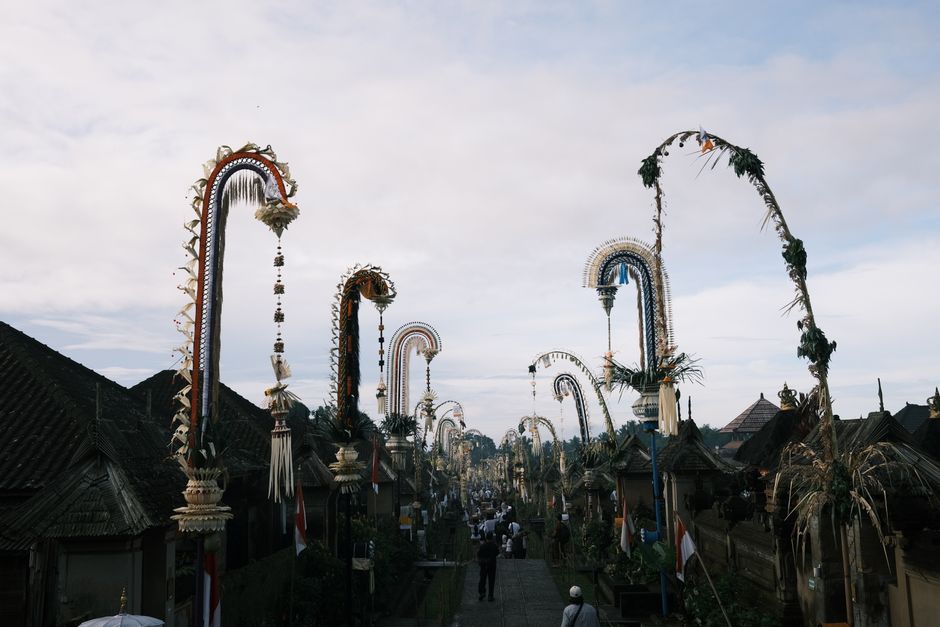
Cover your shoulders and knees, and wear a sarong when the temple requires one. Many major sites provide sarongs at the entrance, but bringing a lightweight one makes the process faster. A loose shirt, long skirt, or trousers works better than tight sportswear during a hot afternoon visit.
Can you visit during ceremonies?
Yes, but a ceremony changes the rules. Entrances may close, roads may narrow, and visitors may need to wait. Never walk in front of worshippers, touch offerings, or photograph people at close range without permission. A temple guide can explain where visitors may stand and when it is appropriate to take photos.
Which temple timing works best?
Visit water temples such as Tirta Empul early, before the pools and courtyards become crowded. Uluwatu is better later in the day for cliff light, but arrive early enough to avoid the worst traffic and secure a place for the Kecak performance. Keep sunglasses and loose belongings secured around monkeys, especially at Uluwatu and nearby forest sites.
What does a practical August day in Bali look like?
Use this schedule as a starting point
A good August day alternates between demanding outdoor visits and slower indoor or shaded periods. The schedule below works best when all stops sit in the same region. Crossing from the beach to Ubud and then to Uluwatu in one day is a traffic gamble.
| Time | Activity | Why it works in August |
|---|---|---|
| 06:30–08:30 | Beach walk or swim at Sanur | Cooler air, calmer water, softer light |
| 08:30–10:00 | Breakfast and hotel break | Allows time to cool down before sightseeing |
| 10:30–12:00 | Temple or museum visit | Still manageable before peak heat |
| 12:00–14:30 | Long lunch in shade | Protects the hottest part of the day |
| 15:00–17:00 | Rice-field walk or coastal viewpoint | Lower sun and better photography light |
| 17:30 onward | Sunset meal or cultural performance | Cooler temperatures and fewer logistics |
Keep one decision flexible
Do not prepay every hour of the day. August weather is often stable, but wind, road closures, ceremonies, and local events can change the best order. Reserve fixed-entry experiences, then keep one afternoon open for the place that looked too crowded or too hot on your first attempt.
For most travelers, this rhythm beats a checklist of six attractions. You see fewer places, but you actually experience them.
What should you pack for Bali in August?
Pack for sun, short rain, and uneven ground
August usually rewards light clothing, but a small amount of rain protection still earns its space. Bring two quick-drying shirts, one long-sleeve layer, comfortable walking shoes, sandals, sunglasses, sunscreen, insect repellent, and a thin rain shell. A reusable water bottle helps during temple and terrace walks, where shade can be limited.
- Choose sunscreen with at least SPF30 and reapply after swimming or heavy sweating.
- Carry a small towel or spare shirt for humid transfers and beach days.
- Use a dry bag or waterproof pouch for passports, phones, and cash near boats.
- Bring modest clothing for temples instead of relying on hotel borrowing services.
- Keep a small amount of cash for parking, local guides, lockers, and offerings.
Named gear options, with prices treated as estimates
Prices vary by country and sale period, so these figures are planning estimates rather than fixed rates.
When should you skip the extra gear?
Do not buy a large hiking backpack for normal Bali sightseeing. It adds weight in taxis and encourages overpacking. You also do not need heavy waterproof boots unless your trip includes serious volcano hikes. For beaches, temples, terraces, and cafés, a 20L daypack, grippy shoes, and a thin rain layer provide the best balance.
Which August mistakes should you avoid?
Do not schedule the whole island from one hotel
The biggest mistake is treating Bali as a small island because it looks compact on a map. A trip from Canggu to Uluwatu can take more than two hours in heavy traffic, even though the distance appears short. A second mistake is visiting every famous site at midday, when heat and crowds combine to make good places feel disappointing.
Do not assume dry season means perfect sea conditions
Wind, tides, currents, and surf still matter. Ask lifeguards where swimming is safe, and do not enter water near warning flags. Boat trips can also feel rougher than expected on windy days. If snorkeling or diving is central to your plans, leave room to move the trip by a day instead of forcing a poor-weather departure.
Know when August is the wrong choice
Choose another month if your priority is low prices, empty beaches, or quiet roads. May, June, September, and October can offer a calmer balance, although rain becomes less predictable as the wet season approaches. Choose August when clear outdoor weather matters more than solitude, and structure the trip around early starts.
Bali’s dry-season travel will keep changing as visitor numbers, traffic patterns, and local access rules shift. The travelers who enjoy it most will be the ones who leave room for that change: early beaches, respectful temple visits, slower meals, and enough flexibility to follow the island’s weather rather than fight it.