
You land at 6am after a red-eye. Your connection leaves at 11. The terminal is packed, every outlet is taken, and a mediocre sandwich costs $18. You walk past the lounge entrance and wonder if that $65 day pass is worth it just to sit somewhere quiet for three hours.
I’ve tested nearly every lounge access method over the past decade. Some are wildly overpriced. A few are genuinely worth it. Here’s what actually gets you through the door without wasting money.
The Real Cost of a Single Day Pass
Most airlines and independent lounges sell day passes at the door. United Club charges $59. Alaska Lounge asks $60. Admirals Club wants $79. Plaza Premium lounges typically run $45-$65 depending on location.
That’s not automatically a bad deal. If you have a 4-hour layover and would otherwise spend $30 on food and coffee, the math can work. But here’s the catch: many lounges quietly restrict day pass sales during peak hours. You’ll see a small sign at the front desk: “Day passes not available due to capacity.” This happens most often between 6am-9am and 4pm-8pm at major hubs.
Also worth knowing: day passes rarely include premium amenities. Shower access, sleeping rooms, and premium bars often cost extra or are reserved for members. You’re paying for a quieter seat and basic snacks. That’s it.
When a Day Pass Makes Sense
- You have 3+ hours to kill and the terminal is genuinely uncomfortable
- You’d spend at least $35 on food and drinks anyway
- You need a shower and the lounge confirms availability by phone before you pay
- You’re traveling with one person max — day passes multiply fast
When to Skip It
- Your layover is under 90 minutes — you won’t get value
- You’re flying during peak hours and can’t confirm availability in advance
- You’re traveling with a family of four — $240 for snacks is absurd
- You already have a credit card that includes lounge access and just forgot to check
Priority Pass: The Most Misunderstood Lounge Product

Priority Pass is the largest independent lounge network, with 1,500+ locations worldwide. You get it two ways: buy a membership directly ($99-$469/year) or get it included with certain credit cards. The membership itself doesn’t grant free access — it grants the right to enter participating lounges, and each visit either costs a fee or is covered depending on your plan.
The direct membership pricing in 2026 breaks down like this:
| Plan | Annual Fee | Per Visit Fee | Guest Fee |
|---|---|---|---|
| Standard | $99 | $35 | $35 |
| Standard Plus | $329 | $0 for first 10 visits | $35 |
| Prestige | $469 | $0 for all visits | $35 |
Here’s the thing nobody tells you: Priority Pass lounges are often overcrowded. At busy airports like London Heathrow Terminal 5 or JFK Terminal 4, you’ll frequently see signs saying “Priority Pass members: lounge full.” The network has grown so much through credit card partnerships that capacity hasn’t kept up.
Priority Pass works best at second-tier airports. Think Portland, Austin, San Jose, or international locations like Bogotá or Kuala Lumpur. At major hubs, expect to be turned away during peak times.
One genuine bright spot: Priority Pass now includes restaurant credits at many airports. Instead of a lounge, you get $28-$30 off your bill at participating airport restaurants. At places like SFO’s Lark Creek Grill or Denver’s Timberline Steaks, that’s a better value than a cramped lounge chair and sad cheese cubes.
Credit Cards That Actually Get You In
This is where most travelers should focus. A few premium credit cards include lounge access that’s genuinely useful. Not all cards are equal here — some include Priority Pass with the same overcrowding problems, while others offer proprietary lounges that are significantly better.
The Chase Sapphire Reserve ($550/year) includes Priority Pass Select, which covers you and up to two guests. It also gets you into Chase Sapphire Lounges, which are newer and far less crowded. Locations include Boston, Hong Kong, and New York LaGuardia. These lounges are excellent — real food, good coffee, clean showers.
The American Express Platinum ($695/year) includes the broadest lounge access: Centurion Lounges, Priority Pass, Delta Sky Clubs when flying Delta, and Plaza Premium locations. Centurion Lounges are the best domestic lounges in the US, period. But they’ve gotten crowded too. At peak times you’ll wait 20-30 minutes to get in at places like Las Vegas or Miami.
The Capital One Venture X ($395/year) is the sleeper pick. It includes Priority Pass and Capital One Lounges, which are newer and less crowded than Centurion. The Dallas and Denver locations are genuinely pleasant. At $395 with a $300 annual travel credit, the effective cost is $95 — cheaper than a single Priority Pass Standard membership.
My recommendation for most people: the Venture X if you travel 3-4 times a year. The Platinum if you fly Delta regularly or live near a Centurion lounge. The Sapphire Reserve if you want Chase’s transfer partners and don’t mind Priority Pass crowds.
Airline-Specific Lounges: The Quiet Alternative
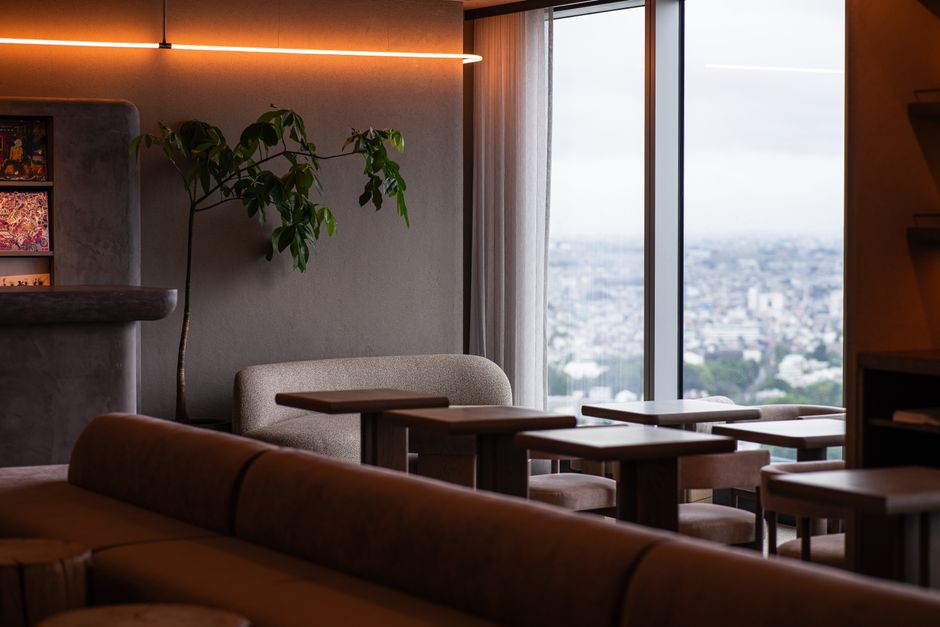
Airline lounges are more consistent than independent networks. Delta Sky Clubs, United Clubs, and American Admirals Clubs have higher standards for food, cleanliness, and crowding. But access is harder to get.
Delta Sky Club access requires: a Delta SkyMiles Reserve card ($650/year), an Amex Platinum when flying Delta, or a paid membership ($695/year for general members). Day passes aren’t sold anymore — Delta eliminated them in 2026 and hasn’t brought them back. That’s actually good for members, since it keeps crowding manageable.
United Clubs still sell day passes at $59, but as mentioned, they’re frequently restricted during peak hours. The United Club Infinite card ($525/year) includes full membership.
American Airlines Admirals Clubs are the easiest to access: $79 day pass, or the Citi AAdvantage Executive card ($595/year) includes full membership. Admirals Clubs are generally less crowded than Sky Clubs, especially at non-hub airports.
Here’s my honest take: if you fly one airline consistently, get that airline’s co-branded premium card. The lounge quality and consistency beat Priority Pass every time. If you fly multiple airlines, the Venture X or Platinum makes more sense.
Lounge Etiquette Mistakes That Get You Turned Away
Most people don’t get rejected because of capacity. They get rejected because they break rules they didn’t know existed. Here are the common ones:
- Dress codes: Some international lounges — particularly in the Middle East and Asia — still enforce dress codes. No tank tops, no flip-flops, no gym clothes. Qatar Airways’ Al Mourjan lounge in Doha will turn away travelers in shorts.
- Guest limits: Your Priority Pass card might allow two guests, but your specific credit card version might allow zero. Chase Sapphire Reserve allows two. Some Amex versions allow two. But many co-branded airline cards include lounge access for the cardholder only. Check before you bring the whole family.
- Arrival access: Most lounges are departure-only. You can’t land and walk into a lounge to freshen up — with a few exceptions. Amex Centurion lounges allow arrival access. Some Priority Pass locations do too. But United Clubs and Delta Sky Clubs generally don’t.
- Boarding time rules: Some lounges limit entry to 3 hours before departure. You can’t camp out for 8 hours. This is common at Plaza Premium locations in Asia.
- Alcohol limits: Lounges will cut you off. Getting drunk in a lounge is the fastest way to get banned and possibly denied boarding.
What Actually Works: A Straightforward Decision Matrix
Here’s the short version. No fluff.
You fly 1-2 times per year: Don’t buy anything. Just pay for a day pass if the terminal is unbearable and you have 3+ hours. You’ll spend $60, which is cheaper than any annual fee.
You fly 3-6 times per year: Get the Capital One Venture X. The $395 fee nets out to $95 after the travel credit. Priority Pass plus Capital One Lounges covers most airports. This is the best value in travel cards right now.
You fly 7+ times per year: Get the Amex Platinum. The Centurion network alone justifies the $695 fee if you use it monthly. Add in Delta Sky Club access when flying Delta, and it’s unbeatable for frequent flyers.
You fly one airline exclusively: Get that airline’s premium co-branded card. Delta loyalists want the SkyMiles Reserve. United flyers want the Club Infinite. American flyers want the Citi AAdvantage Executive. The lounge consistency is worth more than any independent network.
You want to avoid cards entirely: Buy a Priority Pass Prestige membership at $469/year if you’ll visit 10+ times. Otherwise, just pay for day passes as needed.
The Overlooked Alternative: Airport Hotel Day Rates
One option most travelers never consider: airport hotels sell day-use rooms. The Hilton at Heathrow, the TWA Hotel at JFK, the Grand Hyatt at DFW — all sell blocks of 4-8 hours for $80-$150. You get a real bed, a private bathroom, total quiet, and no crowding. No membership required.
For long layovers, this beats any lounge. A 6-hour layover gets you a nap, a shower, and a place to spread out. You can book day-use rooms through Dayuse.com or directly through hotel apps. The TWA Hotel at JFK even sells pool passes with day rooms in summer.
Lounge access isn’t a status symbol. It’s a math problem. Figure out your actual travel frequency, calculate the per-visit cost of each option, and pick the one that costs less than what you’d spend on airport food and discomfort. For most people in 2026, that’s the Venture X card or a day-use hotel room. The rest is marketing.