
Planning a Singapore Chinatown visit before Lunar New Year? The best approach is a slow heritage walk that begins with the district’s history, continues through its temples and conserved shophouses, and ends with festive food or street decorations.
Singapore’s 2026 Chinese New Year public holidays fell on 17 and 18 February. The exact dates change each year, but the planning issue stays similar: the days before the holiday offer festive energy, while the holiday itself can bring altered opening hours, heavy crowds, and closed family-run businesses. Check the official Singapore holiday calendar before fixing your route.
Why visit Chinatown before Lunar New Year?
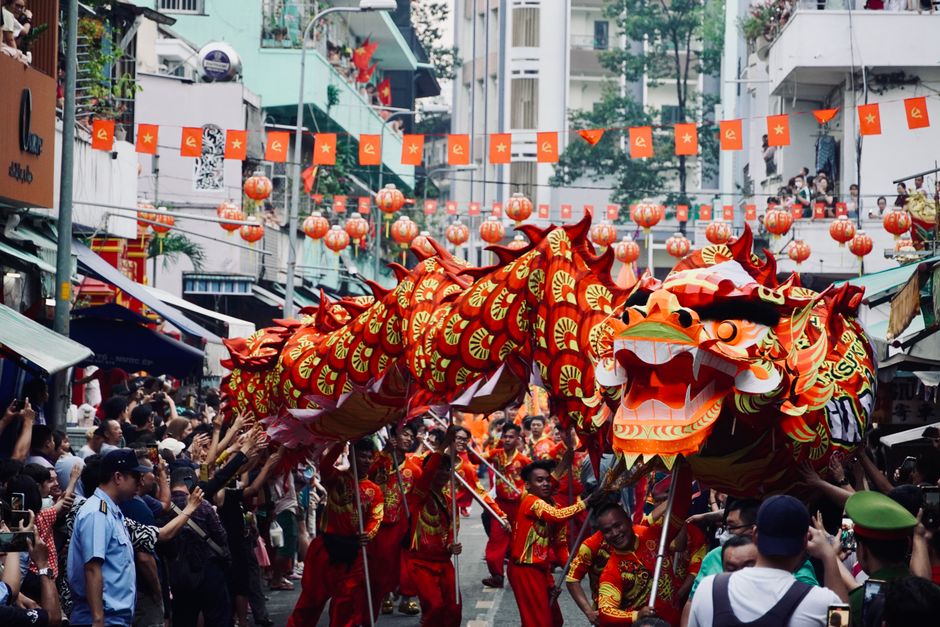
Go before the holiday if you want atmosphere and access. Chinatown becomes more visually dramatic as red lanterns, zodiac displays, flower stalls, gift counters, and festive markets appear. The district also makes more sense when you see it as a working neighbourhood rather than a themed shopping zone. Its streets connect Chinese, Indian Muslim, Hindu, Buddhist, and colonial histories within a compact area.
What problem does the district solve for travellers?
Chinatown gives first-time visitors a clear way to understand how Singapore developed as a port city. Early migrants lived, worked, worshipped, and traded in close quarters. Shophouses placed homes above shops. Clan associations offered support. Religious buildings served communities from different backgrounds. A short walk can therefore answer a deeper question than where to take photographs: how did several migrant communities build a permanent city together?
What changes before the festival?
The streets become busier, especially near Pagoda Street, Temple Street, Smith Street, and South Bridge Road. Festive goods may appear weeks before the holiday, while fresh food stalls and small shops can become crowded closer to New Year’s Eve. Visit in the morning for easier movement and clearer photographs. Return after sunset only if you specifically want lights and performances.
What is the strongest heritage anchor?
The Chinatown Heritage Centre at 48 Pagoda Street is the most useful starting point for context. Its restored 1950s shophouse setting explains how people lived and worked in the district. The centre currently lists daily hours of 10:00 a.m. to 8:00 p.m., with last entry at 7:15 p.m., but capacity can be limited by timeslot.
Which Singapore heritage districts fit a half-day walk?
The strongest route moves south to north through several connected precincts. Do not try to cover every attraction. Choose one main museum or temple, then let the surrounding streets provide the detail.
| Time | Place | What to look for | Suggested stay |
|---|---|---|---|
| 8:30–9:00 | Chinatown MRT and Pagoda Street | Decorated shopfronts, street market, conserved shophouses | 30 minutes |
| 9:00–9:45 | Sri Mariamman Temple | Singapore’s oldest Hindu temple, founded in 1827 | 45 minutes |
| 10:00–11:15 | Chinatown Heritage Centre | 1950s interiors and migrant-life exhibits | 75 minutes |
| 11:30–12:15 | Buddha Tooth Relic Temple | Tang-inspired design and active Buddhist worship | 45 minutes |
| 12:30–1:30 | Smith Street or Chinatown Complex | Hawker lunch and a break from the heat | 60 minutes |
| 2:00–3:00 | Telok Ayer | Thian Hock Keng Temple, mosques, and old commercial streets | 60 minutes |
Sri Mariamman Temple is at 244 South Bridge Road. Its published operating hours are 6:00 a.m. to noon and 6:00 p.m. to 9:00 p.m., with a later Friday closing time. That makes the morning route especially practical. Religious sites can adjust access during ceremonies, so treat the schedule as a planning guide rather than a promise.
How should you plan the walk without missing the meaning?
The best route is not the one with the most stops. It is the one that leaves enough time to observe how the district works.
- Start early. Arrive between 8:30 and 9:00 a.m. before the pavement becomes crowded and the tropical heat builds.
- Read before photographing. Spend ten minutes learning why a temple, mosque, clan hall, or shophouse exists. The details become more memorable once you know the community behind them.
- Dress for active worship sites. Wear clothing that covers shoulders and knees when possible. Follow posted instructions, remove shoes where required, and keep voices low.
- Build in a food stop. A seated lunch prevents the common mistake of rushing through the district on an empty stomach. Smith Street and Chinatown Complex are practical places to pause, though individual stalls may change hours.
- Reserve the indoor stop. The Chinatown Heritage Centre advises visitors to secure preferred timeslots in advance because admission can be limited. Check its closure notices before leaving your hotel.
Two small habits improve the experience. Carry water in a refillable bottle, and use a small umbrella instead of assuming the forecast will stay dry. Also leave space in your schedule for an unplanned mural, bakery, or quiet lane. The district’s value sits between the famous landmarks.
What should you budget for transport and food?
For a Chinatown-focused day, pay-as-you-go contactless travel is usually the clearest choice. You may only need a few train or bus rides, since the main heritage sites sit within walking distance. A full-day pass becomes more useful when Chinatown is one stop in a wider Singapore itinerary.
Which transport products are available?
The Singapore Tourist Pass costs S$17 for one day, S$24 for two days, S$29 for three days, S$37 for four days, and S$45 for five days. It covers unlimited travel on trains and basic bus services, but excludes premium services such as the Sentosa Express and certain express routes. For a single Chinatown walk, I would not buy it solely for convenience.
Two practical tips come first: keep the payment method you use for entry separate from loose coins, and check that every traveller has a working card or phone before reaching the gate.
Another useful tip is to avoid switching payment methods halfway through the trip. Repeatedly changing between cards can make fare records hard to follow, especially for families.
When is SimplyGo better?
A SimplyGo EZ-Link card is better for visitors who want a stored-value travel card and expect several public-transport journeys. Contactless Visa, Mastercard, and NETS bank cards can also be used through SimplyGo, which removes the need to buy a separate pass or top up a transit card. Foreign-card fees depend on the issuing bank, so check those charges before relying on contactless payment.
What should you budget beyond transport?
Set aside money for one substantial hawker meal, a drink, and a small cultural purchase rather than treating every market stall as a must-buy stop. Prices change by stall and festival demand. My clear budget recommendation is to keep the transport plan simple, reserve paid entry for the Heritage Centre if its exhibits matter to you, and spend the rest on food you genuinely want to try.
What mistakes ruin a Chinatown heritage visit?
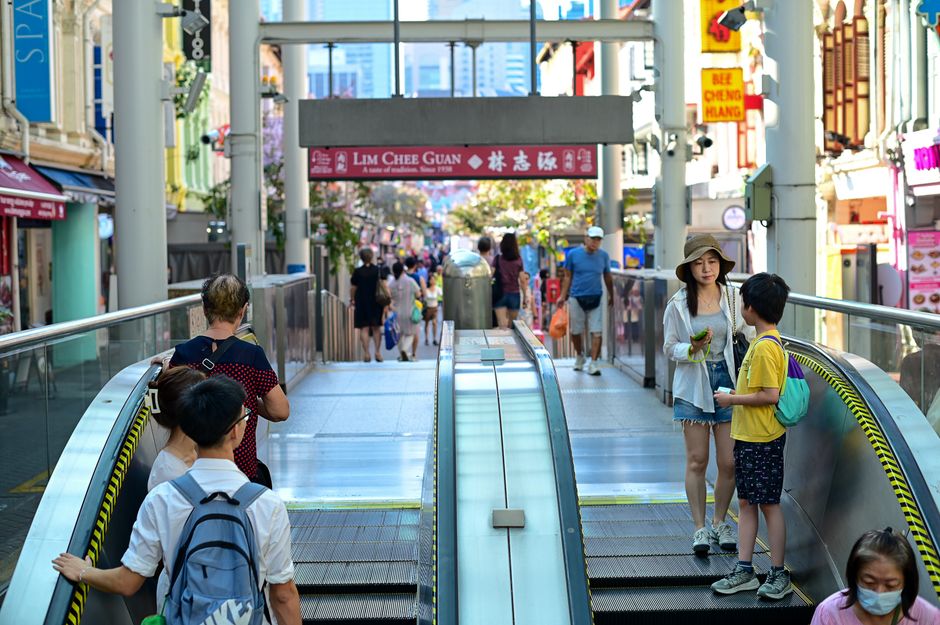
The biggest mistake is treating Chinatown as a backdrop instead of a living neighbourhood. A respectful, early visit gives you more access, better photographs, and a stronger understanding of the district.
Should you visit only during the evening light-up?
No. Evening decorations are attractive, but crowds can make the narrow streets slow and noisy. The morning is better for temples, museum visits, and architectural details. Choose the evening only when the lights or scheduled performances are your main reason for going.
Can you photograph inside every temple?
No. Some areas restrict photography, flash, tripods, or filming. Ask before taking close photographs of worshippers, ceremonies, offerings, or clergy. A temple is an active religious space, not a staged attraction, and the same rule applies to mosques and other places of worship.
What should you do if a shop or attraction is closed?
Do not rebuild the entire day around one closed door. Move to the next district: Telok Ayer offers a strong alternative with Thian Hock Keng Temple, historic mosques, and conserved commercial buildings. Festival schedules, private ceremonies, maintenance, and family business hours can change quickly.
What is the final recommendation?
Book the Chinatown Heritage Centre for a morning timeslot, begin at Sri Mariamman Temple, walk through Pagoda and South Bridge streets, stop for hawker food, and continue to Telok Ayer only if your energy remains high. For a first visit before Lunar New Year, that half-day route is the best balance of festive atmosphere, historical depth, and manageable crowds.