
You land in Yulara at noon, drop your bags, and think you have plenty of time for a sunset walk. That plan falls apart when you discover the park is closing earlier than expected, your first walk starts in near-freezing air, and Kings Canyon is still several hours away by road.
Winter is the best season for seeing Australia’s Red Centre on foot, but only if you build the trip around distance, daylight, and cold mornings. Uluru, Kata Tjuṯa, and Kings Canyon are not one compact attraction. They are separate landscapes with separate entry requirements, different walks, and a lot of red dirt between them.
How many days do you need for Uluru and Kings Canyon?
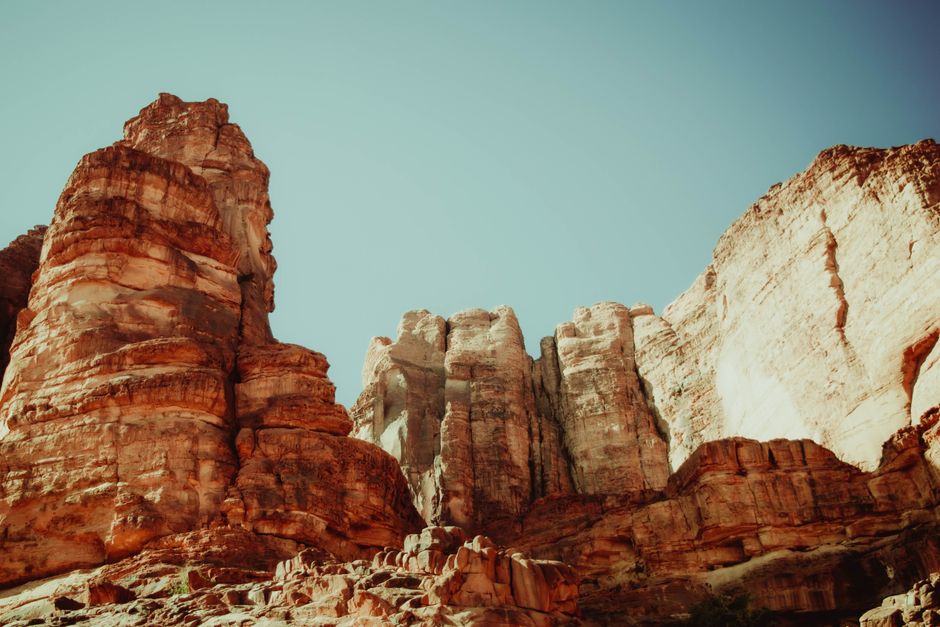
The practical answer is four nights
Three nights is possible, but it feels rushed. Four nights gives you enough time to see Uluru, walk at Kata Tjuṯa, drive to Watarrka, complete the Kings Canyon Rim Walk, and keep one useful buffer for weather, road delays, or a slow morning.
| Day | Base | Main plan | Realistic walking load |
|---|---|---|---|
| 1 | Yulara | Arrive, visit the Cultural Centre, watch sunset at an approved viewing area | Short cultural visit and viewpoint walk |
| 2 | Yulara | Uluṟu Base Walk or selected sections, then Mala or Kuniya area | Up to 10.6 km, around 3.5 hours |
| 3 | Kings Canyon area | Drive from Yulara via the sealed Lasseter and Luritja roads | Mostly driving; stop for fuel and food |
| 4 | Kings Canyon area | Kings Canyon Rim Walk, with a shorter alternative if needed | 6 km, around 3 to 4 hours |
| 5 | Yulara or onward route | Return drive, Alice Springs transfer, or departure | Choose a short walk only if time allows |
The direct road transfer from Yulara to Kings Canyon is roughly 300 kilometres and takes more than three hours before stops. Allow a full travel block. A sunrise walk at Uluṟu followed by a late-morning departure can work, but only if you have packed, refuelled, and accepted that you will reach Kings Canyon later in the day.
Choose the route before choosing the accommodation
The simplest plan is to sleep in Yulara for the Uluṟu and Kata Tjuṯa days, then move to accommodation near Kings Canyon for the Rim Walk. Camping inside the national parks is not the plan; use the established accommodation areas outside the park boundaries.
The sealed route is the sensible choice for most visitors. The Mereenie Loop can create a more adventurous route through the West MacDonnell region, but it needs the correct permit, road-condition checks, and a vehicle suitable for the conditions. Do not select it because a map makes it look shorter. Remote roads punish casual planning.
What should you do at Uluṟu and Kata Tjuṯa?
Start with culture, then choose your walk
Visit the Uluṟu-Kata Tjuṯa Cultural Centre early in your stay. That is not a box-ticking exercise. It gives you context for the place, explains Aṉangu connections to Country, and makes the walks more meaningful. The park is not a rock photo stop. It is living cultural land with rules about photography, access, and respectful behaviour.
At Uluṟu, make the Mala Walk your first focused experience if it is operating. The ranger-guided walk normally runs at 10 a.m. from May to September and takes about one and a half to two hours. The route reaches important cultural sites around the base and gives you information that a self-guided lap cannot provide.
- Best full walk: Uluṟu Base Walk, 10.6 kilometres and about three and a half hours. Choose it when your legs, daylight, and water supply are ready.
- Best shorter option: Kuniya Walk to Muṯitjulu Waterhole, about one kilometre return and roughly 30 to 45 minutes.
- Best accessible cultural option: Mala Walk, about two kilometres return, with caves, rock shelters, and ranger interpretation.
- Best sunrise view: Talinguṟu Nyakunytjaku, where you can see Uluṟu and the surrounding desert from a designated viewing area.
Give Kata Tjuṯa enough time
Kata Tjuṯa is not a quick add-on after Uluṟu. The formations sit about 50 kilometres from Yulara, and the walks feel rougher and more exposed. Waḻpa Gorge is about 2.6 kilometres return and takes around an hour. It is the better choice for a short visit or a day when you already have a long drive.
The Valley of the Winds circuit is the stronger winter choice for fit walkers. It has uneven, rocky ground, steep sections, and limited shelter, but winter gives you the best chance to enjoy the complete route without heat forcing an early retreat. Stop at the signed viewpoints. Respect no-photography areas and stay on the marked track.
The clear verdict: spend one full day around Uluṟu and one substantial morning or afternoon at Kata Tjuṯa. Trying to squeeze every walk into one day produces a checklist, not a good Red Centre experience.
Why Kings Canyon deserves a full day
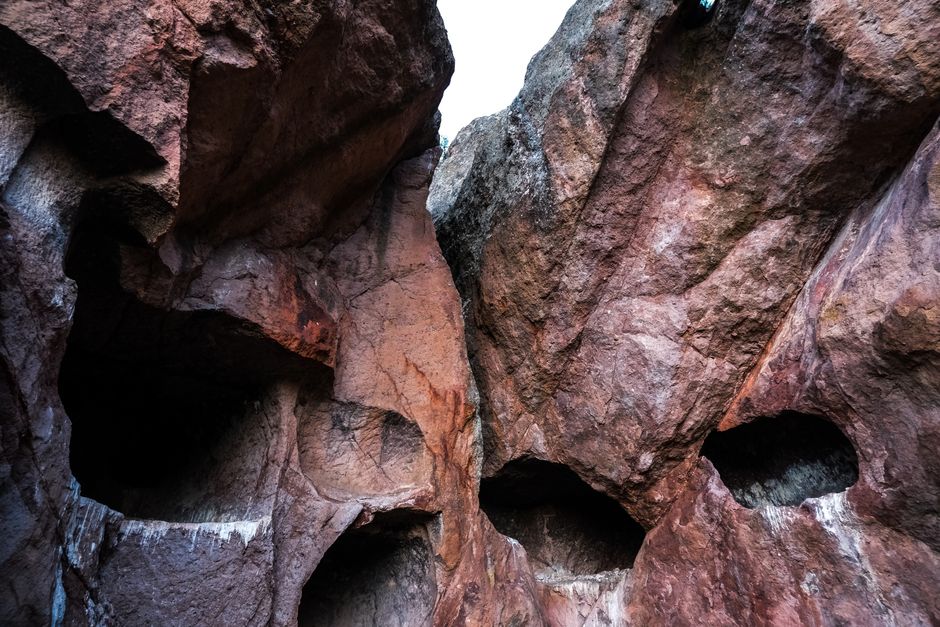
The Rim Walk is the main event
Do the Kings Canyon Rim Walk if you are fit enough for the opening climb. The trail is a 6-kilometre loop, graded moderate to difficult, and normally takes three to four hours. It begins with a steep ascent, continues around the canyon rim, and descends after passing the sandstone domes, cliff views, and Garden of Eden.
The walk must be taken clockwise. Follow the blue arrows and stay on the stairs, boardwalks, and marked path. The first climb is the test. Once you reach the rim, the route becomes a sequence of exposed viewpoints and uneven rock rather than one continuous uphill push.
Winter is the right season for this walk because you can start in cold air and warm up naturally. Even then, carry enough water for the entire route. There is no drinking water on the Rim Walk. Bring food too; turning around halfway through because you skipped breakfast is avoidable and foolish.
Use the shorter walks without pretending they are the same
The South Wall Return Walk covers about 4.8 kilometres and takes around two hours. It still includes a steep climb and delivers strong canyon views, but it does not connect to the Garden of Eden or the full rim circuit. Choose it when the Rim Walk exceeds your fitness, time, or confidence.
Kings Creek Walk is about 2.6 kilometres return and takes roughly one hour. It is an easier valley-floor option for families or visitors who should not tackle the rim. Kathleen Springs is a 2.4-kilometre return walk on a sealed track and takes about one and a half hours. It is useful for limited mobility, but it is a different experience from seeing the canyon from above.
Winter removes the main heat restriction, but park rules still matter. In hotter months, the Rim Walk may require an early start when the forecast reaches 36 degrees Celsius. Check the daily status anyway. Road conditions, storms, track work, and park operations can override a printed itinerary.
What can go wrong on a Red Centre winter trip?
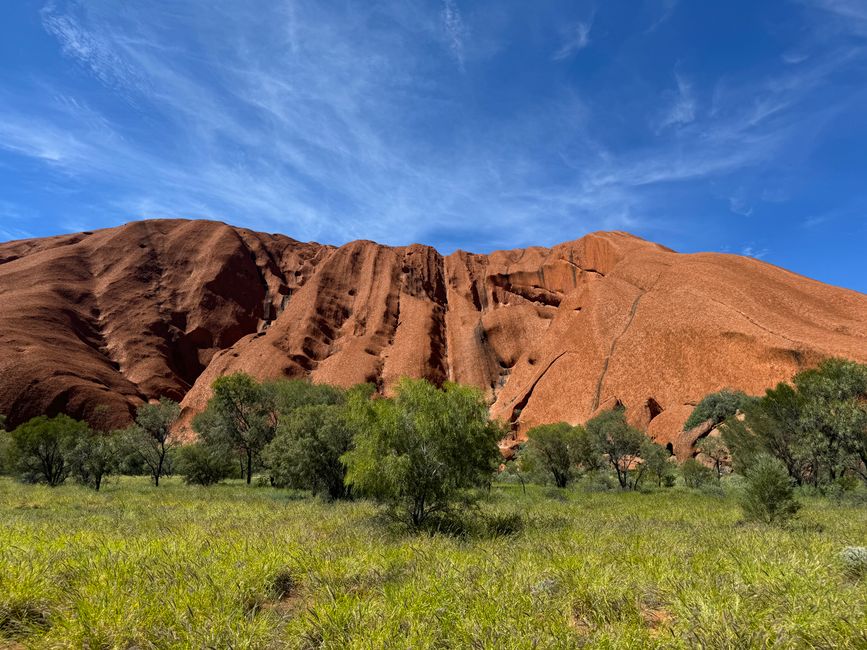
What should you pack for the cold?
Pack for two climates in one day. Bring a warm layer for sunrise, breathable walking clothes for the afternoon, a windproof outer layer, a hat, sunscreen, sunglasses, a refillable water container, snacks, and shoes with firm soles. Thin gloves are useful on early starts. So is a headlamp if you are walking near the edge of opening hours, though you must remain within the permitted park times.
Do not pack only summer clothing because the destination is a desert. That mistake is common. Clear skies allow the ground to lose heat quickly overnight, which is why a winter morning can feel close to freezing even when the afternoon forecast looks pleasant.
Which mistakes should you avoid?
- Underestimating distance: Uluṟu, Kata Tjuṯa, and Kings Canyon are separate stops. Put drive time into the itinerary before adding another walk.
- Starting too late: In June and July, the published Uluṟu-Kata Tjuṯa park hours are about 6:30 a.m. to 7:30 p.m. Arrive early enough to walk without racing the closing time.
- Skipping entry checks: Uluṟu-Kata Tjuṯa and Watarrka have different park-entry arrangements. Organise the relevant passes before you reach the gate.
- Ignoring cultural rules: Do not photograph restricted sites, climb closed formations, leave the marked track, or treat sacred places as a backdrop for stunts.
- Choosing the wrong road: The sealed route is the straightforward option between Yulara and Kings Canyon. The Mereenie Loop needs a permit and careful condition checks.
- Assuming winter removes all danger: Sun exposure, dehydration, uneven rock, cliff edges, and remote-road breakdowns remain real problems.
Is winter the right choice for everyone?
Winter is the best choice for walkers, photographers, families who dislike extreme heat, and travellers who want to spend several hours outside each day. It is less appealing if you hate cold mornings, have only one rushed night, or plan to drive long distances after dark. The Red Centre rewards patience and daylight. It punishes a schedule built around airport arrival times and optimistic map estimates.
For most visitors, the winning plan is four nights: two around Yulara, one near Kings Canyon, and one flexible night for the return route or a second Uluṟu experience. Plan the walks first, then fit the drives and accommodation around them.
The single most important takeaway is simple: winter makes Uluru and Kings Canyon easier to walk, but only a spacious itinerary lets you experience both without rushing the land or yourself.