
You land in Ulaanbaatar on July 10, tired from the flight and ready for the national festival. The hotel confirms your room, but the road company moves your steppe departure because Naadam traffic has tightened, and the forecast shows a warm afternoon followed by a cold, wet night in a ger camp. That is the real planning problem: Mongolia in July offers its best access to the steppe and its biggest public celebration, but the two experiences need different schedules, clothing, transport, and risk checks.
Is July the right month for Mongolia?
Yes, July is the strongest month for a first Mongolia trip if your priority is Naadam, green pasture, and usable road conditions. It is also the busiest and least forgiving month for last-minute planning. Ulaanbaatar averages daytime highs near 24°C and nighttime lows near 11°C in July, while rain can arrive as a short, heavy storm rather than a steady drizzle. The steppe may feel hot in direct sun and cold after sunset on the same day.
July conditions at a glance
| Planning factor | Typical July pattern | Practical decision |
|---|---|---|
| Ulaanbaatar daytime | About 24°C | Light layers and sun protection |
| Ulaanbaatar nighttime | About 11°C | Warm layer for evenings |
| Rainfall | About 71 mm in Ulaanbaatar | Pack a waterproof shell and protect luggage |
| National Naadam | Usually centered on July 11–13 | Reserve city nights and transport early |
| Rural connectivity | Patchy or absent outside towns | Carry offline maps and an emergency plan |
The weather figures are averages, not promises. A sunny forecast does not remove the need for rain protection, and a warm city forecast says little about an exposed campsite beside a river or in the Gobi. Check the final forecast by region, not just “Mongolia.” The July climate averages are useful for packing, while the current travel guidance is more useful for emergency planning.
What does Naadam actually look like?
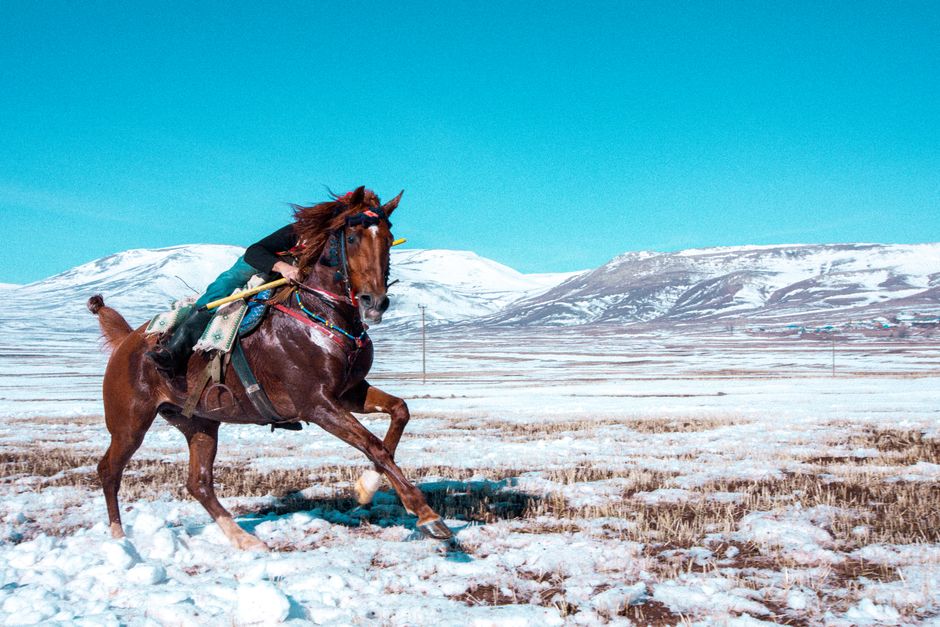
Naadam is not a single ticketed show that fills one afternoon. It is a national holiday built around wrestling, archery, and horse racing, with ceremonies, concerts, local celebrations, food stalls, traffic restrictions, and family gatherings spreading across several days. The Ulaanbaatar program gives visitors the most visible national stage, but smaller provincial and soum celebrations can feel more local and less polished. They also demand more transport planning and language support.
July 10: arrive before the main pressure
Use July 10 as a buffer day. The city may already have parades, cultural performances, and crowded public spaces. Pick up cash, confirm your accommodation, download maps, and ask your driver exactly where the horse-racing venue drop-off point will be. Do not assume a taxi can deliver you to the gate during a major event. A hotel within walking distance of central Ulaanbaatar is worth more on these dates than a cheaper room far outside the core.
July 11: watch the ceremony and wrestling
The opening ceremony is the most formal part of the national celebration. Expect large crowds, traditional dress, music, and a strong emphasis on national history. Wrestling is easier to follow than the horse races because it takes place in a defined arena. Arrive early, keep your passport and phone in a zipped inner pocket, and agree on a meeting point before entering a crowded area. Major festivals raise pickpocketing risk even when the destination itself feels safe.
July 12–13: choose depth over checklist travel
Horse racing takes place outside the dense center and can require a separate transfer. The riders may be children, and the races cover open ground rather than a compact track. Archery and additional wrestling rounds may continue while the city celebrates. The official program can change, so confirm times through the published Naadam schedule before setting a fixed meeting or airport transfer. My clear recommendation is to protect three city nights around Naadam and treat any rural excursion during the festival as optional, not essential.
Do not judge the festival only by how easy it is for a foreign visitor to photograph. Ask before taking close portraits, keep clear of competitors and horses, and watch the event rather than trying to reproduce every image online. The most valuable part of Naadam is the social scale: a national holiday that links the city, local communities, sport, music, and the steppe.
How should you build a July steppe itinerary?
Start with the festival dates, then build outward. Mongolia rewards open space, but its size punishes ambitious routing. A road that looks short on a map can become a full day because of dirt tracks, river crossings, livestock, construction, or a driver’s required rest.
A reliable sequence for seven to ten days
- Days 1–3: Ulaanbaatar and Naadam. Arrive before the festival, recover from jet lag, attend the main events, and leave one flexible half-day for traffic or weather.
- Days 4–5: nearby steppe. Choose Terelj National Park, Hustai National Park, or another destination within practical reach of the capital. This gives you open landscapes without spending two days crossing the country.
- Days 6–8: one deep rural route. Pick one direction, such as the central steppe or a Gobi segment. Do not combine western Mongolia, Lake Khövsgöl, and the Gobi in a short trip.
- Days 9–10: return and reserve. Keep the final night near Ulaanbaatar before an international departure. A road delay should not turn into a missed flight.
The correct route depends on your available days, but the verdict is firm: one regional loop beats three disconnected highlights. Terelj is the easiest choice for a short first visit. Hustai is the stronger choice for wildlife and a quieter landscape. A Gobi trip earns its travel time only when you can give it several days and accept long transfers.
The failure modes that cost travelers most
- Booking a flight home on the same day as a long rural transfer.
- Assuming mobile data will work in every valley or beside every ger camp.
- Using a city taxi for an unmarked rural road.
- Scheduling a horse ride immediately after an overnight flight.
- Leaving no weather or vehicle-repair buffer.
Ask the driver or tour operator for daily driving hours, road conditions, fuel stops, sleeping arrangements, and the evacuation plan before paying a deposit. A low price that hides ten-hour road days is not a bargain for most first-time visitors.
What should you pack for Mongolia’s summer steppe?
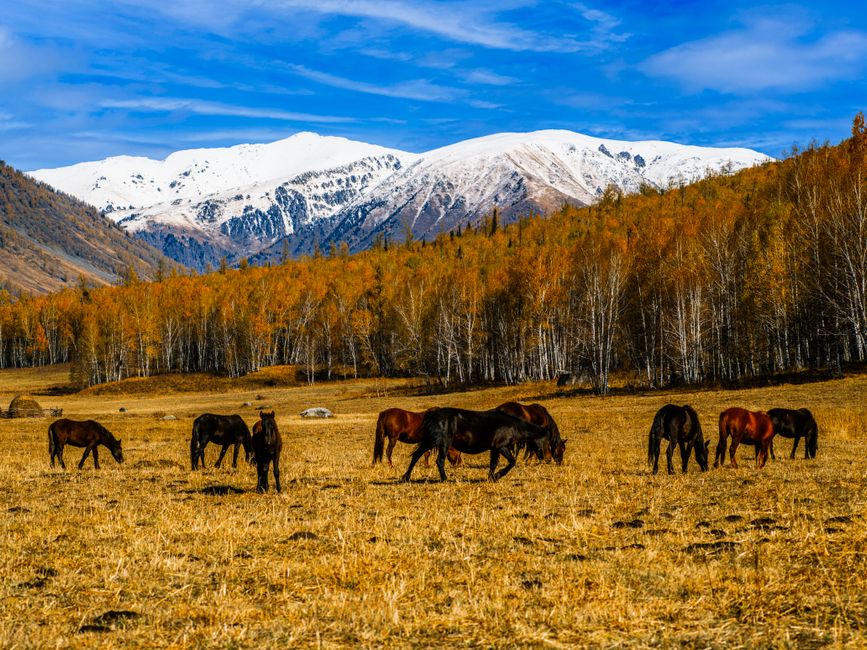
Pack for four seasons in one day, not for the average temperature. Your basic system should be a breathable shirt, an insulating mid-layer, a waterproof shell, trousers that dry quickly, broken-in shoes, sunglasses, sunscreen, a hat, and a small dry bag. Ger camps can be comfortable, but they do not remove wind, dust, insects, uneven ground, or cold mornings.
The most useful gear choices
These are examples, not required purchases. A cheaper dry bag, paper map, and locally rented equipment can work just as well.
When not to buy specialist gear
Do not buy a satellite communicator solely because the trip sounds adventurous if you are staying in Ulaanbaatar, Terelj, and other areas with reliable group support. Do not buy heavy mountaineering boots for ordinary summer roads; they add weight and can be uncomfortable in warm weather. A phone power bank, spare charging cable, offline maps, and a waterproof layer solve more common problems than expensive expedition equipment.
Pack medication in original packaging, carry a small first-aid kit, and bring enough personal medication for delays. Ask your operator how drinking water is handled. In rural areas, services vary sharply between camps, and card payments may not work. The best packing choice is the one you can carry without help while moving between a vehicle, a ger, and a muddy roadside stop.
Which questions decide if Mongolia in July fits?
Is Mongolia in July too crowded?
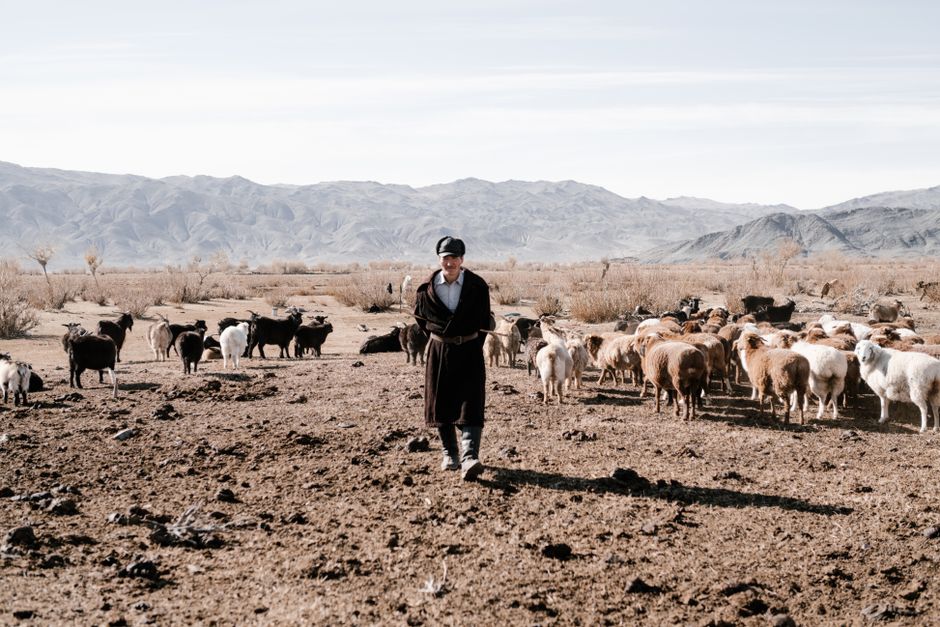
Ulaanbaatar is busiest around Naadam, but the steppe remains spacious. Crowds are concentrated around stadiums, transport links, popular camps, and major city events. If you dislike crowds, attend one main festival day and leave for a nearby park afterward. If you want the most complete cultural experience, stay through the opening and horse-racing programs and accept slower movement.
Can I travel independently?
You can manage Ulaanbaatar independently, but rural travel requires more planning than a normal city break. Roads may be unmarked, connectivity can disappear, and emergency response times grow with distance. A trusted local driver or small group is the stronger choice for a first steppe trip, especially if you plan to ride horses or travel beyond the main tourist corridors.
Should I skip Naadam and focus only on nature?
Skip the festival if your priority is solitude, flexible pricing, or a long western route. Choose Naadam if you want to see Mongolia’s national culture at its most public and concentrated. The most balanced plan gives the city three nights, one nearby park, one longer rural loop, and a final buffer night before departure.
For Mongolia in July, reserve the Naadam window first, then build one realistic steppe route around it with weather, road delays, and evacuation limits in view.